
Gutter Cleaning North York

The Ultimate Guide to Gutter Cleaning Frequency in North York, ON  

The Ultimate Guide to Gutter Cleaning Frequency in North York, ON

Why Regular Gutter Cleaning Matters in North York, ON

Understanding the importance of gutter cleaning is fundamental to protecting your North York home from preventable damage. Your gutter system represents a sophisticated water management infrastructure designed to channel thousands of gallons of rainwater and snowmelt away from your property’s most vulnerable areas. When functioning properly, gutters prevent soil erosion around your foundation, protect basement walls from moisture infiltration, preserve your landscaping investments, and maintain the structural integrity of your roof and fascia boards.

North York’s geographical location and climate create specific challenges that affect gutter cleaning frequency North York residents must address. The area experiences considerable precipitation throughout the year, with spring bringing heavy rains and fall delivering substantial leaf accumulation from the region’s abundant deciduous trees. Winter introduces the added complication of freeze-thaw cycles that can trap debris in ice, creating blockages that persist until spring thaw. These unique weather considerations make proactive gutter maintenance essential rather than optional. Failing to maintain clean gutters can result in foundation settling, cracked walls, mold growth inside your home, and damage to fascia boards that requires expensive carpentry work—all preventable through regular attention to your gutter system.

Recommended Gutter Cleaning Schedule for North York Homeowners

Determining how often to clean gutters North York properties require depends on multiple factors, but the baseline recommendation starts at twice annually. This standard gutter maintenance schedule typically involves one thorough cleaning in spring (late April to mid-May) and another in fall (late October to mid-November). These timings align with North York’s seasonal patterns, addressing the aftermath of winter and preparing for the challenges of the cold season ahead.

However, your individual circumstances may demand adjustments to this general guideline. Homes surrounded by mature trees—particularly those with species that shed heavily like maples, oaks, willows, and evergreens—often require quarterly attention. If your property sits in a heavily wooded neighborhood or near a ravine with significant vegetation, plan for three to four annual cleanings. Conversely, newer developments with minimal tree coverage and modern gutter guard systems may adequately maintain with annual professional inspections and bi-annual cleanings. Consider also your roof type: asphalt shingles shed granules that accumulate in gutters, while metal roofs typically contribute less debris. Single-story ranch homes present easier DIY opportunities, while two or three-story properties benefit from professional services that can safely access all levels.

Seasonal Considerations Affecting Gutter Cleaning

Spring cleaning becomes paramount for seasonal gutter cleaning North York homeowners schedule because winter leaves behind a challenging mixture of organic debris, ice damage, and roof material deterioration. As temperatures warm and snow melts, you’ll discover months of accumulated twigs, seed pods, and decomposing leaves that have compressed into dense blockages. Spring also brings nesting season, when birds may build homes in clogged gutters, adding another layer of debris and potential downspout obstructions. Conducting thorough spring maintenance ensures that the frequent rainfall typical of April and May can flow unimpeded through your drainage system.

Fall presents the most critical window for gutter maintenance in North York. As deciduous trees shed their leaves, gutters can fill completely within days during peak drop periods. Fall gutter cleaning tips emphasize waiting until most leaves have fallen while completing the work before the first hard freeze. In North York, this sweet spot typically occurs between mid-October and late November, depending on the specific weather patterns of that year. Many experienced homeowners perform an initial gutter cleaning in early October to remove the first wave of fallen leaves, followed by a final comprehensive cleaning in November to capture late-falling foliage and prepare the system for winter. This two-phase fall approach prevents the heavy leaf load from overwhelming gutters and ensures optimal performance heading into the challenging winter months.

Signs You Need to Clean Your Gutters Sooner

Between scheduled maintenance, remain vigilant for gutter cleaning signs that indicate immediate attention is necessary. The most obvious indicator is water overflowing from gutter edges during rainfall—if water cascades over the sides instead of exiting through downspouts, you have a blockage requiring prompt clearing. Dark vertical streaks on your home’s exterior siding signal that water is escaping the gutter channel and running down your walls, potentially causing paint damage, wood rot, and moisture intrusion.

Physical changes to the gutter structure itself provide important warnings. When to clean gutters early becomes obvious if you notice gutters sagging, pulling away from the fascia, or developing visible gaps at the seams—these symptoms indicate the weight of accumulated debris and trapped water exceeds the system’s capacity. Ground-level observations matter too: pools of water forming near your foundation after rain, eroded soil beneath gutter lines, or settling mulch beds all suggest that water isn’t being directed away from your home properly. Inside your home, watch for basement dampness, musty odors, or water stains on foundation walls. These interior symptoms often trace back to exterior drainage failures. Additionally, if you notice mosquitoes congregating near your roofline, wasps building nests under eaves, or squirrels taking interest in your gutters, these pests are attracted to the standing water and debris that accumulates in neglected systems.

Benefits of Hiring Professional Gutter Cleaning Services in North York

Investing in professional gutter cleaning North York services delivers value that extends beyond simple debris removal. The primary advantage is safety—falls from ladders rank among the most common serious home injuries, and working at roof height presents significant risks even for experienced individuals. Professional technicians carry comprehensive liability insurance and workers’ compensation coverage, protecting you from financial responsibility if accidents occur. They utilize commercial-grade ladders, safety harnesses, and specialized equipment designed for efficient, secure gutter access.

Beyond safety, professionals bring expertise that enhances the service quality. They don’t simply scoop out visible debris; they flush entire systems, test water flow rates, inspect for damage, identify proper gutter pitch, check fastener security, and alert you to problems before they become emergencies. Many gutter cleaning services near me offer additional value through bundled services like minor repairs, gutter guard installation, and seasonal maintenance contracts that provide regular care at discounted rates. Local North York providers understand regional challenges—they know which tree species cause the most problems, recognize weather patterns that accelerate debris accumulation, and can recommend solutions specific to your neighborhood’s conditions. The efficiency professionals bring also matters: a job requiring an entire weekend of your time can be completed in two to three hours by a trained team, freeing your schedule while ensuring superior results.

DIY Gutter Cleaning Tips and Safety Precautions

For homeowners tackling how to clean gutters safely themselves, preparation and proper technique make the difference between successful maintenance and dangerous situations. Ladder safety cannot be overemphasized—choose an extension ladder tall enough that you don’t need to stand on the top three rungs, and ensure it’s rated for your weight plus tools. Position the ladder on firm, level ground, and use ladder stabilizers or standoffs that rest against the wall rather than the gutters themselves. Move the ladder frequently rather than overreaching, which causes most ladder accidents.

Effective DIY gutter cleaning North York homeowners perform requires specific tools and supplies. Invest in thick, waterproof work gloves that protect against sharp metal edges, decomposing organic matter bacteria, and potential wasp encounters. Use a plastic gutter scoop or small garden trowel to remove debris—metal tools can damage gutter liners. Keep a bucket with a wire handle to hang from your ladder, or spread a tarp below to collect debris for easier cleanup. After removing solid material, flush gutters with a garden hose, working toward downspouts to push fine particles through the system. If downspouts are clogged, tap them gently with a rubber mallet or use a plumber’s snake to clear obstructions. Never use pressure washers from ladders—the force can cause dangerous instability. Recognize situations that demand professional help: homes over one story, roofs with steep pitches, properties with complex rooflines or hard-to-reach areas, and any scenario where you feel uncomfortable or uncertain about safety.

Preventative Measures to Reduce Gutter Cleaning Frequency

Strategic preventative measures can dramatically reduce gutter cleaning frequency while maintaining system effectiveness. Gutter guards North York professionals install come in various configurations, each with specific advantages. Mesh screens prevent large debris while allowing water through, foam inserts block debris while absorbing and channeling water, and reverse-curve systems use surface tension to guide water into gutters while shedding leaves. While no system eliminates maintenance entirely—fine debris, roof granules, and pollen still accumulate—quality gutter guards can extend cleaning intervals from twice yearly to annually or even every 18 months for many properties.

Regular visual inspections complement physical gutter cleaning by catching problems early. Walk your property’s perimeter after significant rainstorms, observing how water flows through gutters and whether any sections drip, overflow, or pool. Binoculars allow safe inspection from ground level, letting you spot potential issues without climbing. Tree management significantly impacts debris accumulation—trim branches that overhang your roofline by at least three feet, which reduces the volume of leaves and twigs falling directly into gutters and minimizes the risk of storm damage. Keep your roof clean and well-maintained; missing shingles and accumulated roof debris wash into gutters during rain. Install downspout extensions or splash blocks to carry water at least five to six feet from your foundation, protecting your home’s base while ensuring your gutter system serves its intended purpose effectively.

Frequently Asked Questions

How often should gutters be cleaned in North York ON?

Most North York properties require gutter cleaning at least twice per year—spring and fall. However, homes with significant surrounding trees may need quarterly cleanings, while properties with minimal vegetation and gutter guards might manage with annual professional maintenance.

What happens if gutters aren’t cleaned regularly?

Failing to maintain gutters leads to water damage throughout your home, including foundation cracks, basement flooding, roof damage, rotting fascia and soffit boards, ice dam formation in winter, pest infestations, and landscape erosion. Repair costs often reach thousands of dollars—far exceeding preventative maintenance expenses.

Can gutter cleaning be done safely by homeowners?

Homeowners with single-story properties, stable ladders, physical capability, and comfort working at heights can safely clean their own gutters using proper safety precautions. Multi-story homes, steep roofs, or any situation causing safety concerns should be handled by insured professionals.

Are gutter guards worth the investment?

Gutter guards provide excellent return on investment for most homeowners by reducing cleaning frequency, preventing severe blockages, and protecting gutters from damage. While they don’t eliminate maintenance, they significantly reduce the time, cost, and frequency of required cleaning.

How to find reliable gutter cleaning services in North York?

Select providers with established local presence, verified customer testimonials, comprehensive insurance coverage, and transparent pricing structures. Confirm they perform thorough inspections alongside cleaning, understand North York’s climate challenges, and offer guarantees on their work.

Conclusion and Call to Action

Protecting your North York home from water damage starts with understanding and implementing proper gutter maintenance schedules. By adhering to the recommended twice-yearly cleaning routine, staying alert to warning signs requiring earlier intervention, and incorporating preventative measures such as gutter guards and strategic tree trimming, you safeguard your property’s structural integrity while avoiding costly repairs.

Whether you embrace DIY maintenance for accessible single-story areas or partner with professional gutter cleaning services for comprehensive care, consistency remains crucial. Proactive gutter maintenance costs a fraction of what you’ll spend repairing water damage to foundations, basements, or roofing systems. Take action today by scheduling your next gutter cleaning North York service—contact a trusted local provider or block off a weekend for DIY attention. Your home deserves the protection that properly maintained gutters provide, especially given North York’s demanding seasonal weather patterns. Don’t wait for visible problems to develop; establish your maintenance routine now and enjoy the peace of mind that comes with knowing your home is protected against water damage year-round.

Gutter Cleaning Myrtle Beach

Professional Gutter Cleaning Worth It? Your Complete Myrtle Beach Guide  

Professional Gutter Cleaning Worth It? Your Complete Myrtle Beach Guide

Why Gutters Matter in Myrtle Beach, SC

Your home’s gutter system might not be the most glamorous feature, but in Myrtle Beach, it’s one of the most critical components protecting your property investment. The coastal Carolina climate brings unique challenges—torrential summer thunderstorms, tropical systems during hurricane season, and year-round humidity that creates perfect conditions for vegetation growth and debris accumulation.

The importance of gutters in Myrtle Beach extends beyond simple rain management. These unassuming channels collect and redirect massive volumes of water away from your home’s vulnerable points. A typical roof can shed over 600 gallons of water during just one inch of rainfall. Without functioning gutters, this water attacks your home from multiple angles—saturating foundations, eroding landscaping, damaging siding, and creating the perfect environment for mold and structural decay.

Home protection gutters SC residents depend on becomes even more crucial when you consider local conditions. Myrtle Beach receives nearly 55 inches of annual rainfall, concentrated heavily during summer months and hurricane season. Sandy soil provides poor drainage, meaning water that isn’t properly channeled away from your foundation can cause significant problems quickly. Investing in proper gutter maintenance isn’t optional—it’s essential for preserving your home’s structural integrity and value.

What Is Professional Gutter Cleaning?

Many homeowners mistakenly believe gutter cleaning simply means removing visible leaves and calling it done. True professional gutter cleaning encompasses a systematic, thorough approach that addresses every aspect of your drainage system’s health and functionality.

When you hire a reputable professional gutter cleaning service Myrtle Beach offers, the process begins with a comprehensive assessment. Trained technicians inspect your entire gutter system, noting problem areas, drainage patterns, and potential issues before beginning work. The actual cleaning involves removing all debris—not just leaves, but also shingle granules that wash down from roofs, pine needles, seed pods, and the thick mud-like sediment that forms from decomposing organic matter.

Professionals pay special attention to downspouts, using specialized tools and techniques to clear blockages that homeowners often miss. They flush the system with water to verify proper flow and identify leaks. Many services also check gutter mounting brackets, assess proper pitch for drainage, and identify areas where gutters may be pulling away from fascia boards. This comprehensive approach ensures your system functions optimally, not just looks clean from the ground.

Benefits of Professional Gutter Cleaning

Preventing Water Damage

Water damage represents one of the costliest repairs homeowners face, and clogged gutters are often the culprit. When gutters overflow, water doesn’t simply disappear—it infiltrates your home through multiple pathways, causing damage that compounds over time.

Roof structures suffer first. Overflowing gutters allow water to back up under shingles, saturating roof decking and creating conditions for rot, mold, and eventually structural failure. Water running down exterior walls penetrates siding joints, damaging insulation and interior walls. Perhaps most concerning, water that cascades over gutters pools around your foundation, creating hydrostatic pressure that forces moisture through basement walls and causes cracks in the foundation itself.

In Myrtle Beach’s sandy soil, foundation settlement from poor water management happens faster than in areas with clay soil. Professional services that prevent water damage through gutters protect your home’s most expensive and critical structural elements. The few hundred dollars spent on professional cleaning pales compared to foundation repair costs that easily reach $10,000 or more.

Extending Gutter Lifespan

Quality gutter systems represent a substantial investment—aluminum gutters cost $4-$9 per linear foot installed, while copper systems can exceed $25 per linear foot. Protecting this investment through proper maintenance makes financial sense.

Debris-filled gutters deteriorate rapidly. The weight of wet leaves and sediment stresses mounting systems, causing gutters to sag and pull away from the house. Standing water accelerates corrosion, particularly in aluminum and steel gutters. Organic matter creates acidic conditions that eat through protective coatings and the metal itself.

Regular professional maintenance helps extend gutter lifespan significantly. Clean, properly functioning gutters can last 20-30 years with appropriate care, while neglected systems often fail within 10-15 years. Professional cleaners also spot minor issues—loose brackets, small leaks, or beginning corrosion—allowing for inexpensive repairs before complete replacement becomes necessary.

Avoiding Pest Infestations

Clogged gutters create a five-star resort for pests you definitely don’t want near your home. The combination of standing water, decomposing vegetation, and sheltered space attracts a variety of problematic creatures year-round in Myrtle Beach’s temperate climate.

Mosquitoes breed prolifically in the stagnant water trapped in clogged gutters, creating health risks and outdoor nuisances. Termites, a major concern throughout coastal Carolina, are attracted to the damp wood debris and often find pathways into your home’s structure from gutter areas. Carpenter ants similarly seek the moisture-damaged wood that results from overflowing gutters.

Birds, squirrels, and even raccoons view clogged gutters as ideal nesting locations. These nests create additional blockages while potentially providing pests with access points into your attic. The pest prevention gutters maintained by professionals provide eliminates these attractants, keeping your home’s envelope secure and your yard more enjoyable.

Saving Time and Hassle

Let’s be honest—gutter cleaning ranks near the bottom of enjoyable weekend activities. It’s dirty, physically demanding, potentially dangerous, and time-consuming. Most homeowners spend half a day or more cleaning gutters, assuming they have the necessary equipment and don’t encounter complications requiring multiple trips up and down ladders.

The professional vs DIY gutter cleaning calculation extends beyond simple time savings. You need appropriate ladder height and stability, safety gear, tools for debris removal and downspout clearing, and a method for disposing of wet, decomposing organic matter. One slip or misstep can result in serious injury requiring expensive medical treatment and time off work.

Professional services handle everything—they bring commercial-grade equipment, work efficiently with trained teams, complete the job in a fraction of the time you would require, and handle all cleanup and disposal. You avoid physical risk, save your weekend, and gain peace of mind knowing the job is done thoroughly by experienced professionals.

Costs of Professional Gutter Cleaning in Myrtle Beach, SC

Understanding gutter cleaning cost Myrtle Beach providers charge helps you budget appropriately and evaluate quotes effectively. Local market rates typically range from $199 to $319 for standard residential properties, positioning Myrtle Beach competitively within regional pricing structures.

Several variables influence where your specific property falls within this range. Square footage matters, but linear footage of gutters matters more—a compact two-story home might have more gutter length than a sprawling ranch. Height significantly impacts pricing; single-story homes require less equipment and involve lower risk than multi-story properties. Accessibility plays a role too—homes with landscape obstacles, steep roof pitches, or gutters difficult to reach with standard equipment incur additional charges.

Gutter condition affects gutter cleaning prices SC companies quote. Systems cleaned regularly require less time and effort than gutters neglected for years. Severely impacted downspouts that require disassembly to clear may incur additional fees. However, most reputable services provide comprehensive packages including all standard services—debris removal, gutter cleaning and flushing, downspout clearing, and basic inspection—in their base pricing.

When evaluating costs, consider the value proposition. Professional cleaning prevents damage costing thousands or tens of thousands to repair. It extends your gutter system’s functional life, delaying expensive replacement. The investment of $200-$300 twice yearly provides exceptional return on investment in home protection.

DIY Gutter Cleaning vs Professional Service

Risks of DIY Gutter Cleaning

The temptation to save money handling gutter cleaning yourself is understandable, but the risks often outweigh the financial benefits. Ladder-related accidents send over 160,000 Americans to emergency rooms annually, with gutter cleaning representing a significant portion of these incidents.

DIY gutter cleaning risks begin with falls—the leading cause of home-related fatalities. Homeowners frequently overreach rather than repositioning ladders, work alone without anyone to stabilize the ladder, or use inappropriate equipment like step ladders for reaching high gutters. Electrocution from contact with power lines near rooflines presents another serious hazard that many homeowners don’t consider until they’re already in danger.

Beyond physical safety, DIY cleaning often proves inadequate. Without proper tools and experience, homeowners typically remove surface debris while missing compacted material in downspouts and valleys. They may inadvertently damage gutters using inappropriate tools or techniques. Most significantly, untrained individuals miss early warning signs of gutter system problems—improper pitch, failing mounting brackets, or beginning corrosion—that professionals identify and address before they become expensive repairs.

Why Professionals Are Worth It

The case for why hire professional gutter cleaners extends far beyond simple convenience. Professional services bring specialized equipment designed specifically for safe, efficient gutter maintenance. Commercial-grade ladder stabilizers prevent gutter damage while providing secure working platforms. Safety harnesses, appropriate fall protection, and proper training minimize accident risk. Specialized tools—gutter scoops, high-pressure flushing equipment, and inspection cameras—enable thorough cleaning impossible with standard household tools.

Experience and expertise represent major value components of professional service. Trained technicians complete in an hour what takes homeowners all day, working safely and efficiently through practiced technique. They understand gutter system mechanics, identifying problems the average homeowner would never notice. Many companies guarantee their work, providing free return service if issues arise between scheduled cleanings.

Insurance protection offers another crucial benefit. Reputable companies carry liability insurance and workers’ compensation, protecting you from financial responsibility if accidents occur. When you’re on your own ladder, you’re self-insured against medical bills, lost wages, and potential permanent disability from falls.

How Often Should You Clean Gutters in Myrtle Beach?

Determining optimal gutter cleaning frequency Myrtle Beach homes require involves understanding local conditions and your specific property characteristics. The standard recommendation of twice-yearly cleaning—spring and fall—serves as a baseline, but many Myrtle Beach properties benefit from more frequent service.

Local factors influence cleaning schedules significantly. Properties with overhanging trees, particularly pine trees that drop needles continuously, accumulate debris faster than homes with clear rooflines. Coastal properties face salt spray that accelerates corrosion when combined with trapped organic matter. Neighborhoods with heavy vegetation may see gutters clog multiple times per season.

Hurricane season from June through November presents special considerations for how often to clean gutters SC homeowners should maintain. Starting the season with clean gutters ensures your system can handle tropical storm deluges. Post-storm inspections and cleaning prevent damage from accumulated debris that heavy rains wash into gutters.

A practical approach involves scheduled professional cleanings twice yearly with periodic self-inspections. After significant storms, check for overflow during rainfall or visible debris accumulation. If you notice water spilling over edges, plants growing in gutters, or sagging sections, schedule immediate professional cleaning regardless of your maintenance schedule.

Choosing the Right Gutter Cleaning Service in Myrtle Beach, SC

Finding the best gutter cleaning Myrtle Beach service requires evaluating multiple factors beyond simply price. Start with credentials—verify that companies carry proper liability insurance and workers’ compensation coverage. Request proof of insurance and confirm coverage directly with insurers if you’re hiring for expensive properties. Licensed gutter cleaners SC requires should provide business license information readily.

Experience in local conditions matters tremendously. Companies operating in Myrtle Beach for years understand specific challenges coastal properties face—salt air effects, local vegetation types, and soil conditions affecting drainage. They’ve developed efficient processes for common local home styles and roofing types.

Review analysis provides valuable insights into service quality. Check multiple platforms—Google Reviews, Better Business Bureau, Angie’s List, and NextDoor—looking for patterns in feedback. Pay attention to comments about thoroughness, professionalism, punctuality, and most importantly, how companies handle complaints or problems. A few negative reviews among hundreds of positive ones matter less than how the company responds to dissatisfied customers.

Service scope separates excellent providers from mediocre ones. The best companies offer comprehensive packages including complete debris removal, thorough downspout clearing, system flushing to verify proper flow, detailed inspection reporting, and minor adjustments to mounting brackets or pitch. Ask specifically what’s included and whether any common services incur additional charges.

Finally, request detailed written estimates from multiple providers. Compare not just pricing but scope of work, guarantees offered, and responsiveness during the estimate process. The cheapest option rarely provides the best value—focus on comprehensive professional gutter cleaning that protects your home investment for years to come.

Frequently Asked Questions About Gutter Cleaning in Myrtle Beach

Is professional gutter cleaning really necessary?

For most homeowners, professional gutter cleaning is absolutely necessary. While some single-story homes with minimal tree coverage might be candidates for careful DIY maintenance if you have proper equipment and physical ability, professional service offers compelling advantages. Safety risks alone justify professional service for most properties. Beyond safety, professionals provide thorough cleaning, expert inspection, and early problem identification that DIY efforts typically miss. The investment is minimal compared to repairing damage from neglected gutters.

How much does gutter cleaning cost in Myrtle Beach?

Professional gutter cleaning in Myrtle Beach typically ranges from $199 to $319 for average residential properties. Your specific cost depends on factors including home size, linear footage of gutters, property height and accessibility, and current gutter condition. This pricing includes comprehensive service—debris removal, downspout clearing, system flushing, and inspection. While prices vary among providers, this range represents fair market value for quality professional service in the local market.

What damages can clogged gutters cause?

Clogged gutters cause extensive damage throughout your home. Roof damage occurs when water backs up under shingles, rotting decking and causing leaks. Fascia boards and soffits deteriorate from constant moisture exposure. Exterior siding suffers water staining and structural damage. Foundation problems—the most expensive consequence—result from water pooling around your home’s base, causing cracks, settlement, and basement flooding. Additionally, clogged gutters attract pests, damage landscaping from erosion, and cause premature gutter system failure. Repair costs for these damages easily reach tens of thousands of dollars.

Can I clean gutters myself safely?

You can clean your own gutters if you’re physically capable, have proper equipment, and take appropriate safety precautions. However, ladder-related accidents cause over 160,000 emergency room visits annually. Single-story homes with easy access present less risk than multi-story homes or properties with accessibility challenges. You need commercial-grade ladders with stabilizers, appropriate safety equipment, and ideally someone to spot you. Many homeowners find professional service worth the cost for safety, efficiency, thoroughness, and the expert inspection that accompanies professional cleaning.

How often do gutters need cleaning here?

Myrtle Beach gutters require cleaning at least twice yearly as a baseline—typically late spring and late fall. However, local conditions often warrant more frequent service. Properties with overhanging trees, especially pines that drop needles year-round, benefit from quarterly cleaning. Coastal homes exposed to salt air should increase frequency to prevent accelerated corrosion. Hurricane season considerations may necessitate additional cleanings. Monitor your specific property—if you notice overflow during rain, visible debris accumulation, or plant growth in gutters, schedule cleaning immediately regardless of your regular maintenance schedule.

What services are included in professional gutter cleaning?

Comprehensive professional gutter cleaning includes several key services. Technicians remove all debris from gutters—leaves, pine needles, shingle granules, and sediment. They clear and flush downspouts to ensure unobstructed water flow. A thorough inspection identifies issues like improper pitch, loose mounting brackets, leaks, or areas where gutters are pulling away from the house. Most services include minor adjustments to mounting hardware and detailed reporting of any problems discovered. All removed debris is disposed of properly. Quality providers complete these services as part of their standard package, not as upcharges.

 
Pressure Washing Myrtle Beach

Myrtle Beach Driveway Pressure Washing Laws: What Homeowners Need to Know in 2025

Myrtle Beach Driveway Pressure Washing Laws: What Homeowners Need to Know in 2025

Understanding Pressure Washing Legality in Myrtle Beach, SC

As a homeowner in Myrtle Beach, South Carolina, maintaining your property’s curb appeal is likely high on your priority list. One of the most effective ways to revitalize your home’s exterior is through pressure washing—a cleaning method that uses high-pressure water jets to blast away accumulated dirt, algae, mildew, oil stains, and other unsightly substances from driveways, sidewalks, and building surfaces.

However, before you rent or purchase a pressure washer for that weekend DIY project, it’s essential to understand the pressure washing legality specific to Myrtle Beach. Unlike some maintenance tasks that are entirely at the property owner’s discretion, pressure washing activities are subject to Myrtle Beach pressure washing laws designed to protect the environment and public infrastructure.

The question “Is it legal to pressure wash my driveway?” doesn’t have a simple yes or no answer. The legality depends entirely on how you conduct the pressure washing activity, particularly regarding wastewater management and chemical use. Driveway cleaning regulations in Myrtle Beach focus primarily on preventing contaminated runoff from entering the stormwater system, which flows directly into local waterways and the Atlantic Ocean.

Understanding these regulations before you begin isn’t just about avoiding potential fines—it’s about being a responsible member of the Myrtle Beach community and protecting the coastal ecosystem that defines this region’s character and economy. This guide will provide you with comprehensive information about what’s allowed, what’s prohibited, and how to pressure wash your driveway while staying fully compliant with local laws.

Local Laws Governing Pressure Washing in Myrtle Beach, SC

The regulatory framework for pressure washing in Myrtle Beach stems from multiple sources, including federal environmental protection mandates, state regulations, and specific Myrtle Beach ordinances. Together, these create a comprehensive set of pressure washing regulations that all property owners must follow.

At the federal level, the Environmental Protection Agency (EPA) established the Clean Water Act, which prohibits the discharge of pollutants into waters of the United States. This federal law is implemented locally through the National Pollutant Discharge Elimination System (NPDES) permit program. Myrtle Beach, like all municipalities, must comply with NPDES requirements, which includes regulating stormwater discharges within city limits.

The City of Myrtle Beach has incorporated these federal requirements into its municipal code through waste water discharge laws that specifically address outdoor cleaning activities. These ordinances make it clear that property owners cannot discharge wastewater containing pollutants—including the dirt, oils, chemicals, and debris washed from driveways—directly into the storm drain system.

What makes Myrtle Beach’s situation particularly sensitive is its coastal location. Storm drains throughout the city lead directly to the ocean, marshes, and the Intracoastal Waterway without any treatment process. This means that whatever goes into a storm drain goes directly into ecosystems that support tourism, fishing, and marine life—the economic pillars of the Grand Strand region.

Specific provisions in Myrtle Beach ordinances require that anyone conducting pressure washing activities must prevent wastewater from leaving their property or, if that’s not possible, must direct it to permeable surfaces where natural filtration can occur. When using cleaning chemicals, even stricter requirements apply, potentially including the need to collect and properly dispose of the wastewater rather than allowing any ground infiltration.

It’s important to note that ignorance of these regulations doesn’t exempt you from compliance. Property owners are expected to familiarize themselves with applicable laws before undertaking any activity that generates wastewater or could impact public infrastructure and environmental quality.

Environmental Considerations When Pressure Washing

The environmental stakes of improper pressure washing extend far beyond aesthetic concerns about clean water. Understanding pressure washing environmental regulations requires appreciating the cumulative impact of seemingly small individual actions across thousands of properties.

When you pressure wash a driveway, you’re not just removing visible dirt. The wastewater typically contains petroleum products that have leaked from vehicles, heavy metals worn from brake pads and tire rubber, paint particles, concrete dust, and organic materials like mold and mildew. If cleaning solutions are used, these may contain surfactants, solvents, and other chemicals designed to break down stubborn stains.

EPA guidelines Myrtle Beach must follow recognize that these pollutants, even in relatively small concentrations, can harm aquatic life, contaminate shellfish beds, promote algae blooms that deplete oxygen in water, and accumulate in sediments where they persist for years. The Myrtle Beach coastal environment is particularly vulnerable because many local waterways are shallow, slow-moving systems where pollutants concentrate rather than being diluted and dispersed.

South Carolina’s Department of Health and Environmental Control (DHEC) has established water quality standards for coastal waters, and municipalities like Myrtle Beach can face enforcement actions if stormwater discharges contribute to violations of these standards. This regulatory pressure translates into enforcement actions against individual property owners who discharge contaminated wastewater improperly.

Proper waste water disposal during pressure washing means planning your approach before you start. This includes understanding where water will flow on your property based on slope and surface materials, identifying all storm drain locations nearby that must be protected, and determining whether your property has adequate permeable surfaces to safely absorb runoff.

For properties with limited grass or landscaped areas, you may need to create temporary berms using sandbags or absorbent materials to prevent wastewater from leaving your property. Some situations require collecting wastewater using specialized equipment—a service that professionals offering Pressure Washing often provide with their water reclamation systems.

The safest environmental approach is to avoid chemical cleaners whenever possible, relying instead on appropriate water pressure and mechanical action to remove contaminants. When chemicals are necessary, choose products specifically labeled as biodegradable and safe for stormwater discharge, though even these should be used sparingly and their runoff carefully managed.

Recommended Pressure Washing Techniques and Equipment

Achieving safe pressure washing results requires more than just understanding legal requirements—you also need proper technique and appropriate equipment. These driveway pressure washing tips will help you clean effectively while minimizing risks to your property and the environment.

The foundation of successful pressure washing is selecting equipment with appropriate specifications. Pressure washer PSI Myrtle Beach homeowners should consider typically ranges from 2,500 to 4,000 PSI for concrete driveways. Lower pressure units (1,500-2,500 PSI) work well for pavers, stamped concrete, or older driveways that might be damaged by higher pressure. Commercial-grade units exceeding 4,000 PSI should generally be left to professionals, as the increased power raises the risk of surface damage and personal injury.

Equally important is the nozzle selection. Pressure washers typically come with color-coded nozzles indicating the spray pattern and intensity. For driveway cleaning, green (25-degree) or white (40-degree) nozzles provide the best balance of cleaning power and safety. Red (0-degree) nozzles create an extremely concentrated spray that can etch concrete and should be avoided for most residential applications.

Proper technique begins with preparation. Clear the driveway of all movable items, sweep away loose debris, and pre-treat any oil stains with an appropriate degreaser (ensuring it’s environmentally compliant). Cover or protect any nearby plants that might be sensitive to the force of the spray or any cleaning products being used.

When operating the pressure washer, maintain a consistent distance of 6-12 inches from the surface. Holding the nozzle too close concentrates the force and can damage concrete, while being too far away reduces cleaning effectiveness. Use smooth, overlapping strokes moving consistently in one direction, similar to mowing a lawn in parallel passes.

Start at the highest point of your driveway and work downward, allowing gravity to assist with water flow. This approach helps you maintain better control over where wastewater goes and makes it easier to direct runoff away from prohibited areas. Never focus the spray on a single spot for extended periods, as this can etch or erode the surface material.

For optimal results and water conservation, work in manageable sections rather than trying to spray the entire driveway at once. This sectional approach gives you better control over wastewater and allows you to assess your technique and make adjustments before completing the entire project.

Potential Penalties for Illegal Pressure Washing Practices

The consequences of violating Myrtle Beach’s pressure washing regulations can be both financially significant and legally complicated, making it essential to understand what pressure washing fines Myrtle Beach authorities can impose and what other illegal pressure washing penalties you might face.

The City of Myrtle Beach’s Code Enforcement Division has authority to investigate complaints and observed violations of stormwater ordinances. Initial violations typically result in a notice of violation requiring immediate corrective action. If the property owner complies quickly and the violation was minor, this may be the extent of enforcement action.

However, failure to correct the violation or more serious infractions can lead to citations carrying fines that start at $100 for minor first offenses but can escalate to $500, $1,000, or higher for repeat violations or those causing significant environmental damage. Each day that a violation continues can be considered a separate offense, potentially resulting in compounding fines.

Beyond municipal fines, property owners could face enforcement actions from state environmental agencies. The South Carolina Department of Health and Environmental Control (DHEC) has jurisdiction over water quality violations and can impose separate penalties under state environmental laws. These state-level fines can be substantially higher than municipal citations, particularly when contamination of waterways is documented.

In cases where pressure washing runoff causes damage to neighboring properties—such as flooding, erosion, or contamination—the responsible property owner may also face civil liability. Neighbors can pursue compensation for damages through civil court, which could result in costs far exceeding any regulatory fines.

For businesses providing pressure washing services without proper permits or in violation of environmental regulations, penalties can include suspension or revocation of business licenses, in addition to fines. This makes it particularly important to verify that any commercial service you hire maintains all required permits and follows proper wastewater management protocols, similar to legitimate Pressure Washing businesses that comply with commercial regulations.

It’s worth emphasizing that these penalties exist not primarily as revenue generators but as deterrents to protect public health and environmental quality. The cost of remediating water pollution far exceeds the revenue from fines, so enforcement aims primarily at encouraging compliance rather than punishing violators.

When to Hire Professional Pressure Washing Services

While many homeowners successfully complete pressure washing projects themselves, certain situations strongly favor hiring professional pressure washing Myrtle Beach services that specialize in compliant, environmentally responsible cleaning.

Professional licensed pressure washing services bring several critical advantages to residential projects. Most importantly, established companies have comprehensive knowledge of local regulations and have developed procedures specifically designed to ensure full compliance. They understand the nuances of Myrtle Beach ordinances, know which chemicals are permitted and under what circumstances, and have protocols for managing wastewater that meet or exceed legal requirements.

From an equipment perspective, professional services use commercial-grade pressure washers that offer better control and efficiency than consumer models. They also frequently employ water reclamation systems—specialized equipment that captures, filters, and properly disposes of wastewater rather than allowing it to enter the environment. This technology, while impractical for occasional residential use, eliminates virtually all environmental concerns and ensures regulatory compliance.

Professional services also carry appropriate liability insurance and licensing, which protects you as the property owner from potential liability should any accident, injury, or property damage occur during the cleaning process. This insurance coverage extends to damage caused by improper wastewater management, providing an additional layer of protection.

Certain situations particularly warrant professional assistance. If your driveway has significant oil stains, rust marks, or other stubborn contaminants that require specialized cleaning agents, professionals have access to industrial-strength yet environmentally compliant products that aren’t available to consumers. They also know the proper application techniques and dwell times to maximize effectiveness while minimizing environmental impact.

Properties with complex drainage patterns, proximity to sensitive environmental features like wetlands or waterways, or age-related concrete deterioration are better handled by experienced professionals who can assess potential problems and adjust their approach accordingly. Similarly, if your property has limited permeable surfaces to absorb runoff, professionals can deploy containment systems and water recovery equipment that makes compliant pressure washing possible.

When selecting a pressure washing company, ask specific questions about their environmental compliance practices. Reputable companies will readily discuss their wastewater management procedures, show you their licensing and insurance documentation, and provide references from satisfied customers. They should be familiar with the same regulations that would apply to professional Pressure Washing operations and be able to explain how they meet these requirements.

Cost is obviously a consideration, but it’s important to weigh the price of professional services against the potential costs of regulatory fines, environmental damage, or inadvertent property damage from improper DIY pressure washing. For many homeowners, especially those unfamiliar with pressure washing techniques or local regulations, professional services represent the most cost-effective and lowest-risk option.

FAQ Section

Is it okay to let pressure washing water run into the street in Myrtle Beach?

Allowing pressure washing wastewater to flow into streets is prohibited in Myrtle Beach because streets drain to storm sewers that discharge directly into local waterways without treatment. You must prevent runoff from leaving your property or direct it to permeable surfaces like grass, mulch beds, or landscaping where soil filtration can remove contaminants before water reaches groundwater. Even plain water runoff should be managed to avoid creating hazards or nuisances on public streets.

Are chemicals allowed in driveway pressure washing here?

Chemicals can be used for driveway pressure washing in Myrtle Beach, but with significant restrictions. Only biodegradable, phosphate-free products that won’t harm aquatic life should be used, and even these must be applied in minimal quantities. Wastewater containing any chemical cleaners must be prevented from entering storm drains entirely—this may require collecting the water for proper disposal rather than allowing ground infiltration. Many professional services recommend avoiding chemicals whenever possible and relying solely on appropriate water pressure for routine cleaning.

How often can I pressure wash my driveway legally?

Myrtle Beach doesn’t impose specific frequency limits on pressure washing as long as each instance complies with environmental regulations. However, practical considerations suggest most driveways benefit from cleaning once or twice annually. More frequent washing is typically unnecessary and can gradually damage concrete surfaces through repeated high-pressure exposure. Your homeowners association may have additional restrictions on frequency or permitted days/times for outdoor maintenance activities, so check your community rules. The emphasis should always be on compliant method rather than frequency.

What is the maximum allowed PSI for pressure washers in Myrtle Beach?

There is no specific legal maximum PSI limit for residential pressure washers in Myrtle Beach. However, appropriate pressure depends on surface materials and conditions—concrete driveways typically handle 3,000-4,000 PSI safely, while softer or older surfaces require lower pressure. Excessive pressure can damage property, create dangerous flying debris, or force water into unintended areas, potentially violating building codes. Regulations focus on environmental impact and wastewater management rather than equipment specifications, but reckless operation causing property damage or public safety hazards could result in citations under other ordinances.

Conclusion & Safety Reminders

Pressure washing your driveway in Myrtle Beach is perfectly legal when conducted responsibly and in full compliance with local environmental protection ordinances. The key takeaway is that your right to maintain your property comes with the corresponding responsibility to prevent pollution of public stormwater systems and natural waterways.

Successful compliance centers on three fundamental principles: prevent wastewater from entering storm drains or leaving your property, use appropriate pressure and techniques to avoid property damage, and minimize or eliminate chemical cleaners that could harm aquatic ecosystems. By planning your approach before starting, using proper equipment and technique, and managing wastewater carefully throughout the project, you can achieve excellent results while staying completely within the law.

Remember that Myrtle Beach’s regulations exist to protect the coastal environment that makes this community special. Tourism and quality of life depend on clean beaches, healthy marshes, and pristine waterways. Every property owner who pressure washes responsibly contributes to preserving these resources for current residents and future generations.

If you have any doubts about your ability to manage wastewater appropriately or want the peace of mind that comes with professional expertise, don’t hesitate to contact a licensed pressure washing service. The investment in professional cleaning often proves worthwhile when you consider the potential costs of violations, environmental damage, or inadvertent property damage from improper technique.

By following the guidelines presented in this article and respecting Myrtle Beach’s environmental protection ordinances, you can maintain a beautiful, clean driveway while demonstrating your commitment to being a responsible property owner and environmental steward in this wonderful coastal community.

Window Cleaning Winston-Salem

Are Window Sills Included in Professional Window Cleaning? Winston-Salem Homeowner’s Guide  

Are Window Sills Included in Professional Window Cleaning? Winston-Salem Homeowner's Guide

Overview of Window Cleaning Services in Winston-Salem

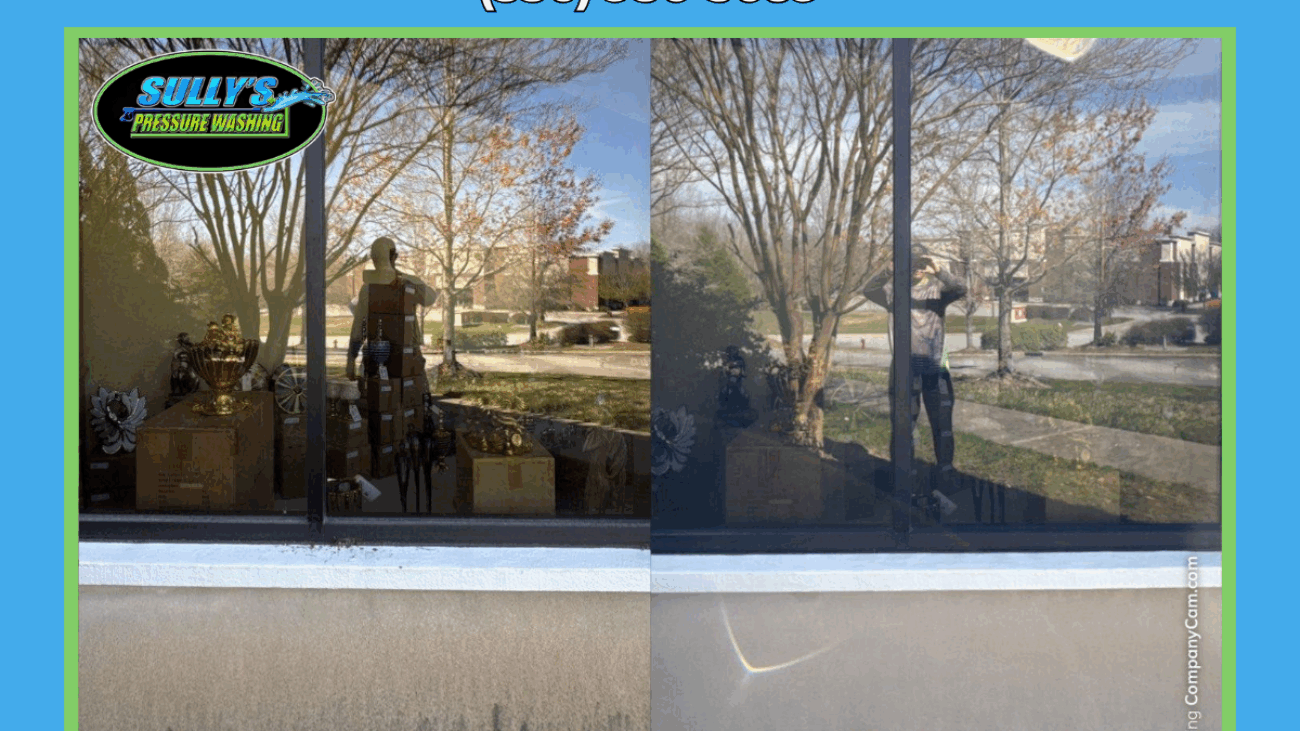
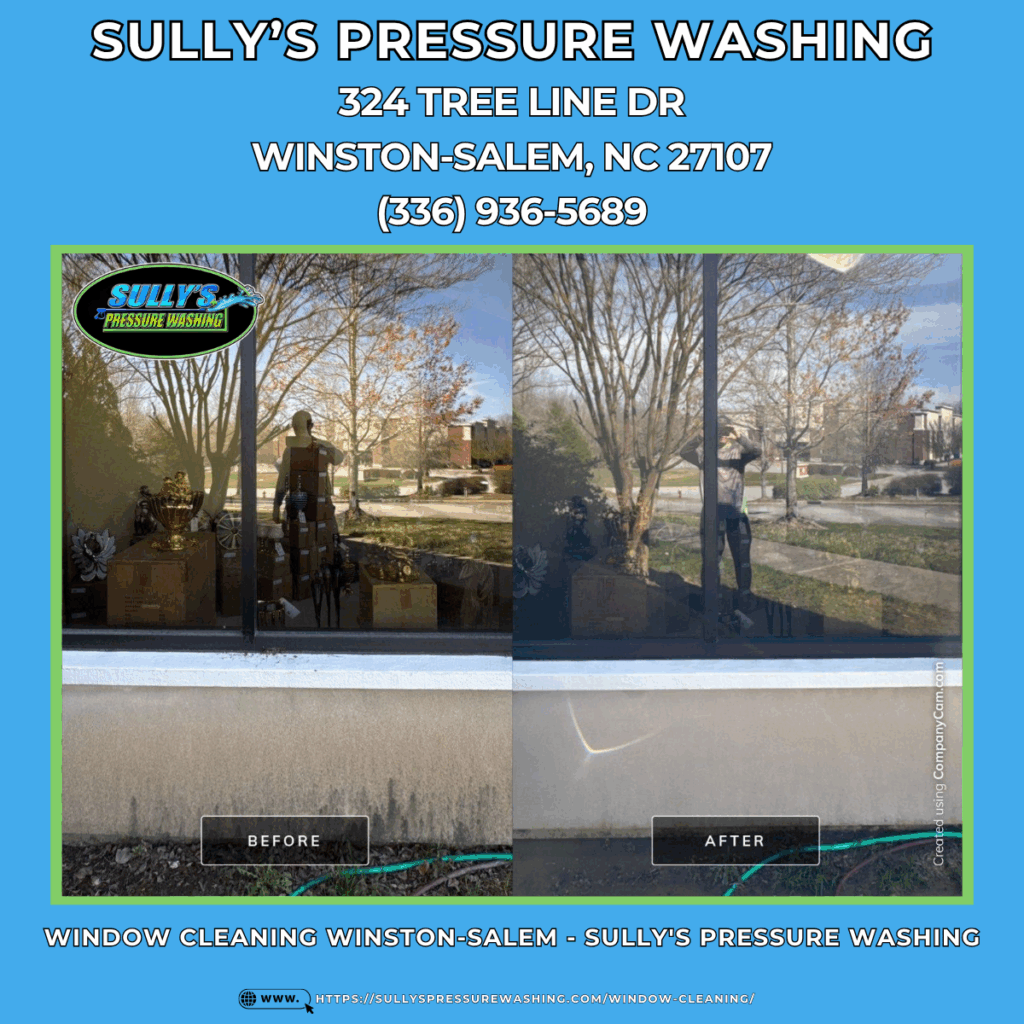
The sparkling windows you see on well-maintained homes throughout Winston-Salem don’t happen by accident—they’re the result of professional window cleaning Winston-Salem NC services that homeowners rely on throughout the year. However, confusion often arises when customers discover that what they assumed was included in “complete” window cleaning might not encompass every component of their windows. The question of whether window sills cleaning is part of standard service packages is among the most frequently asked by Winston-Salem residents seeking professional window cleaning services.

This uncertainty stems from varying industry standards and different approaches taken by service providers. Some companies bundle comprehensive cleaning that addresses every window element, while others maintain a focused approach on glass surfaces with optional add-ons for additional components. Understanding these differences before you book your appointment ensures you receive exactly the service you expect without surprises when the invoice arrives.

What Does Standard Window Cleaning Typically Include?

The term “standard window cleaning services” can mean different things depending on the provider you contact. Traditionally, window cleaning originated as a service focused exclusively on glass surfaces, and many companies still maintain this approach as their baseline offering. These basic packages prioritize streak-free, crystal-clear glass that allows maximum natural light into your home.

What Parts of the Window Are Usually Cleaned?

Most professional window cleaning appointments address the primary glass panes, both interior and exterior, as the core service. Cleaning window glass involves removing dirt, pollen, water spots, fingerprints, and environmental residue using professional-grade squeegees, scrubbers, and cleaning solutions designed to leave no streaks or residue behind.

Window frame cleaning represents a gray area in service packages. Frames—the structures surrounding the glass—collect substantial amounts of dirt, especially on exterior surfaces exposed to weather. Some providers include a basic wipe-down of frames as a courtesy when cleaning glass, recognizing that frames directly adjacent to their work area naturally get addressed. Other companies strictly limit their service to glass and charge separately for any frame cleaning.

Screen cleaning represents another variable component. Window screens protect your home from insects while allowing fresh air circulation, but they also trap dust, pollen, and outdoor debris. Full screen cleaning involves removal, washing with appropriate solutions, drying, and careful reinstallation. This labor-intensive process means many companies offer it as a separate service, though some include it in premium packages.

Why Window Sills Are Sometimes Excluded from Basic Cleaning

Window sills present unique challenges that explain why many providers exclude them from entry-level packages. Window sill cleaning challenges include dealing with multiple layers of accumulated material—dust combines with moisture to create caked-on grime, dead insects decompose and leave stains, and mold or mildew can develop in damp conditions. This buildup requires more aggressive cleaning methods than simple glass wiping.

The location and accessibility of sills also contributes to their exclusion from basic services. Interior sills are straightforward to clean, but exterior sills—particularly on second or third stories—may require ladder positioning or specialized equipment. This additional setup time and safety considerations increase labor costs.

Moreover, sill materials vary widely. Wooden sills require gentle cleaning to avoid moisture damage, vinyl sills may need specific cleaners to prevent discoloration, and painted surfaces must be treated carefully to preserve the finish. This variability means technicians must assess and adjust their approach for each window, adding complexity that doesn’t exist when focusing solely on glass cleaning.

Companies offering additional window cleaning services recognize that including sills in every basic package would significantly increase prices, potentially pricing them out of competition with companies that maintain lower rates by focusing exclusively on glass.

Do Window Cleaning Services in Winston-Salem Include Sills?

Winston-Salem’s competitive window cleaning market offers various approaches to sill cleaning. After surveying local providers, the overwhelming majority treat sill cleaning as either an optional add-on service or include it only in their top-tier packages. Window cleaning including sills Winston-Salem services exist, but they’re rarely the default basic option.

This market reality reflects both customer preference and competitive pricing pressures. Many homeowners prioritize clean glass and are satisfied with DIY sill maintenance between professional visits. These customers prefer lower base prices and the option to add services as needed. Conversely, homeowners seeking comprehensive maintenance appreciate premium window cleaning services that address every window component in a single appointment.

The best approach when contacting Winston-Salem providers is to explicitly ask about sill cleaning during your initial inquiry. Questions should cover whether sills are included in the quoted price, whether interior and exterior sills receive equal attention, and what additional cost applies if sills aren’t part of the base package. This transparency eliminates confusion and helps you accurately compare quotes from multiple companies.

Many established Winston-Salem companies have responded to customer demand by creating flexible package structures. You might encounter “glass only,” “glass plus frames,” and “complete window care” options, allowing you to select the service level matching your needs and budget.

Extra Services Related to Window Cleaning (Sills, Tracks, Screens, Frames)

Beyond the primary glass cleaning service, several complementary offerings can transform basic window maintenance into comprehensive care. Understanding these options and their typical costs helps you make strategic decisions about your home maintenance budget.

Window sill cleaning cost varies based on several factors including sill condition, material type, and home size. In Winston-Salem, expect to pay approximately $2 to $5 per window for sill cleaning added to a standard appointment. A typical home with 20 windows would see an additional charge of $40 to $100 for complete sill service. While this may seem substantial, consider that professional cleaning removes harmful mold, prevents permanent staining, and addresses buildup that becomes increasingly difficult to remove over time.

Track cleaning window services address the channels and grooves where sliding windows and doors operate. These often-overlooked areas accumulate shocking amounts of debris—dirt, dead insects, pet hair, and grime that can cement itself into corners and crevices. Clean tracks ensure smooth window operation and prevent premature wear on moving parts. Track cleaning typically adds $3 to $6 per window to your service cost.

Window screen cleaning requires careful handling to avoid damaging the delicate mesh material. Professional screen cleaning involves removing each screen, washing it with appropriate solutions that won’t degrade the mesh or frame, allowing proper drying to prevent rust or corrosion, and reinstalling it securely. Screen cleaning usually costs $5 to $10 per screen but dramatically improves your view and can extend screen life by years.

Benefits of Cleaning Window Sills and Tracks

The benefits of cleaning window sills extend well beyond simple aesthetics, though the visual improvement is certainly noticeable. Clean sills prevent permanent damage to window components—moisture and dirt that sits on wooden sills can cause rot, while grime on vinyl or composite materials can cause discoloration that becomes impossible to remove without replacement.

Proper window maintenance Winston-Salem homeowners should embrace includes regular sill and track cleaning to ensure optimal window function. Windows that don’t open or close smoothly often suffer from dirty tracks rather than mechanical failure. Professional cleaning can restore easy operation and prevent the need for costly repairs or replacements.

Health considerations make sill cleaning particularly important for households with allergy sufferers or respiratory sensitivities. Mold spores, dust mites, and accumulated pollen concentrate on window sills, particularly those that receive limited air circulation. Professional cleaning eliminates these allergen sources and contributes to healthier indoor air quality.

Pest prevention represents another significant benefit. Insects are attracted to dirty sills, using them as nesting areas or food sources. Spiders, ants, and other pests frequently establish presence in neglected window areas. Regular cleaning eliminates these attractions and reduces pest problems throughout your home.

How to Choose the Right Window Cleaning Service in Winston-Salem

Selecting the best window cleaning Winston-Salem provider requires careful evaluation beyond simple price comparison. Start by seeking companies with established local presence, verified customer reviews, and proper licensing and insurance. A company that’s served Winston-Salem for years has a reputation to protect and likely maintains consistent quality standards.

When choosing window cleaners, prepare a list of service questions sills that includes: “What exactly is included in your standard package?” “What does adding sill cleaning cost?” “Do you clean both interior and exterior sills?” “What products do you use, and are they safe for my specific sill materials?” “Do you guarantee your work?” These questions reveal whether a company maintains professional standards and customer-focused policies.

Request itemized written estimates from multiple providers. Detailed quotes that separate glass cleaning, sill cleaning, screen cleaning, and other services allow accurate comparison. Be wary of estimates that provide only a total number without explaining what that price includes—this often leads to disputes over completed work.

Verify the company’s approach to accessing difficult areas. Window cleaning for multi-story homes requires appropriate safety equipment and trained personnel. Companies should readily explain their safety protocols and demonstrate professional liability insurance that protects you if accidents occur on your property.

Consider scheduling flexibility and response times. Reputable companies typically book several weeks in advance during peak seasons but should accommodate your preferred timing and communicate clearly about scheduling. They should also have policies for weather delays or rescheduling needs.

FAQ: Window Cleaning and Sills in Winston-Salem

Does window cleaning always include sills?

Window cleaning does not automatically include sills in most cases. The standard industry practice treats sill cleaning as supplementary to the primary service of glass cleaning. When researching window cleaning FAQs Winston-Salem homeowners commonly encounter this distinction. Always verify what’s included before booking to avoid misunderstandings.

Are sills cleaned on the inside and outside?

When you purchase sill cleaning services, companies typically clean both interior and exterior sills unless physical limitations prevent exterior access. Upper-story exterior sills may present challenges that affect whether they can be included, depending on the company’s equipment and safety protocols. Always clarify this during your booking conversation.

Is there an extra charge for cleaning window sills?

Yes, most companies charge additionally for sill cleaning beyond their base glass-cleaning rate. The extra charge generally falls between $2 and $5 per window but can vary based on sill condition, material, and accessibility. Sills requiring mold remediation or heavy stain removal may incur higher charges.

How often should window sills be cleaned?

Professional sill cleaning should align with your window cleaning schedule, typically twice annually for most Winston-Salem homes. Spring and fall cleanings address seasonal pollen and prepare windows for weather changes. Homes in high-dust areas, near construction, or with allergy-sensitive residents may benefit from quarterly professional attention. Between professional cleanings, monthly light maintenance keeps sills from developing stubborn buildup.

Can I clean window sills myself between professional cleanings?

Absolutely, and regular light maintenance between professional appointments is encouraged. Simple DIY sill cleaning involves vacuuming loose debris with a brush attachment, wiping with a microfiber cloth dampened with mild all-purpose cleaner, and drying thoroughly. For wooden sills, minimize water exposure to prevent swelling or damage. This regular attention prevents the severe buildup that makes professional cleaning more expensive.

Conclusion: What Winston-Salem Homeowners Should Expect from Window Cleaning

Understanding realistic window cleaning expectations Winston-Salem residents should maintain helps you plan effectively for home maintenance needs. While basic packages from most providers focus primarily on glass surfaces, comprehensive window sill cleaning service is widely available through add-on options or upgraded packages designed for thorough home care.

The decision to include sill cleaning depends on your priorities, budget, and maintenance philosophy. Homeowners comfortable with DIY maintenance between professional visits might prefer base packages with occasional professional sill service. Those seeking convenient, comprehensive care often find value in all-inclusive packages that address every window component during each appointment.

Professional window and sill cleaning represents an investment in your home’s appearance, comfort, and longevity. Clean windows maximize natural light, enhance views, and contribute to your home’s curb appeal and market value. Clean sills prevent damage, promote healthier indoor air, and ensure optimal window function for years to come.

Before scheduling your next window cleaning appointment, contact several Winston-Salem providers to discuss their specific offerings. Compare not just prices but what those prices include, the company’s reputation and insurance coverage, and their willingness to customize services to your needs. Most professional companies appreciate informed customers who ask detailed questions and will work with you to design a service package that delivers exactly what you want.

Whether you choose economical glass-only service or comprehensive cleaning that includes sills, tracks, and screens, regular professional attention keeps your windows functioning beautifully. Partner with a reliable Winston-Salem provider who communicates clearly, delivers consistent quality, and stands behind their work—your home deserves nothing less.

 
Lanai Pressure Washing Cape Coral

Complete Guide to Pressure Washing Your Cape Coral Lanai: Professional Tips for Florida Homeowners  

Complete Guide to Pressure Washing Your Cape Coral Lanai: Professional Tips for Florida Homeowners

Learn step-by-step how to safely and effectively pressure wash a lanai in Cape Coral, FL, with local tips, equipment recommendations, and answers to frequently asked questions.

The Importance of Lanai Pressure Washing in Cape Coral

Living in Cape Coral means enjoying beautiful outdoor spaces year-round, but it also means dealing with the relentless combination of humidity, heat, and rainfall that turns lanais into breeding grounds for algae, mold, and mildew. Neglecting regular lanai cleaning Cape Coral homeowners need to prioritize can lead to permanent staining, structural deterioration, and even health concerns from airborne mold spores that migrate into your home.

The lanai pressure washing benefits extend well beyond aesthetics. Florida’s aggressive climate causes organic growth that doesn’t just sit on surfaces—it actively degrades them. Algae and mold produce acids that eat into porous materials like concrete and grout, while mildew stains become increasingly difficult to remove the longer they’re allowed to establish. Regular pressure washing removes these destructive elements before they cause permanent damage, saving you thousands in potential restoration costs down the road.

Moreover, clean lanais simply function better. Screens clogged with dirt and spider webs restrict airflow and block light, diminishing the comfort and utility of what should be one of your home’s most enjoyable spaces. Slippery algae on floors creates liability risks, particularly in pool areas where running children and wet surfaces already present challenges. By maintaining a clean lanai through regular pressure washing, you’re protecting both your property value and your family’s safety.

Preparing to Pressure Wash Your Lanai

Successful pressure washing preparation begins well before you pull the trigger on your pressure washer. Start by completely clearing your lanai of all movable items—furniture, grills, planters, decorations, and storage items. This seemingly obvious step is often rushed, leaving obstacles that prevent thorough cleaning and create shadows of dirt that stand out starkly against cleaned areas.

Once cleared, conduct a methodical inspection of your lanai’s condition. Walk the perimeter examining screens for tears, punctures, or loose spline that could worsen under pressure. Check posts and beams for rot, particularly at ground level where moisture accumulation accelerates wood deterioration. Inspect your flooring for cracks, loose pavers, or areas where water has already caused damage—these vulnerabilities need addressing before pressure washing or they’ll become worse.

Essential lanai prep tips include pre-sweeping all surfaces to remove loose debris, leaves, and cobwebs. This preliminary cleaning makes your actual pressure washing more efficient and prevents debris from clogging your equipment. Mark any areas that require special attention with chalk or tape, and note any repairs needed so you don’t forget them when you’re focused on the washing process itself.

Equipment and Supplies Needed

Choosing the right pressure washer Cape Coral conditions demand means balancing cleaning power with surface safety. For residential lanai applications, electric pressure washers in the 1,400-2,000 PSI range provide the sweet spot of effective cleaning without excessive risk of damage. These units plug into standard outlets, run quieter than gas models, and require less maintenance—ideal for homeowners who’ll use them occasionally rather than daily.

Cape Coral residents have excellent access to lanai cleaning equipment through multiple channels. Major retailers along Del Prado Boulevard and Pine Island Road stock both rental and purchase options. Home Depot, Lowe’s, and Harbor Freight carry a range of residential pressure washers starting around $100 for basic electric models up to several hundred for feature-rich units with adjustable pressure, multiple nozzles, and soap tanks.

For those preferring to rent rather than buy, daily rental rates typically run $50-$75 for quality residential units, while weekend packages offer better value for larger projects. Local tool rental specialists like Sunbelt Rentals or smaller independent shops often provide better equipment orientation and customer service than big-box stores, helping first-timers avoid common mistakes.

Beyond the pressure washer itself, assemble these essential supplies: a variety of nozzle tips including 25-degree and 40-degree options, extension wands for reaching high areas safely, surface cleaner attachments for floors, garden hoses with sufficient length, appropriate cleaning solutions, personal protective equipment including safety glasses and slip-resistant footwear, and tarps for protecting plants and redirecting runoff.

Step-by-Step Guide to Pressure Washing a Lanai

Executing a thorough step-by-step pressure washing begins with proper equipment setup. After connecting your pressure washer to both water supply and power source, test the unit briefly to ensure water flows freely and connections are secure. Fill the detergent reservoir with properly diluted cleaning solution—never use undiluted products as they can damage surfaces and harm landscaping.

Your lanai cleaning instructions should always follow the top-to-bottom principle. Beginning with the ceiling and upper screen frames prevents dirty runoff from recontaminating lower areas you’ve already cleaned. Use a wide-angle nozzle (40-degree) and keep your distance—at least 12-18 inches from screens to avoid puncturing. Work in smooth, methodical strokes, overlapping each pass by about 50% to ensure complete coverage without streaking.

Screen panels require especially careful attention during lanai pressure washing. Position yourself inside the lanai and spray outward, which pushes debris away from your living space rather than into it. Hold the wand at a slight angle rather than perpendicular to the screen, distributing pressure across a larger area. If you encounter stubborn stains, apply cleaning solution directly and allow several minutes dwell time before rinsing rather than increasing pressure.

For structural elements like posts, beams, and framing, switch to a 25-degree nozzle for more concentrated cleaning power while maintaining safe distance. Follow the grain or length of materials with your spray pattern, and keep the wand moving continuously. Pausing even briefly in one spot can create visible damage lines or remove paint from finished surfaces.

Floor cleaning benefits tremendously from surface cleaner attachments, which look like hover discs with rotating spray arms underneath. These tools clean more evenly and efficiently than wand-only approaches, eliminating the streaking and uneven results common with freehand technique. For grout lines and heavily stained areas, follow surface cleaner passes with targeted wand work using appropriate pressure and distance.

Safety Precautions and Best Practices

Treating pressure washing safety seriously prevents injuries and property damage. These machines generate sufficient force to cut skin, inject water beneath the surface causing serious medical emergencies, or blow debris into eyes and faces. Always wear safety goggles or a face shield, never point the spray at yourself or others, and keep children and pets well away from the work area.

Proper footwear is non-negotiable for lanai damage prevention. Wet floors become treacherously slippery, and the combination of water, cleaning chemicals, and smooth surfaces creates genuine fall hazards. Wear closed-toe shoes with deep treads designed for wet conditions—water shoes or similar footwear with grip patterns work well.

Test your pressure and technique on inconspicuous areas before tackling prominent surfaces. This trial run reveals whether your pressure setting is appropriate and allows you to adjust distance and angle before working on visible areas. Start with lower pressure and increase gradually only if cleaning results prove inadequate. Remember that dwelling on spots longer often works better than increasing pressure.

Maintain awareness of electrical fixtures, outlets, and wiring throughout your lanai. While outdoor electrical installations should be weather-resistant, direct high-pressure spray can force water past seals and into junction boxes or fixture housings. Cover outlets with waterproof tape, avoid spraying directly at light fixtures, and never pressure wash around ceiling fans or electrical panels.

Protecting Plants and Landscaping

Southwest Florida’s lush landscaping surrounding most lanais requires proactive protection during pressure washing projects. The cleaning solutions, runoff, and physical water force can all damage ornamental plants, shrubs, and lawn areas adjacent to your lanai, turning a home improvement project into a gardening disaster.

Begin your plant protection strategy by thoroughly watering all vegetation near the work area several hours before starting. Saturated soil and plant tissues are less likely to absorb harmful chemicals from cleaning solution runoff. After watering, cover delicate plants, flowers, and prized shrubs with plastic sheeting, securing it with stakes or weights to prevent wind displacement.

To protect plants pressure washing impact, create physical barriers that divert water away from root zones. Position boards, temporary berms, or landscape fabric to channel runoff toward drainage areas, driveways, or other locations where it won’t harm vegetation. If your lanai drains toward planted areas, consider temporarily extending drain hoses or gutters to redirect flow during cleaning.

Throughout the pressure washing process, remain mindful of overspray. Even mist from cleaning chemicals can harm sensitive plants, so work carefully near the lanai’s perimeter. After completing your cleaning, promptly remove all protective coverings to prevent heat buildup, then thoroughly rinse any plants that may have been exposed to cleaning solutions or heavy runoff. This additional irrigation dilutes and flushes away residual chemicals before they can cause harm.

Choosing Pressure Washing Solutions for Lanais

Selecting effective lanai cleaning solutions appropriate for Cape Coral’s specific challenges significantly impacts your results. Florida’s climate creates ideal conditions for organic growth, requiring cleaners that not only remove visible stains but also kill the underlying organisms to prevent rapid regrowth.

For routine maintenance and light to moderate organic staining, oxygen-based cleaners provide excellent eco-friendly pressure washing Cape Coral homeowners increasingly prefer. Products containing sodium percarbonate release oxygen when mixed with water, breaking down organic stains through oxidation rather than harsh chemical action. Brands like OxiClean Outdoor, Krud Kutter Exterior, and Simple Green work effectively on most lanai surfaces while being substantially safer for surrounding vegetation and local waterways.

When confronting severe mold, mildew, or algae accumulation, stronger solutions may be necessary. Specialized outdoor mildewcides containing quaternary ammonium compounds or sodium hypochlorite offer more aggressive cleaning power. However, use these products judiciously, following dilution instructions precisely and taking extra precautions to protect landscaping from runoff.

Cape Coral’s extensive canal system and proximity to the Caloosahatchee River make environmentally responsible cleaning product choices particularly important. Everything that runs off your lanai eventually reaches our waterways, affecting the aquatic ecosystem that makes Southwest Florida special. Look for biodegradable, phosphate-free formulations that break down naturally without introducing harmful chemicals into the environment.

Local availability makes product selection convenient—Cape Coral hardware stores, home improvement centers, and specialty cleaning supply shops stock numerous options suitable for lanai pressure washing. Store staff can often provide recommendations based on your specific surfaces and staining issues, helping you choose the most appropriate and cost-effective solutions.

Common Mistakes to Avoid When Pressure Washing

Understanding common pressure washing mistakes helps you avoid the frustration and expense of damaged surfaces or disappointing results. Perhaps the most prevalent error is the “more pressure is better” assumption. Many first-time users crank their machines to maximum PSI, believing this ensures thorough cleaning. In reality, excessive pressure gouges concrete, splinters wood, tears screens, and forces water behind sealants where it causes hidden damage that emerges weeks or months later.

Related to excessive pressure are lanai cleaning errors involving improper nozzle selection. Zero-degree nozzles concentrate pressure into a pinpoint stream that acts more like a cutting tool than a cleaning tool. These should rarely if ever be used on lanai surfaces. Even 15-degree nozzles can be too aggressive for screens, painted surfaces, or aging materials. Starting with wider angles (40-degree) and narrowing only if absolutely necessary prevents damage while still achieving excellent cleaning results.

Rushing the process creates numerous problems. Applying cleaning solution without allowing adequate dwell time means it can’t properly break down organic growth and stains, forcing you to use higher pressure or make multiple passes. Conversely, letting solutions dry on surfaces before rinsing leaves residues that attract dirt more quickly, creating a self-defeating cycle. Similarly, moving the wand too quickly provides inadequate cleaning, while holding it stationary too long causes damage—finding the right pace takes practice.

Ignoring weather conditions undermines your efforts. Pressure washing during Cape Coral’s intense midday sun causes cleaning solutions to evaporate before working effectively, while wind blows spray onto areas you’re trying to protect. Working just before rain wastes effort as your newly cleaned surfaces immediately get dirty again. Ideal conditions include overcast days or early morning hours when temperatures are moderate, humidity is lower, and you can work without fighting sun glare or harsh shadows.

Finally, inadequate rinsing leaves chemical residues that actually attract dirt more aggressively than untreated surfaces. After completing cleaning solution application and initial rinsing, make a final pass with clear water only, ensuring all soap, chemicals, and loosened debris are completely flushed away. This extra step seems redundant but dramatically improves long-term results.

Hiring a Pressure Washing Professional in Cape Coral

Despite pressure washing’s apparent simplicity, many situations warrant hiring professional pressure washing Cape Coral services rather than tackling the job yourself. Lanais featuring natural stone like travertine, expensive hardwood elements, or intricate architectural details require expertise to clean effectively without causing damage. Professionals understand how different materials respond to pressure and chemicals, adjusting their approach accordingly.

Physical limitations also influence the DIY-versus-professional decision. Lanai pressure washing demands physical stamina—standing for extended periods, reaching overhead, and maneuvering equipment creates genuine fatigue. Multi-story lanais or those with extensive high areas require specialized equipment like scaffolding or extended-reach wands that most homeowners don’t own. Professionals bring appropriate equipment and the experience using it safely.

Time constraints make professional services attractive for busy homeowners. What might take you an entire weekend to complete, professionals accomplish in hours thanks to commercial-grade equipment, refined techniques, and multi-person crews. When you factor in equipment rental costs, cleaning product purchases, and your time’s value, professional services often prove surprisingly cost-effective.

When evaluating lanai cleaning services, request on-site estimates from at least three local companies. Quality contractors personally inspect your lanai before quoting rather than providing phone estimates. During these consultations, ask specific questions: What pressure settings do you use for screens versus concrete? How do you protect landscaping? What cleaning solutions do you prefer and why? Do you guarantee your work? Can you provide local references I can contact?

Verify insurance coverage—both general liability and workers’ compensation if they have employees. Uninsured contractors leave you liable for injuries or damage occurring on your property. Check Better Business Bureau ratings and online reviews, looking for patterns in customer feedback rather than focusing on individual complaints.

Professional lanai pressure washing in Cape Coral typically costs $150-$400 for average residential projects, depending on size, condition, and complexity factors like high ceilings or extensive built-in features. While this investment exceeds DIY equipment rental and supplies, it includes expertise, insurance protection, and time savings that make professional services worthwhile for many homeowners.

Maintaining Your Lanai After Washing

Implementing consistent lanai maintenance routines dramatically extends time between major pressure washing projects while keeping your outdoor space perpetually presentable. Establish a simple weekly habit of sweeping floors and wiping down screen frames to remove dust, pollen, and organic debris before it accumulates into visible staining.

Monthly maintenance should include hosing down your entire lanai with regular garden hose pressure. This quick, gentle cleaning removes light organic growth and prevents the heavy buildup that eventually necessitates aggressive pressure washing. Focus particular attention on areas where water tends to pool, corners where spider webs accumulate, and under furniture or features that restrict air circulation.

To prevent mold Cape Coral’s humidity enables so readily, address the root cause rather than just cleaning symptoms. Improve air circulation by trimming back vegetation that blocks airflow around your lanai’s perimeter. Ensure all drainage holes in screen tracks and foundation areas remain clear—even small obstructions can cause water backup that creates ideal mold growth conditions. Consider installing ceiling fans if your budget allows; the constant air movement significantly inhibits organic growth while making your lanai more comfortable.

Apply preventative treatments quarterly using products specifically designed to inhibit mold and mildew growth. These solutions create an environment hostile to organic growth, substantially extending the time between necessary lanai pressure washing sessions. Products like Wet & Forget or 30 Seconds Outdoor Cleaner can be applied with a garden sprayer and work continuously over weeks to prevent new growth from establishing.

Address emerging problems immediately rather than waiting until your

 
Driveway Pressure Washing Cape Coral

Should Cape Coral Homeowners Invest in Driveway Pressure Washing?  

Should Cape Coral Homeowners Invest in Driveway Pressure Washing?

Overview of Pressure Washing Driveways in Cape Coral

When you look at your driveway and notice unsightly green stains, black streaks, or accumulated grime, you’re witnessing the effects of Cape Coral’s humid subtropical climate at work. Pressure washing—a cleaning technique that utilizes high-pressure water jets to blast away dirt, organic growth, and stubborn stains—has become increasingly popular among Florida homeowners seeking effective outdoor maintenance solutions.

In Cape Coral specifically, the combination of year-round warmth, frequent afternoon thunderstorms, and humidity levels that regularly exceed seventy percent creates ideal conditions for rapid contamination of concrete and asphalt surfaces. Unlike homeowners in drier climates who might pressure wash every few years, Cape Coral residents face accelerated buildup that demands more frequent attention. This comprehensive exploration of pressure washing Cape Coral FL services examines whether this investment truly delivers value for your home.

Understanding the costs, benefits, and practical considerations of driveway cleaning helps you make informed decisions about maintaining your property’s appearance and structural integrity in Florida’s demanding climate.

Why Driveway Pressure Washing Matters in Cape Coral, FL

Florida’s climate presents unique challenges that make regular driveway maintenance not just cosmetic but essential for property preservation. The relentless combination of heat, moisture, and organic matter creates a perfect storm for surface contamination that accelerates faster than almost anywhere else in the country.

Mold and algae thrive in Cape Coral’s environment, colonizing porous concrete surfaces within months of initial cleaning. These organisms aren’t merely unsightly—they pose legitimate safety hazards by creating slick surfaces that become treacherously slippery when wet. Families with young children, elderly residents, or guests unfamiliar with the property face increased fall risks on contaminated driveways.

The impact on property value maintenance extends beyond immediate safety concerns. Curb appeal Florida real estate professionals emphasize dramatically influences buyer perceptions and willingness to make competitive offers. Research consistently shows that homes presenting clean, well-maintained exteriors sell faster and command prices five to ten percent higher than comparable properties with neglected appearances.

Driveway mold removal Cape Coral services address more than aesthetics. Biological growth penetrates concrete’s porous structure, where acids produced by mold and algae gradually break down binding compounds. This deterioration manifests as surface pitting, increased porosity that accelerates future contamination, and structural weakening that leads to premature cracking. Professional driveway pressure washing experts recognize that surface maintenance directly correlates with long-term structural preservation.

Pressure Washing vs. Other Cleaning Methods

Homeowners confronting dirty driveways can choose from several cleaning approaches, each offering distinct advantages and limitations. Understanding these options helps you select the most appropriate method for your situation and budget.

Traditional chemical cleaners utilize specialized formulations that dissolve organic matter and break down stains through chemical reactions. While effective for specific applications, these products raise environmental concerns, particularly in Florida where runoff enters sensitive aquatic ecosystems. Additionally, harsh chemicals can damage surrounding landscaping, pose risks to pets and children, and often require multiple applications for comprehensive cleaning.

Manual scrubbing with stiff brushes and mild detergents provides precise control and works well for small areas or spot treatment. However, the physical labor required to manually clean an entire driveway is substantial. Most homeowners find this approach impractical for regular maintenance, and the results rarely match the uniformity achieved through pressure washing.

The pressure washing vs chemical cleaning comparison typically favors high-pressure water methods. Mechanical cleaning action physically dislodges contaminants without relying on harsh chemicals, making it environmentally friendlier and safer for households with children and pets. The pressurized water penetrates surface pores, removing embedded contamination that surface scrubbing cannot reach.

DIY vs. Professional Pressure Washing

The decision between DIY driveway cleaning Cape Coral approaches and hiring professionals involves weighing cost savings against convenience, results quality, and potential risks. Each option suits different homeowner circumstances and priorities.

Budget-conscious homeowners often consider renting pressure washing equipment from local hardware stores. Rental costs typically range from fifty to one hundred dollars daily, plus expenses for cleaning solutions and protective gear. This approach works adequately for mechanically inclined individuals comfortable operating unfamiliar equipment and willing to dedicate several hours to the project.

However, DIY pressure washing carries significant risks for inexperienced operators. Pressure washers generate tremendous force—up to four thousand pounds per square inch—capable of etching concrete, creating permanent streaks, or causing serious injuries if mishandled. Different driveway materials require specific pressure settings and techniques. Concrete tolerates higher pressures than asphalt, while decorative or stamped surfaces need gentler approaches to avoid damaging finishes.

Professional pressure washing Cape Coral FL companies bring expertise developed through thousands of cleaning projects. They understand local conditions, own commercial-grade equipment calibrated for optimal performance, and carry insurance protecting homeowners from liability if accidents occur. Most professionals complete standard driveway cleaning in sixty to ninety minutes—a fraction of the time required for DIY attempts—with consistently superior results.

Cost comparisons should factor in time value and risk mitigation. While professional services charge one hundred fifty to four hundred dollars for typical driveways, that investment includes expertise, efficiency, appropriate insurance coverage, and peace of mind that the work will be done correctly without damaging your property.

Costs of Pressure Washing a Driveway in Cape Coral, FL

Transparent understanding of pressure washing cost Cape Coral FL helps homeowners budget appropriately and evaluate whether professional services or DIY approaches align with their financial circumstances. Local market pricing varies based on multiple factors including driveway dimensions, surface material, contamination severity, and service provider expertise.

For standard residential driveways measuring approximately six hundred square feet (accommodating two vehicles), typical investment ranges include:

DIY Investment: Equipment rental costs fifty to one hundred dollars per day, with an additional twenty to forty dollars for appropriate cleaning solutions and safety gear. Total out-of-pocket expense typically reaches seventy to one hundred forty dollars, plus your time investment of four to six hours.

Professional Basic Cleaning: Standard cleaning services for moderately soiled driveways range from one hundred fifty to three hundred dollars, depending on property accessibility and driveway condition.

Deep Cleaning Services: Driveways with heavy contamination, stubborn oil stains, or requiring post-cleaning sealant application cost three hundred to five hundred dollars. These premium services include pre-treatment, multiple passes, and protective applications extending cleanliness duration.

Driveway cleaning pricing structures typically calculate per square foot, with rates ranging from twenty-five to seventy-five cents. Factors influencing pricing include surface material (concrete, asphalt, pavers), contamination type and severity, stain removal requirements, and whether sealant application follows cleaning.

Long-term financial analysis reveals compelling value. Annual professional pressure washing costing three hundred dollars represents thirty-six hundred dollars over twelve years. Compare this to driveway replacement costs—typically eight thousand to fifteen thousand dollars for standard residential driveways—and the maintenance investment appears modest. Regular cleaning extends driveway lifespan by preventing the structural degradation that necessitates premature replacement.

Benefits of Pressure Washing Your Driveway

The advantages of maintaining clean driveways extend far beyond immediate visual improvements, though the aesthetic transformation remains impressive and immediately noticeable. Comprehensive benefits span safety, structural preservation, health considerations, and financial returns.

Visual Transformation: Fresh pressure washing dramatically improves curb appeal Florida homeowners depend upon for positive first impressions. The stark contrast between contaminated and cleaned sections reveals just how substantially grime accumulates over time. A pristine driveway enhances your entire property’s appearance, creating welcoming presentations for visitors and potential buyers alike.

Safety Enhancement: Removing slippery organic growth ranks among pressure washing’s most critical benefits. Algae and mold create hazardous conditions, particularly during or immediately after rainfall when these organisms become extremely slick. Eliminating these fall risks protects family members, guests, postal carriers, and delivery personnel from preventable injuries and potential liability claims.

Structural Preservation: Regular cleaning directly contributes to surface longevity by preventing contaminants from penetrating and degrading driveway materials. Mold and algae produce mild acids that slowly dissolve concrete binding agents, while root systems from organic growth create microscopic fractures that expand over time. Removing these threats before they cause permanent damage helps increase home value by preserving one of your property’s most visible features.

Health Protection: Mold prevention driveway maintenance offers important health benefits, especially for households with family members experiencing respiratory sensitivities or allergies. Mold spores from contaminated outdoor surfaces become airborne and enter homes through open doors, windows, and ventilation systems. Reducing outdoor mold populations through regular cleaning improves overall air quality around your property.

Financial Returns: Property value impact from well-maintained exteriors consistently appears in real estate research. While pressure washing alone won’t dramatically increase assessed values, it significantly influences buyer perceptions and willingness to make competitive offers. Properties presenting clean, cared-for appearances attract more showing requests and generally sell faster at higher prices than comparable homes with neglected exteriors.

Step-by-Step Guide to Pressure Washing a Driveway

Homeowners choosing DIY approaches benefit from understanding proper techniques that ensure safe, effective results without damaging driveway surfaces. This comprehensive guide covers essential steps for successful driveway pressure washing Cape Coral projects.

Preparation Requirements: Begin by completely clearing the driveway of vehicles, outdoor furniture, planters, toys, and any movable objects. Sweep away loose debris, leaves, and dirt—pressure washing works best on surfaces free from loose material that could become projectiles under high pressure. Pre-treat stubborn stains, particularly oil spots, with appropriate degreasers, allowing fifteen to thirty minutes for chemicals to penetrate and break down contaminants. Protect adjacent landscaping with plastic sheeting, as high-pressure water can damage delicate plants and flowers.

Equipment Selection: Choose appropriate pressure washers and accessories based on your driveway material. Concrete surfaces tolerate pressures from three thousand to thirty-five hundred PSI, while softer materials including asphalt and pavers require gentler settings between fifteen hundred and two thousand PSI. Nozzle selection significantly impacts results—twenty-five-degree tips suit general cleaning, while zero-degree or turbo nozzles tackle stubborn stains (use cautiously to avoid surface damage).

Safety Protocols: Personal protective equipment includes safety goggles preventing debris and water from striking eyes, closed-toe shoes with good traction, and long pants protecting legs from spray backsplash. Never direct pressure washer spray toward people, pets, windows, or delicate surfaces. Maintain stable footing on wet surfaces, and respect the equipment’s recoil force to avoid losing control.

Application Technique: Work methodically in overlapping sections, maintaining consistent distance (twelve to eighteen inches) between the nozzle and surface. Moving the spray wand steadily prevents etching from concentrated pressure in single spots. Start from the highest point and work downward, allowing dirty runoff to flow away from already-cleaned areas. Overlap each pass by approximately six inches to avoid visible streaking between sections.

Common Errors to Avoid: Inexperienced operators frequently use excessive pressure that damages surfaces, creating permanent etching or pitting. Inadequate rinsing leaves cleaning solution residue that attracts new contamination faster. Neglecting edges around garage doors, walkways, and landscaping creates incomplete results with visible dirt lines. Rushing through the process produces uneven, streaky appearances requiring additional work to correct.

When dealing with extensive contamination that may indicate underlying moisture issues, consulting professionals ensures you address root causes rather than just surface symptoms.

Environmental Concerns and Best Practices

Responsible homeowners balance cleaning effectiveness with environmental stewardship, particularly important in Florida’s delicate ecosystem. Implementing eco-friendly pressure washing Cape Coral practices protects local waterways, wildlife, and vegetation while achieving excellent cleaning results.

Water Conservation Strategies: Modern pressure washers demonstrate remarkable efficiency, using significantly less water than traditional garden hose methods while delivering superior cleaning power. Typical residential driveway cleaning consumes fifty to eighty gallons—approximately one-quarter the volume required for comparable hose-and-brush cleaning. Water conservation driveway cleaning techniques include spot-treating heavily soiled areas before full washing and using appropriate pressure settings that clean effectively without excessive runoff.

Environmentally Safe Cleaning Agents: Biodegradable detergents formulated specifically for pressure washing provide effective cleaning without harming surrounding vegetation or contaminating stormwater systems feeding into Cape Coral’s extensive canal network. Avoid products containing phosphates, chlorine bleach, or harsh solvents that damage aquatic ecosystems. Many situations require only water pressure for adequate cleaning, eliminating chemical use entirely.

Responsible Runoff Management: Cape Coral’s stormwater drainage connects directly to sensitive marine environments, making runoff management crucial. Direct dirty water toward landscaped areas where soil naturally filters contaminants before they reach waterways. Create temporary berms using sand or absorbent materials to prevent contaminated runoff from entering storm drains. Some professional services employ water reclamation systems capturing and treating wastewater for environmentally responsible disposal.

Regulatory Compliance: Local ordinances may establish guidelines for pressure washing practices, particularly during drought conditions or in environmentally sensitive areas. Contact Cape Coral’s environmental services department to verify current regulations and ensure your cleaning practices comply with municipal requirements.

How Often Should Driveways Be Pressure Washed in SW Florida?

Establishing an appropriate pressure washing schedule Cape Coral FL homeowners can maintain requires understanding how local climate conditions accelerate contamination compared to other regions. Florida driveway maintenance demands differ significantly from recommendations applicable in drier, cooler climates.

Minimum Maintenance Schedule: Most Cape Coral properties benefit from annual pressure washing as a baseline maintenance practice. This frequency prevents contamination from reaching levels where aggressive (potentially damaging) cleaning methods become necessary. Annual cleaning typically maintains acceptable appearance and prevents structural damage from prolonged organic growth exposure.

Enhanced Maintenance Requirements: Properties with conditions accelerating contamination require more frequent cleaning—typically twice annually. Factors necessitating semi-annual maintenance include significant tree coverage creating shade and dropping organic debris, northern exposures receiving limited direct sunlight (UV light naturally inhibits some organic growth), proximity to water bodies increasing humidity and airborne spore counts, and properties with irrigation systems regularly wetting driveway surfaces.

Seasonal Timing Considerations: Many professionals recommend late winter through early spring (February through April) as optimal cleaning timing. This schedule removes accumulated winter contamination before summer’s rainy season dramatically accelerates organic growth. Spring cleaning provides freshly treated surfaces that resist new contamination more effectively through the challenging summer months.

Visual Indicators: Rather than adhering strictly to calendar schedules, responsive maintenance addresses contamination when visual indicators appear. Green or black discoloration signals active organic growth requiring prompt attention. Surfaces feeling slippery when wet indicate hazardous mold or algae accumulation. Visible patches of growth spreading across your driveway suggest contamination reaching levels demanding immediate cleaning.

Properties experiencing water intrusion events or flooding should receive professional assessment to identify and address underlying moisture issues contributing to surface contamination.

Choosing a Pressure Washing Company in Cape Coral, FL

Selecting reliable, competent pressure washing services requires careful evaluation to ensure quality results while protecting your property from potential damage caused by inexperienced or uninsured contractors. Not all service providers offer equivalent expertise, equipment quality, or professional standards.

Verify Licensing and Insurance: Legitimate companies maintain current general liability insurance and workers’ compensation coverage protecting homeowners from liability if accidents or property damage occurs during service. Request certificates of insurance and independently verify coverage by contacting insurance carriers directly. Never hire uninsured contractors regardless of price advantages they offer.

Assess Local Experience: Companies thoroughly familiar with Southwest Florida’s climate understand the specific challenges Cape Coral properties face. They recognize local mold and algae species, understand appropriate cleaning solutions and techniques for materials common in regional construction, and appreciate environmental regulations governing pressure washing practices in coastal communities.

Evaluate Equipment Quality: Professional-grade pressure washers deliver consistent performance and superior results compared to consumer-grade equipment. Inquire about PSI ratings, hot water cleaning capabilities (dramatically improves cleaning effectiveness), and equipment maintenance practices. Well-maintained equipment reduces breakdown risks and ensures consistent service quality.

Research Reputation and References: Online reviews through Google, Facebook, and Better Business Bureau provide valuable insights into company reliability, customer service quality, and results consistency. Request references from recent clients with properties similar to yours. Reputable companies confident in their work readily provide contact information for satisfied customers.

Obtain Detailed Written Estimates: Professional estimates specify services included, square footage calculations, pricing for additional services like oil stain removal or post-cleaning sealant application, and satisfaction guarantees. Avoid contractors providing only verbal quotes or pressuring immediate decisions before you can compare multiple estimates.

Confirm Environmental Practices: Responsible companies implement eco-friendly practices including biodegradable cleaning solutions, runoff management procedures, and compliance with local environmental regulations. Their commitment to sustainability protects Cape Coral’s waterways while delivering excellent cleaning results.

When selecting insured pressure washers FL homeowners trust, partnering with established companies offering comprehensive driveway pressure washing services ensures your property receives appropriate, professional care.

FAQ: Pressure Washing Driveways in Cape Coral

Is pressure washing safe for all driveway materials?

Pressure washing safely cleans most common driveway materials—concrete, asphalt, pavers, and brick—when appropriate techniques and pressure settings are applied. Concrete tolerates higher pressures, while softer materials require gentler approaches. Decorative or stamped concrete demands special care to preserve sealants and surface patterns. Professional assessment helps determine safe, effective methods for your specific driveway composition.

How long do results last in Florida’s climate?

Professionally cleaned Cape Coral driveways typically maintain their appearance for six to twelve months under normal conditions. Properties with heavy tree coverage, northern exposures with limited direct sunlight, or locations near water bodies may experience organic growth returning within four to six months. Establishing regular maintenance schedules prevents contamination from reaching severe levels requiring aggressive remediation.

Will pressure washing remove oil stains?

Pressure washing effectively removes fresh to moderately aged oil stains, particularly when combined with specialized degreasing agents. Older stains that have deeply penetrated porous concrete may require multiple treatments using professional-grade chemicals. Complete removal isn’t always achievable for severe, long-standing stains, though significant improvement typically occurs. Prompt treatment of fresh spills prevents permanent staining.

Can pressure washing increase home value?

Maintaining clean exterior surfaces including driveways positively influences curb appeal and property valuations. While pressure washing alone won’t dramatically increase assessed values, it significantly contributes to overall property presentation affecting buyer perceptions and offer willingness. Real estate professionals consistently report that homes with well-maintained exteriors sell faster and command higher prices than comparable properties showing neglect.

What’s the best time of year to pressure wash in Cape Coral?

Late winter through early spring (February through April) represents optimal timing for Cape Coral pressure

 
Fire Damage Restoration Sarasota

Sarasota’s Homeowner Guide to Restoring Fire Damaged Wood Safely and Effectively

Sarasota’s Homeowner Guide to Restoring Fire Damaged Wood Safely and Effectively

Restore Fire Damaged Wood in Sarasota: What You Need to Know

Fire alters wooden components visibly and at molecular levels, requiring immediate and careful attention in Sarasota’s humid climate. Timely restoration helps salvage floors, furniture, and beams damaged by heat, soot, smoke, and water used during fire suppression. Understanding local climate effects, safety protocols, and restoration techniques is essential for Sarasota homeowners facing fire damage restoration.

Assessing Fire Damage to Wood

Evaluate both aesthetic and structural damage: surface charring may be treatable, but wood that crumbles or shows deep cracks often needs replacement. Smoke penetration creates stubborn odors embedded in wood pores. Sarasota’s local climate demands explicit assessment of moisture intrusion from firefighting, as damp conditions exacerbate decay and mold risks.

Safety Considerations Before Restoration

Personal protective gear including masks and gloves is vital throughout the process. Ensure spaces are ventilated well to mitigate inhalation of hazardous soot particles. Sarasota regulations require permit compliance for repair work, safeguarding health and ensuring job quality. A safety-first mindset prevents secondary problems during restoration.

Cleaning & Deodorizing Fire Damaged Wood

The restoration process begins with specialized cleaning to remove smoke, soot, and odors. Use dry cleaning techniques with chemical sponges initially, followed by gentle wet cleaning with pH-balanced cleaners to avoid damage. Sarasota’s humidity makes over-wetting dangerous, so drying equipment should be deployed simultaneously. Odor neutralization is achieved through advanced methods like ozone or hydroxyl equipment, combined with sealing compounds to trap any residual smells.

Repairing and Restoring Structural Integrity

Light sanding removes charred layers; selection of Florida-friendly sealants is critical to protect wood against Sarasota’s moist environment. Where wood cannot be salvaged, replacements sourced locally ensure match in grain and finish. These steps restore both strength and appearance of wood elements.

Preventing Future Damage and Mold Growth

Fast, thorough drying immediately after restoration prevents mold. Use deodorants with antimicrobial properties and regular moisture checks. Sarasota’s climate necessitates continual vigilance post-restoration to protect fire-damaged wood components.

Navigating Insurance and Local Regulations

Photographic documentation and detailed damage reports help expedite insurance claims. Sarasota-area insurers and adjusters familiar with fire restoration nuances streamline approvals. Compliance with city and county fire restoration and construction codes is mandatory, ensuring safe and legal work.

Hiring Professional Fire Restoration Services in Sarasota, FL

Engaging licensed, insured fire restoration professionals offers advantages: modern equipment, certified cleaning protocols, safety adherence, and insurance claim support. Proven local experts deliver controlled salvage efforts and thorough deodorization tailored to Sarasota’s environment.

Cost to Restore Fire Damaged Wood in Sarasota, FL

DIY minor repairs start around a few hundred dollars, while professional services for more extensive damage typically range from $3,000 up to $15,000 or more. Costs hinge on scale, complexity, materials, and drying or odor removal needs.

Frequently Asked Questions (FAQ)

  • How long will restoration take? Days to weeks depending on damage and drying times.

  • Is complete odor removal possible? Most often yes, using industry-standard treatments.

  • What safety precautions are vital? Use of proper PPE and ventilation during work.

  • Are local Sarasota permits required? Yes, especially for structural changes.

  • When is wood replacement preferable? If wood is structurally unsound or extensively charred.

Conclusion & Local Resources

Sarasota’s fire damage restoration demands prompt, expert action, blending careful assessment, thorough cleaning, sealing, and mold prevention tailored to the local climate. Taking steps quickly preserves integrity and safety. Homeowners should document damage extensively and collaborate with certified fire restoration experts compliant with Sarasota codes.

Emergency responders and city resources are available to guide residents through recovery. With the right approach, salvaging wood after fire damage restoration in Sarasota is both feasible and effective, preserving property value while securing a healthy environment for occupants.

Mold Remediation Sarasota

Certified Mold Removal Specialists in Sarasota: Who’s Qualified to Remediate?

Certified Mold Removal Specialists in Sarasota: Who's Qualified to Remediate?

Mold problems in Sarasota properties demand immediate, professional attention. With Florida’s subtropical climate creating ideal conditions for rapid mold growth, understanding who can legally and safely perform mold remediation protects both your property and your family’s health. This detailed guide explores the qualifications, regulations, and selection criteria for choosing mold remediation professionals in Sarasota, ensuring you make informed decisions during a stressful situation.

Who Is Qualified for Mold Remediation in Sarasota, FL?

The question of who handles qualified mold remediation Sarasota FL encompasses more than simply hiring someone who owns cleaning equipment. Legitimate mold remediation requires specialized knowledge of mold biology, proper containment techniques, safe removal procedures, and thorough decontamination protocols. Qualified professionals understand how different mold species behave, which materials can be salvaged versus those requiring removal, and how to prevent cross-contamination during remediation work.

Professional mold cleanup Sarasota services employ technicians trained in industry-standard protocols established by organizations like the EPA and IICRC. These specialists use scientific approaches to mold problems rather than surface-level cleaning that leaves underlying growth intact. They conduct comprehensive assessments using moisture meters, thermal imaging, and air quality testing to identify all affected areas, including hidden growth behind walls or under flooring.

Determining who is allowed to remove mold in Sarasota involves understanding both legal requirements and practical considerations. While Florida law permits property owners to address minor mold situations themselves, anything beyond small surface patches requires professional expertise. Insurance companies typically mandate professional documentation for claims, and improper remediation attempts can worsen problems by spreading spores throughout properties or failing to address moisture sources.

The most qualified professionals hold multiple credentials—state licenses, national certifications, and comprehensive insurance coverage—demonstrating their commitment to proper protocols and ongoing education. They also understand Sarasota’s unique challenges, from the area’s high humidity to specific building construction common in coastal Florida communities.

Florida Mold Remediation Requirements & Laws

Navigating Florida mold remediation laws ensures compliance and protects property owners from liability. Florida Statute 468.8411 created a comprehensive regulatory framework specifically addressing mold-related services. This legislation requires licensing for mold assessors and remediators working on projects exceeding 10 square feet, with separate requirements for assessment versus actual remediation work.

Sarasota mold remediation licensing follows state standards while incorporating local building code requirements. Licensed mold assessors must complete approved training programs covering mold science, assessment techniques, sampling protocols, and report preparation. They must pass state examinations demonstrating competency and maintain continuing education to keep licenses current. For remediators, separate licensing requires proof of technical knowledge regarding containment, removal techniques, and proper disposal procedures.

The regulations for mold removal Florida enforces include specific insurance requirements. Licensed professionals must carry minimum liability coverage of $1 million per occurrence, protecting property owners if problems arise during remediation. Workers’ compensation insurance is mandatory for companies with employees, ensuring injured workers don’t pursue claims against property owners.

Florida law also mandates separation of assessment and remediation for commercial properties and multi-family residential buildings. The same company cannot both assess mold problems and perform remediation on these projects, eliminating conflicts of interest and ensuring objective evaluation. However, residential properties with four units or fewer can use the same company for both services.

Post-remediation verification represents another regulatory requirement. Licensed assessors must verify successful mold removal through visual inspection and often air quality testing before projects receive final approval. This verification protects property owners and provides documentation for insurance claims or real estate transactions.

Certifications and Credentials to Look For

Identifying certified mold remediation Sarasota professionals requires understanding various credential types and their significance. The IICRC certification remains the industry’s most recognized credential. IICRC certified mold specialists complete intensive training in Applied Microbial Remediation Technician (AMRT) certification, covering mold growth mechanisms, health effects, assessment procedures, remediation techniques, and verification protocols.

NORMI certification provides another respected credential focused specifically on mold inspection and remediation. NORMI programs emphasize practical, hands-on training that prepares professionals for real-world situations common in Florida’s humid environment. These certifications require periodic renewal through continuing education, ensuring professionals maintain current knowledge as industry standards evolve.

The best mold remediation credentials combine national certifications with Florida state licenses. Look for contractors holding current MRSA (Mold-Related Services Assessor) or MRSR (Mold-Related Services Remediator) licenses. These state credentials require passing rigorous examinations and maintaining specified insurance coverage levels. License numbers should appear on company websites, business cards, and contracts, and you can verify license status through Florida’s online database.

Additional credentials worth considering include certification in water damage restoration through IICRC’s Water Damage Restoration Technician (WRT) program, as water damage frequently accompanies or causes mold problems. Indoor Air Quality Association (IAQA) membership demonstrates commitment to understanding broader air quality issues beyond just mold. Certification in specific remediation technologies—like hydroxyl generation, ozone treatment, or advanced drying systems—indicates investment in sophisticated remediation tools.

Always verify that credentials remain current. Expired certifications or lapsed licenses indicate insufficient commitment to professional standards. Request copies of certificates and licenses, and take time to verify their authenticity through issuing organizations’ websites.

Top Mold Remediation Companies in Sarasota, FL

Sarasota property owners benefit from access to several established companies offering comprehensive mold remediation services. The best mold remediation company Sarasota selection depends on factors including project size, property type, urgency, and specific service needs.

Top rated mold removal Sarasota FL companies distinguish themselves through several characteristics. They maintain 24/7 emergency response capabilities, understanding that mold situations often arise suddenly after water damage events. Their technician teams hold current certifications and participate in ongoing training programs. They invest in advanced equipment including industrial dehumidifiers, HEPA air scrubbers, thermal imaging cameras, and comprehensive moisture detection systems.

Local Sarasota mold experts bring valuable knowledge about area-specific challenges. They understand how barrier island properties face different moisture issues than mainland homes, recognize which local construction methods create mold vulnerability, and know how to navigate Sarasota’s building permit processes when structural repairs become necessary. Companies with longstanding Sarasota presence have established relationships with insurance adjusters, facilitating smoother claims processing.

The most reputable companies offer end-to-end services beginning with free or low-cost initial assessments. They provide detailed written remediation plans explaining all necessary work, create clear project timelines, and maintain transparent pricing structures. Many also offer reconstruction services, eliminating the need to coordinate multiple contractors for repairs following remediation.

Research companies thoroughly before hiring. Check Better Business Bureau ratings, read reviews across multiple platforms, and request local references from recent projects. Look for companies that readily answer questions, explain their processes clearly, and provide detailed contracts specifying all work to be performed.

How to Choose the Right Mold Remediation Professional

Mastering how to choose mold remediation Sarasota professionals protects you from substandard work and potential scams. Begin your search by compiling a list of licensed companies, which you can find through Florida’s DBPR website, local business directories, or referrals from restoration contractors, insurance agents, or real estate professionals.

Contact at least three mold contractor Sarasota candidates to schedule assessments. During initial consultations, evaluate professionalism, communication clarity, and willingness to answer questions. Ask about their experience with situations similar to yours—companies specializing in commercial work may lack expertise in residential properties, while those focused on minor cleanups might struggle with extensive infestations.

Request detailed information about their assessment process. Quality companies use multiple detection methods including visual inspection, moisture meters, thermal imaging, and air quality testing when appropriate. Beware of contractors who diagnose mold without proper inspection or who discourage independent testing—these may indicate attempts to either overcharge for unnecessary work or underestimate problems to win bids.

Reading mold removal Sarasota reviews requires critical evaluation. Look for patterns rather than individual complaints, as even excellent companies occasionally face dissatisfied customers. Pay attention to reviews mentioning professionalism, communication, thoroughness, and follow-through. Reviews describing companies honoring warranties or addressing concerns professionally indicate strong business practices.

Obtain written estimates from your top candidates. Legitimate estimates specify scope of work, materials to be used, project timeline, payment schedule, and warranty terms. Compare estimates carefully—the lowest bid often excludes services that others include, while the highest may not represent superior quality. Focus on value rather than price alone.

Verify insurance coverage by requesting Certificates of Insurance (COI) and contacting insurance providers directly to confirm coverage remains current. Check that policies cover both general liability and workers’ compensation at required levels. Also verify license status through Florida’s DBPR website rather than relying solely on company-provided documentation.

What to Expect During the Mold Remediation Process

Understanding the mold remediation process Sarasota companies follow helps you prepare your property and recognize quality workmanship. Professional remediation follows systematic protocols designed to eliminate mold completely while preventing spread to unaffected areas.

The process begins with comprehensive assessment. Licensed inspectors examine all potentially affected areas, use moisture meters to identify water sources, and may collect air or surface samples for laboratory analysis. This assessment produces a detailed scope of work identifying all necessary remediation steps.

What happens during mold removal starts with containment establishment. Technicians seal off affected areas using heavy plastic sheeting, close HVAC registers to prevent spore circulation, and set up negative air pressure systems that continuously filter air through HEPA filters. This containment prevents cross-contamination, protecting unaffected portions of your property.

The steps in Sarasota mold cleanup progress through removal of contaminated materials. Porous materials with heavy mold growth—drywall, insulation, carpeting, upholstered furniture—typically require disposal as they cannot be adequately cleaned. Technicians bag these materials in heavy plastic before transporting them through containment barriers to prevent spore release.

Non-porous and semi-porous surfaces receive intensive cleaning using HEPA vacuums, antimicrobial solutions, and antifungal treatments. Wood framing, concrete, and metal surfaces can usually be saved through proper cleaning, though severe contamination sometimes requires material replacement. Throughout cleaning, technicians continuously monitor moisture levels and adjust drying equipment to achieve proper humidity levels.

After physical remediation completes, professionals conduct post-remediation verification through visual inspection and often air quality testing. Only when verification confirms successful mold removal do they declare the project complete. Some situations require encapsulation—sealing cleaned surfaces with specialized paints or coatings that prevent any remaining microscopic mold from reestablishing.

A typical residential mold remediation takes 3-7 days from initial containment through verification testing. However, extensive projects or those requiring significant structural repairs can extend to several weeks. Emergency water extraction and initial containment often begin within hours of contact, minimizing mold growth potential.

DIY vs. Professional Mold Remediation

The DIY mold removal Sarasota versus professional debate hinges on project scope, your capabilities, and risk tolerance. Small surface mold patches (under 10 square feet) on non-porous surfaces might suit DIY treatment if you’re comfortable with proper safety precautions. These minor situations involve using commercial mold cleaners, wearing N95 respirators and gloves, ensuring adequate ventilation, and disposing of cleaning materials properly.

However, professional vs DIY mold Sarasota decisions should favor professionals in most circumstances. Mold growth behind walls, under flooring, in HVAC systems, or throughout crawl spaces requires professional equipment and expertise. Attempting DIY remediation in these situations often worsens problems by spreading spores without fully eliminating growth sources.

Safe mold cleanup Sarasota FL demands proper containment, which few homeowners can implement effectively. Without negative air pressure and HEPA filtration, disturbing mold colonies releases millions of spores throughout your property, potentially contaminating previously unaffected areas. Professionals understand which materials absolutely require removal versus those that can be salvaged, preventing unnecessary damage while ensuring complete remediation.

Health risks present compelling arguments against DIY approaches. Disturbing mold produces airborne spore concentrations far exceeding normal levels, triggering severe allergic reactions or respiratory distress in sensitive individuals. Some mold species produce mycotoxins that pose serious health threats, particularly dangerous for children, elderly individuals, pregnant women, or people with compromised immune systems. Professional remediators use full personal protective equipment including respirators, disposable suits, and gloves that provide protection unavailable in typical consumer safety gear.

Insurance considerations also favor professional services. Most policies require professional documentation for mold-related claims, and DIY attempts may void coverage or provide ammunition for claim denials. Professional remediation includes verification testing that demonstrates successful mold removal, protecting your investment and providing peace of mind.

Perhaps most importantly, professionals address underlying moisture problems causing mold growth. DIY cleaning might temporarily remove visible mold, but without correcting moisture sources, mold inevitably returns, often more extensively than before.

Costs of Mold Remediation in Sarasota, FL

Understanding mold remediation cost Sarasota FL helps you budget appropriately and recognize whether quotes represent fair value. Pricing varies dramatically based on affected area size, contamination severity, location accessibility, materials requiring replacement, and whether emergency services are needed.

The price for mold removal Sarasota starts around $500-$1,500 for small projects covering 10-30 square feet with minimal material removal. These limited remediations might address mold on bathroom tiles, small areas of ceiling staining, or surface growth on concrete foundations. However, most residential projects exceed these minimal sizes.

Medium-scale projects affecting 30-100 square feet typically cost $1,500-$3,500. These might include bathroom or kitchen mold extending through drywall, closet infestations, or small basement areas. Costs increase when affected areas include insulation, which requires complete removal and replacement, or when mold has penetrated wooden framing.

Large-scale affordable mold cleanup Sarasota projects exceeding 100 square feet generally cost $3,500-$10,000 or more. Extensive remediations might involve entire finished basements, multiple rooms, or HVAC system contamination requiring ductwork cleaning or replacement. Projects requiring significant structural repairs—replacing floor joists, roof sheathing, or wall studs damaged by long-term moisture exposure—can cost $15,000-$30,000 or exceed these ranges for severe situations.

Several factors influence final costs beyond square footage. Mold in crawl spaces, attics, or other difficult-to-access locations increases labor expenses significantly. Emergency services commanding rapid response typically carry 25-40% premiums above standard pricing, though the investment often prevents more extensive damage. Testing costs—typically $300-$1,000 for comprehensive air quality and surface sampling—may or may not be included in remediation quotes.

The type of affected materials dramatically impacts costs. Remediating mold on concrete or tile surfaces costs substantially less than addressing contaminated drywall, insulation, and carpet that require removal and replacement. Projects involving mold-damaged hardwood flooring, custom cabinetry, or finished woodwork involve higher costs due to expensive material replacement.

Reconstruction expenses following remediation vary widely. Simple drywall replacement and painting might add $1,000-$3,000, while extensive reconstruction including flooring, cabinetry, and fixtures can add $10,000-$50,000 or more to total project costs.

When evaluating quotes, focus on value rather than price alone. Extremely low bids often indicate missing services, inadequate insurance coverage, or unlicensed operators who cut corners. Request itemized estimates breaking down assessment, containment, removal, cleaning, disposal, verification testing, and any included repairs. This transparency enables meaningful comparison between quotes.

Preventing Mold Growth After Remediation

Successfully preventing mold Sarasota FL after professional remediation requires addressing environmental conditions that enabled original growth. Sarasota’s climate—with average relative humidity routinely exceeding 70% and frequent summer rainstorms—creates constant mold challenges requiring proactive management.

Humidity control forms the foundation of mold prevention. Maintain indoor relative humidity below 60%, ideally between 30-50%, through strategic dehumidification. Invest in quality dehumidifiers rated for your square footage, placing them in problem areas like basements, crawl spaces, and bathrooms. Modern whole-house dehumidification systems integrate with HVAC equipment, providing comprehensive humidity management throughout properties.

Strategies to stop mold returning Sarasota include vigilant moisture source management. Address roof leaks immediately upon discovery—Florida’s intense summer storms can suddenly create openings in aging roofing systems. Maintain gutters and downspouts, ensuring water discharges at least 6 feet from foundations. Verify proper grading directs surface water away from structures rather than pooling against foundations.

Water Damage Restoration Sarasota

What Happens If You Don’t Fix Water Damage in Sarasota, FL?

What Happens If You Don't Fix Water Damage in Sarasota, FL?

Why Addressing Water Damage in Sarasota Matters

Sarasota’s subtropical paradise comes with environmental challenges that every homeowner must take seriously. The city’s location along Florida’s Gulf Coast exposes properties to intense seasonal storms, hurricane threats, torrential summer rainfall, and persistent year-round humidity that hovers around 75%. These conditions create a perfect storm for water intrusion and damage that can devastate unprepared homes.

The reality for water damage in Sarasota, FL is that time is never on your side. Unlike drier climates where moisture might eventually evaporate, Sarasota’s humid air prevents natural drying and actually accelerates deterioration. What begins as a small leak or minor flooding event quickly escalates into major structural problems, toxic mold growth, and expensive repairs that could have been prevented with immediate action.

Understanding how Sarasota homes face water risks differently than properties in other regions is crucial for protecting your investment and your family’s wellbeing. The stakes are simply too high to delay addressing water damage in this coastal environment.

The Hidden Dangers of Unrepaired Water Damage

Water damage rarely announces its full extent immediately. Behind walls, beneath floors, and within structural cavities, water wages a silent war against your home’s integrity. The dangers of water damage in Florida multiply quickly in our climate, creating hazards that threaten both property and people.

Structural Damage Progression

Your home’s structural components weren’t designed to remain wet. When water penetrates building materials, it triggers a cascade of deterioration that accelerates with each passing day. Wood studs, beams, and joists absorb moisture, expanding initially before beginning the rot process. This biological decay weakens load-bearing structures, potentially leading to catastrophic failures.

Drywall transforms from a solid surface into a crumbling, unstable mess when saturated. It loses all structural value and becomes a breeding ground for mold within its porous interior. Floor systems suffer similarly—subfloors delaminate, hardwood warps beyond repair, and tile adhesives fail, creating safety hazards throughout your home.

Foundation damage represents the most expensive consequence of ignored water problems. In Sarasota’s sandy soil conditions, water creates voids and uneven settling that crack concrete, separate walls from foundations, and compromise your home’s entire structural system. Repairing foundation damage often costs $30,000 to $100,000 or more.

Electrical and Fire Hazards

Water and electricity create deadly combinations that every Sarasota homeowner must respect. When moisture reaches electrical wiring, it corrodes connections, shorts circuits, and creates serious fire risks. Outlets and switches exposed to water can deliver potentially fatal shocks to unsuspecting residents.

The humid Florida environment means water doesn’t simply dry up and disappear. Moisture lingers within wall cavities and electrical boxes, continuing to corrode metal components long after the initial water event. This creates ticking time bombs throughout your electrical system—hazards that may not manifest until someone flips a switch weeks later.

Appliances with water-damaged electrical systems pose additional dangers. Refrigerators, washing machines, and HVAC units with compromised wiring can malfunction violently, starting fires or causing electrical injuries. These risks multiply exponentially when water damage goes unaddressed.

Mold Growth and Indoor Air Quality Problems

If there’s one certainty about water damage in Sarasota, it’s that mold will follow. Florida’s warm temperatures and high humidity provide ideal conditions for explosive mold growth. Spores present everywhere in our environment simply await moisture to begin colonizing surfaces. Once water intrusion occurs, you have approximately 24-48 hours before mold after water damage in Sarasota becomes inevitable.

Mold doesn’t remain isolated to the initial water damage area. Spores become airborne, circulating through your HVAC system and settling throughout your entire home. Every breath you take pulls these contaminated particles into your lungs. The effects on air quality are immediate and severe, transforming your safe haven into a health hazard.

Health Risks from Mold Exposure

Mold exposure isn’t just unpleasant—it’s genuinely dangerous, especially for vulnerable populations. Children’s developing respiratory systems are particularly susceptible to mold-related illnesses. Elderly residents and anyone with compromised immunity face even greater risks.

Common health consequences of mold exposure include persistent respiratory infections, severe allergic reactions, chronic sinusitis, and asthma development or exacerbation. Many residents experience constant fatigue, headaches, difficulty concentrating, and general malaise without connecting these symptoms to mold contamination in their homes.

Long-term exposure to certain mold species produces mycotoxins that can cause serious neurological effects, immune system suppression, and chronic inflammatory conditions. For individuals with pre-existing respiratory conditions like COPD or asthma, mold exposure can trigger life-threatening episodes requiring hospitalization.

Cost of Mold Remediation in Sarasota

Once mold establishes itself in your home, removal requires professional intervention. Basic mold remediation for limited areas typically costs $2,000-$6,000. Extensive contamination affecting multiple rooms, HVAC systems, or structural components can easily exceed $30,000.

These costs represent pure loss—money spent that adds no value to your property. Worse, many insurance policies exclude mold remediation from coverage if the mold resulted from unaddressed water damage or neglected maintenance. Homeowners often find themselves paying these substantial costs entirely out-of-pocket.

Increased Restoration and Insurance Costs Over Time

The financial mathematics of water damage are unforgiving. Every hour that passes without proper remediation multiplies your eventual costs. A $500 plumbing repair ignored for a week becomes a $5,000 restoration project. Wait a month, and you’re looking at $20,000 or more in comprehensive repairs, mold remediation, and structural restoration.

Insurance companies understand these timelines and build requirements for immediate mitigation into their policies. When water damage occurs, policyholders have a duty to prevent further loss by taking reasonable action quickly. Failing this obligation can void coverage entirely, leaving homeowners responsible for all costs.

Water damage insurance claims in Sarasota, FL require meticulous documentation and swift professional response. Insurance adjusters investigate whether homeowners acted reasonably to minimize damage. Delays of even a few days can provide grounds for partial or complete claim denials. Professional Water Damage Restoration services understand these requirements and ensure proper documentation that protects your coverage.

Even when claims are approved, delayed action typically results in higher deductibles, premium increases, and potential policy non-renewal. In Florida’s challenging insurance market, maintaining favorable coverage requires demonstrating responsible property stewardship.

Lower Property Value & Real Estate Impacts

Water damage leaves permanent scars on your property’s value and marketability. Florida’s real estate disclosure laws mandate revelation of any known water damage, mold problems, or related issues to potential buyers. This transparency protects buyers but significantly impacts sellers’ negotiating positions.

Research consistently shows that property value water damage in Sarasota reduces home values by 10-30% depending on severity and remediation quality. Even professionally repaired damage triggers buyer concerns about hidden problems, future issues, and insurance complications.

Selling a home after water damage presents multiple obstacles. Modern home inspections use moisture meters, thermal imaging, and invasive testing that reveals water damage history even after repairs. Buyers’ lenders often require additional inspections and certifications when water damage is disclosed, adding complexity and potential deal-breaking requirements to transactions.

The reputation damage extends beyond individual sales. Properties with documented water problems often require price reductions of $20,000-$50,000 or more to attract buyers willing to assume perceived risks. In competitive markets, water-damaged homes simply sit unsold while comparable properties move quickly.

Common Causes of Water Damage in Sarasota

Understanding common causes of water damage in Sarasota, FL helps homeowners implement effective prevention strategies and recognize problems before they escalate.

Storm and Hurricane-Related Damage

Sarasota’s hurricane vulnerability represents the most dramatic water damage risk. These massive storm systems bring torrential rainfall, storm surge flooding, and destructive winds that tear off roofing materials and shatter windows. Even category 1 hurricanes can deliver devastating water intrusion.

Tropical storms and severe thunderstorms occur regularly throughout summer and fall, delivering inches of rain in hours. This overwhelms drainage systems, floods low-lying areas, and finds every weakness in your home’s envelope. Wind-driven rain penetrates gaps that remain watertight during normal conditions.

Plumbing and Roof Leaks

Aging plumbing infrastructure eventually fails. Copper pipes develop pinhole leaks from corrosion. PVC joints crack from thermal expansion. Supply lines to appliances burst without warning. These failures range from slow drips that damage over months to catastrophic ruptures releasing hundreds of gallons within minutes.

Sarasota’s intense sun, salt air, and temperature fluctuations degrade roofing materials aggressively. Asphalt shingles crack and curl. Tile roofs develop broken pieces and failing underlayment. Flat roof membranes crack and separate. Every weakness becomes a water entry point during rainfall.

Flashing—the metal trim around chimneys, vents, and roof valleys—corrodes and separates in coastal conditions, creating significant leak paths. Homeowners often remain unaware of these problems until water stains appear on interior ceilings, indicating damage has progressed substantially.

Appliance Malfunctions and AC Leaks

Modern homes depend on numerous water-using appliances with limited service lives. Water heaters typically last 8-12 years before catastrophic failure. Washing machine supply hoses burst unexpectedly. Dishwashers develop leaks around seals and valves. Refrigerator icemakers and water lines fail regularly.

Air conditioning systems pose unique risks in Florida’s climate. Running nearly continuously for 8-10 months annually, AC systems produce substantial condensation that must drain properly. Clogged condensate lines cause overflow that damages ceilings, walls, and flooring. Homeowners often discover these leaks only after extensive hidden damage has occurred.

Early Warning Signs and When to Call an Expert

Recognizing early indicators of water damage can save tens of thousands of dollars and prevent serious health consequences. Stay vigilant for these warning signs:

  • Musty, earthy, or moldy odors that persist despite cleaning
  • Visible water stains, discoloration, or dark spots on ceilings, walls, or floors
  • Warped, buckling, or soft spots in flooring materials
  • Peeling paint, bubbling wallpaper, or crumbling drywall
  • Unexplained increases in water bills suggesting hidden leaks
  • New or worsening allergy symptoms, respiratory issues, or headaches
  • Sounds of dripping or running water when all fixtures are off
  • Visible mold growth anywhere in your home
  • Increased humidity levels or constant condensation on windows

Never adopt a “wait and see” approach when you notice these signs. Every day of delay allows damage to progress and costs to escalate. Call professional restoration experts immediately for assessment and remediation. Early intervention saves money, protects health, and preserves property value.

Step-by-Step: What to Do If Water Damage Occurs

When water damage strikes, your actions in the first hours determine the eventual cost and impact. Follow this critical sequence:

  1. Prioritize Safety: Before entering affected areas, ensure electrical safety. Turn off power to wet areas at your breaker panel if you can do so safely. Never enter standing water that may be electrically charged.
  2. Stop Water Source: Shut off the main water supply if the damage comes from plumbing failure. For roof leaks, place buckets to catch water and cover breaches with tarps if safe to access.
  3. Document Thoroughly: Before touching anything, photograph and video all damage from multiple angles. Include close-ups of water sources, affected materials, and damaged belongings. This documentation is essential for insurance claims.
  4. Contact Insurance Immediately: Call your insurance company’s claims department right away. Report the damage, ask about coverage specifics, and understand documentation requirements. Request claim numbers for reference.
  5. Begin Water Removal: Use towels, mops, or wet vacuums to remove standing water quickly. Move furniture with legs onto blocks or aluminum foil to prevent staining. Open windows if weather permits to increase ventilation.
  6. Engage Professional Restoration: Contact certified Water Damage Restoration specialists immediately. Professional services provide industrial water extraction equipment, commercial dehumidifiers, air movers, and moisture detection technology that ensures complete drying. Their expertise prevents mold growth and ensures thorough remediation that protects your health and property value.
  7. Remove Salvageable Items: Relocate furniture, electronics, documents, and personal belongings from affected areas to prevent additional damage and facilitate drying.
  8. Monitor Progress: Work with restoration professionals to track moisture levels and drying progress. Complete remediation requires verified readings showing materials have returned to normal moisture content.

Prevention Tips for Local Homeowners

Preventing water damage is exponentially more cost-effective than repairing it. Implement these Sarasota-specific strategies:

  • Schedule professional roof inspections annually, ideally before June 1st hurricane season start
  • Clean gutters and downspouts quarterly, ensuring water flows away from your foundation
  • Install smart water leak detection systems that alert you immediately to problems
  • Replace washing machine and dishwasher supply hoses every five years, upgrading to braided steel lines
  • Service HVAC systems bi-annually with specific attention to condensate line cleaning and testing
  • Inspect water heater tanks annually, replacing units approaching 10 years of age
  • Test sump pumps monthly during rainy season if your property has one
  • Maintain proper yard grading that slopes away from your foundation
  • Install hurricane shutters or impact-resistant windows before storm season
  • Trim trees and vegetation 6-10 feet from your home to minimize storm damage
  • Consider installing a whole-house water shutoff system that activates when leaks are detected

FAQ: Sarasota Water Damage Risks & Restoration

How long before mold grows after water damage in Sarasota homes?

In Sarasota’s humid climate, mold begins growing within 24-48 hours of water exposure. The warm temperatures (averaging 75-85°F) and high humidity levels (70-75% average) create ideal conditions for rapid mold colonization. Some aggressive mold species begin developing within just 12 hours under optimal conditions. This extremely short timeline makes immediate professional water extraction and drying absolutely critical.

Is water damage covered by insurance in Sarasota, FL?

Coverage depends entirely on the water source and your policy type. Sudden, accidental events like burst pipes, appliance malfunctions, and roof damage from storms are typically covered under standard homeowners policies. However, gradual damage from neglected maintenance, seepage, or long-term leaks is usually excluded. Flood damage from storms, storm surge, or overflowing waterways requires separate flood insurance through NFIP or private carriers. Review your specific policy and contact your insurer immediately when damage occurs.

Can I clean water damage myself, or do I need a professional?

Minor water damage affecting small areas from clean water sources might be manageable for DIY cleanup if addressed within 1-2 hours. However, professional Water Damage Restoration is strongly recommended for any situation involving contaminated water (categories 2 or 3), water affecting structural materials like drywall or flooring, damage exceeding 10 square feet, or any situation where water has been present for over 24 hours. Professionals have specialized equipment including industrial extractors, commercial dehumidifiers, moisture meters, and thermal imaging that ensures complete drying impossible to achieve with consumer equipment.

What are the first signs of hidden water damage?

Hidden water damage often manifests through indirect indicators before becoming visible. Musty or earthy odors represent the most common early sign, indicating mold growth within walls or under floors. Unexplained allergy symptoms, persistent coughing, or headaches suggest mold exposure. Physical indicators include warped baseboards, buckled flooring, ceiling stains, peeling paint, or soft spots in walls. Increased humidity levels, constant window condensation, or unexplained water bill increases also suggest hidden leaks. Sounds of running water when fixtures are off indicate active leaks within walls or underground.

Will humidity in Sarasota make water damage worse?

Absolutely. Sarasota’s average relative humidity of 70-75% dramatically worsens water damage compared to drier climates. High ambient humidity prevents natural evaporation, keeping materials wet far longer and allowing water to penetrate deeper into porous materials. This extended wetness accelerates mold growth, increases structural deterioration, and expands the damage zone. The humid air itself provides little drying capacity, making professional dehumidification equipment essential for complete remediation. In dry climates, some water damage might naturally improve; in Sarasota, unaddressed water damage only gets worse.

Why Choose Professional Restoration for Sarasota Water Damage

When water invades your Sarasota home, selecting experienced, certified restoration professionals protects your investment and your family. Local expertise matters—professionals who understand Florida’s building codes, construction methods, and climate challenges provide superior results compared to national chains lacking regional knowledge.

Certified restoration technicians arrive with advanced equipment including truck-mounted water extractors, commercial-grade dehumidifiers, high-velocity air movers, moisture meters, thermal imaging cameras, and antimicrobial treatments. They understand moisture migration patterns in Florida’s concrete block construction and apply appropriate drying techniques for our climate.

Professional restoration companies maintain direct relationships with insurance providers, helping navigate complex claims processes, proper documentation, and coverage interpretations. They provide detailed moisture mapping, daily progress reports, and verified completion certificates that protect you from future liability.

Most importantly, professionals understand the urgency water damage requires in Sarasota’s environment. They respond 24/7 to emergencies because they know that every hour of delay multiplies damage and costs. Their systematic approach ensures complete remediation that prevents mold growth, preserves structural integrity, and maintains your property’s value.

Don’t gamble with your home and family’s wellbeing. When water damage strikes, trust certified professionals who understand what Sarasota properties need to stay dry, safe, and valuable for generations to come.

 
Shed Builder

How to Design the Perfect Custom Shed for Your Tacoma Property

How to Design the Perfect Custom Shed for Your Tacoma Property

After deciding to hire a professional shed builder in Tacoma, the next exciting step is designing a shed that perfectly matches your needs and enhances your property. Whether you’re envisioning a simple storage solution or a sophisticated workshop space, thoughtful design planning ensures you maximize your investment and create a structure you’ll love for years to come.

Understanding Your Shed’s Primary Purpose

Before sketching designs or selecting materials, clearly define how you’ll use your shed. This fundamental decision influences every other aspect of your project. Storage sheds prioritize maximum space efficiency with simple interiors, while workshop sheds require electrical outlets, proper lighting, and climate control considerations.

Garden sheds need proximity to water sources and often benefit from potting benches or sink installations. Hobby sheds for activities like woodworking, painting, or crafting demand specialized ventilation, dedicated work surfaces, and organized tool storage. Some Tacoma homeowners create multi-purpose spaces, combining storage with a small workshop area or recreational space.

Your intended use also affects structural requirements. Heavy equipment storage needs reinforced flooring and wider door openings. A home office shed requires insulation, electricity, internet connectivity, and comfortable climate control. Clearly communicating these needs to your shed builder ensures they incorporate appropriate structural features from the foundation stage.

Choosing the Right Size for Your Needs and Property

Size selection balances your functional requirements with property constraints and budget considerations. In Tacoma, shed sizes typically range from compact 8×8 storage units to spacious 12×20 or larger workshop structures. Remember that structures exceeding 200 square feet trigger permit requirements, though this shouldn’t deter you if you genuinely need the space.

Consider both present and future needs. Will your tool collection grow? Might you develop new hobbies requiring equipment storage? Building slightly larger than your immediate needs often proves more cost-effective than future additions or replacements. However, don’t over-build—excessive size wastes money and consumes valuable yard space.

Property proportions matter significantly. A massive shed overwhelms small yards, while a tiny structure looks lost on large properties. Walk your yard with your contractor to visualize different footprints. Consider how the shed’s placement affects lawn maintenance, garden access, and outdoor entertaining spaces. Professional shed builders in Tacoma excel at maximizing available space while maintaining aesthetic balance.

Selecting Materials That Withstand Pacific Northwest Weather

Material selection dramatically impacts your shed’s longevity, maintenance requirements, and appearance. Tacoma’s wet winters and occasional windstorms demand durable, weather-resistant materials that justify professional construction standards.

Wood remains the most popular choice for its natural beauty and versatility. Cedar resists rot and insects naturally, though it costs more than pressure-treated pine. Properly maintained wood siding lasts decades and can be painted or stained to match your home. However, wood requires periodic maintenance—sealing, painting, or staining every few years to prevent weathering.

Vinyl siding offers virtually maintenance-free performance. It never needs painting, resists moisture damage, and cleans easily with a garden hose. While initial costs exceed basic wood, lifetime maintenance savings often justify the investment. Metal siding provides maximum durability and fire resistance, ideal for tool storage or workshop spaces, though it may not suit all architectural styles.

Roofing material choices include asphalt shingles, metal roofing, and rubber membranes. Asphalt shingles match most homes and offer good value, while metal roofs provide superior longevity and weather resistance. Your contractor can recommend options that balance budget, performance, and aesthetic harmony with your existing structures.

Incorporating Essential Features and Upgrades

Thoughtful feature selection transforms basic sheds into highly functional spaces. Windows provide natural light, reduce daytime electricity use, and make spaces feel less claustrophobic. Position windows to maximize light while maintaining privacy and security. Consider opening windows for ventilation in workshops or hobby spaces.

Door selection impacts both functionality and security. Standard single doors suit basic storage, while double doors accommodate lawn mowers, motorcycles, or other large equipment. Upgrade to steel doors with quality locks for valuable tool storage. Some homeowners add separate pedestrian doors alongside larger equipment doors for convenient daily access.

Electrical service opens numerous possibilities—powered tools, lighting, heaters, fans, or even internet connectivity for home office use. While this increases costs and requires additional permits and inspections, the convenience often justifies the investment. Discuss electrical needs early in planning so your contractor can incorporate proper wiring during construction.

Shelving, pegboards, and built-in workbenches maximize storage efficiency. Custom interior organization systems keep tools accessible and protect them from damage. Insulation makes sheds comfortable year-round and protects temperature-sensitive items from extreme heat or cold. Climate control options include basic ventilation, exhaust fans, or full HVAC systems for workshop or office conversions.

Matching Your Shed’s Style to Your Home’s Architecture

Aesthetic harmony between your shed and home enhances overall property appeal and potentially increases resale value. Professional designers consider architectural elements like roof pitch, trim details, siding type, and color schemes to create cohesive visual flow.

Traditional homes pair well with classic gable-roof sheds featuring lap siding and shuttered windows. Modern homes complement clean-lined sheds with metal or board-and-batten siding and minimalist trim. Craftsman-style properties look best with sheds featuring exposed rafter tails, tapered columns, and multi-pane windows.

Color coordination ties everything together. Match or complement your home’s siding color, or create intentional contrast with trim colors. Many Tacoma homeowners paint sheds to match their house exactly, creating a unified estate appearance. Others choose complementary accent colors that coordinate without exactly matching.

Don’t overlook landscaping integration. Strategic plantings soften shed structures and blend them into yard settings. Foundation plantings, climbing vines on trellises, or surrounding flower beds transform utilitarian structures into garden features that enhance rather than detract from landscape beauty.

Working With Your Contractor on Custom Design Elements

Professional shed builder bring valuable design expertise to your project. They understand structural requirements, material capabilities, and practical construction considerations that inform good design decisions. Share inspiration photos, Pinterest boards, or magazine clippings to communicate your vision clearly.

Expect your contractor to offer suggestions that improve functionality or cost-effectiveness. Their experience with hundreds of projects reveals solutions you might not consider. Perhaps they recommend relocating a window for better natural light, or suggest a different door configuration that improves access. Professional input elevates good ideas into great finished products.

Request detailed drawings or 3D renderings before construction begins. Visualizing the finished shed helps identify potential issues or desired changes while modifications remain simple and inexpensive. Review plans carefully, considering how you’ll use the space daily. Walk through your imagined workflow—do door placements make sense? Is lighting positioned correctly? Are storage areas accessible?

Discuss budget openly throughout design development. Your contractor can suggest value-engineering alternatives if your wish list exceeds your budget—perhaps substituting materials, simplifying trim details, or phasing upgrades like electrical installation for future addition. Transparent communication ensures your final design delivers maximum value within your financial parameters.

Conclusion: Bringing Your Custom Shed Vision to Life

Designing a custom shed for your Tacoma property combines practical planning with creative vision. By thoughtfully considering purpose, size, materials, features, and aesthetics, you create a structure that serves your needs beautifully for decades. Professional shed builders transform these ideas into reality, handling technical complexities while ensuring your shed meets all regulatory requirements and construction standards.

The investment in custom design pays dividends daily. Instead of compromising with a prefabricated structure that almost meets your needs, you gain a perfectly tailored space that enhances your property’s functionality and value. Whether storing equipment, pursuing hobbies, or creating additional workspace, your custom shed becomes an integral part of your home’s outdoor living environment.

Ready to design your perfect shed? Contact experienced Tacoma shed builder who will listen to your vision, offer expert guidance, and deliver exceptional craftsmanship. Your dream shed awaits—start planning today and discover how professional design and construction create structures that exceed your expectations.