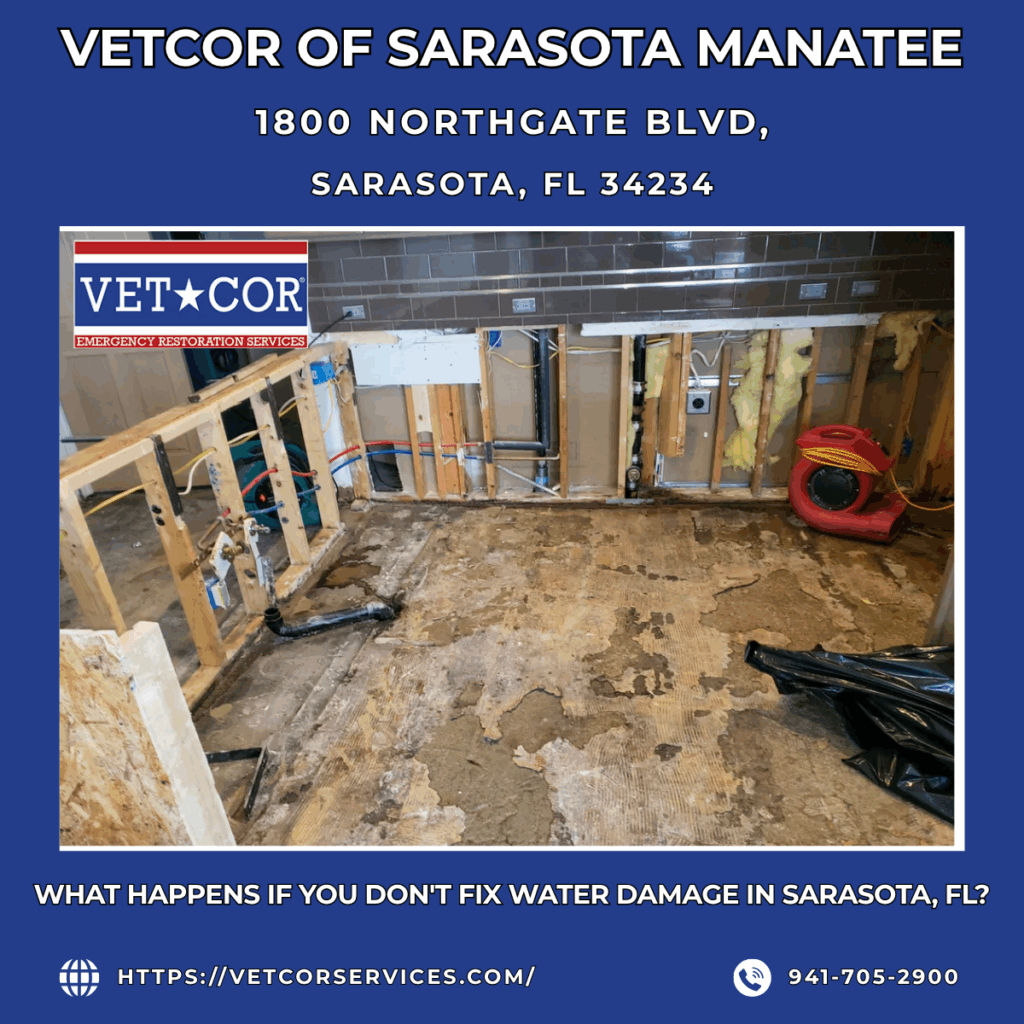
What Happens If You Don't Fix Water Damage in Sarasota, FL?
Why Addressing Water Damage in Sarasota Matters
Sarasota’s subtropical paradise comes with environmental challenges that every homeowner must take seriously. The city’s location along Florida’s Gulf Coast exposes properties to intense seasonal storms, hurricane threats, torrential summer rainfall, and persistent year-round humidity that hovers around 75%. These conditions create a perfect storm for water intrusion and damage that can devastate unprepared homes.
The reality for water damage in Sarasota, FL is that time is never on your side. Unlike drier climates where moisture might eventually evaporate, Sarasota’s humid air prevents natural drying and actually accelerates deterioration. What begins as a small leak or minor flooding event quickly escalates into major structural problems, toxic mold growth, and expensive repairs that could have been prevented with immediate action.
Understanding how Sarasota homes face water risks differently than properties in other regions is crucial for protecting your investment and your family’s wellbeing. The stakes are simply too high to delay addressing water damage in this coastal environment.
The Hidden Dangers of Unrepaired Water Damage
Water damage rarely announces its full extent immediately. Behind walls, beneath floors, and within structural cavities, water wages a silent war against your home’s integrity. The dangers of water damage in Florida multiply quickly in our climate, creating hazards that threaten both property and people.
Structural Damage Progression
Your home’s structural components weren’t designed to remain wet. When water penetrates building materials, it triggers a cascade of deterioration that accelerates with each passing day. Wood studs, beams, and joists absorb moisture, expanding initially before beginning the rot process. This biological decay weakens load-bearing structures, potentially leading to catastrophic failures.
Drywall transforms from a solid surface into a crumbling, unstable mess when saturated. It loses all structural value and becomes a breeding ground for mold within its porous interior. Floor systems suffer similarly—subfloors delaminate, hardwood warps beyond repair, and tile adhesives fail, creating safety hazards throughout your home.
Foundation damage represents the most expensive consequence of ignored water problems. In Sarasota’s sandy soil conditions, water creates voids and uneven settling that crack concrete, separate walls from foundations, and compromise your home’s entire structural system. Repairing foundation damage often costs $30,000 to $100,000 or more.
Electrical and Fire Hazards
Water and electricity create deadly combinations that every Sarasota homeowner must respect. When moisture reaches electrical wiring, it corrodes connections, shorts circuits, and creates serious fire risks. Outlets and switches exposed to water can deliver potentially fatal shocks to unsuspecting residents.
The humid Florida environment means water doesn’t simply dry up and disappear. Moisture lingers within wall cavities and electrical boxes, continuing to corrode metal components long after the initial water event. This creates ticking time bombs throughout your electrical system—hazards that may not manifest until someone flips a switch weeks later.
Appliances with water-damaged electrical systems pose additional dangers. Refrigerators, washing machines, and HVAC units with compromised wiring can malfunction violently, starting fires or causing electrical injuries. These risks multiply exponentially when water damage goes unaddressed.
Mold Growth and Indoor Air Quality Problems
If there’s one certainty about water damage in Sarasota, it’s that mold will follow. Florida’s warm temperatures and high humidity provide ideal conditions for explosive mold growth. Spores present everywhere in our environment simply await moisture to begin colonizing surfaces. Once water intrusion occurs, you have approximately 24-48 hours before mold after water damage in Sarasota becomes inevitable.
Mold doesn’t remain isolated to the initial water damage area. Spores become airborne, circulating through your HVAC system and settling throughout your entire home. Every breath you take pulls these contaminated particles into your lungs. The effects on air quality are immediate and severe, transforming your safe haven into a health hazard.
Health Risks from Mold Exposure
Mold exposure isn’t just unpleasant—it’s genuinely dangerous, especially for vulnerable populations. Children’s developing respiratory systems are particularly susceptible to mold-related illnesses. Elderly residents and anyone with compromised immunity face even greater risks.
Common health consequences of mold exposure include persistent respiratory infections, severe allergic reactions, chronic sinusitis, and asthma development or exacerbation. Many residents experience constant fatigue, headaches, difficulty concentrating, and general malaise without connecting these symptoms to mold contamination in their homes.
Long-term exposure to certain mold species produces mycotoxins that can cause serious neurological effects, immune system suppression, and chronic inflammatory conditions. For individuals with pre-existing respiratory conditions like COPD or asthma, mold exposure can trigger life-threatening episodes requiring hospitalization.
Cost of Mold Remediation in Sarasota
Once mold establishes itself in your home, removal requires professional intervention. Basic mold remediation for limited areas typically costs $2,000-$6,000. Extensive contamination affecting multiple rooms, HVAC systems, or structural components can easily exceed $30,000.
These costs represent pure loss—money spent that adds no value to your property. Worse, many insurance policies exclude mold remediation from coverage if the mold resulted from unaddressed water damage or neglected maintenance. Homeowners often find themselves paying these substantial costs entirely out-of-pocket.
Increased Restoration and Insurance Costs Over Time
The financial mathematics of water damage are unforgiving. Every hour that passes without proper remediation multiplies your eventual costs. A $500 plumbing repair ignored for a week becomes a $5,000 restoration project. Wait a month, and you’re looking at $20,000 or more in comprehensive repairs, mold remediation, and structural restoration.
Insurance companies understand these timelines and build requirements for immediate mitigation into their policies. When water damage occurs, policyholders have a duty to prevent further loss by taking reasonable action quickly. Failing this obligation can void coverage entirely, leaving homeowners responsible for all costs.
Water damage insurance claims in Sarasota, FL require meticulous documentation and swift professional response. Insurance adjusters investigate whether homeowners acted reasonably to minimize damage. Delays of even a few days can provide grounds for partial or complete claim denials. Professional Water Damage Restoration services understand these requirements and ensure proper documentation that protects your coverage.
Even when claims are approved, delayed action typically results in higher deductibles, premium increases, and potential policy non-renewal. In Florida’s challenging insurance market, maintaining favorable coverage requires demonstrating responsible property stewardship.
Lower Property Value & Real Estate Impacts
Water damage leaves permanent scars on your property’s value and marketability. Florida’s real estate disclosure laws mandate revelation of any known water damage, mold problems, or related issues to potential buyers. This transparency protects buyers but significantly impacts sellers’ negotiating positions.
Research consistently shows that property value water damage in Sarasota reduces home values by 10-30% depending on severity and remediation quality. Even professionally repaired damage triggers buyer concerns about hidden problems, future issues, and insurance complications.
Selling a home after water damage presents multiple obstacles. Modern home inspections use moisture meters, thermal imaging, and invasive testing that reveals water damage history even after repairs. Buyers’ lenders often require additional inspections and certifications when water damage is disclosed, adding complexity and potential deal-breaking requirements to transactions.
The reputation damage extends beyond individual sales. Properties with documented water problems often require price reductions of $20,000-$50,000 or more to attract buyers willing to assume perceived risks. In competitive markets, water-damaged homes simply sit unsold while comparable properties move quickly.
Common Causes of Water Damage in Sarasota
Understanding common causes of water damage in Sarasota, FL helps homeowners implement effective prevention strategies and recognize problems before they escalate.
Storm and Hurricane-Related Damage
Sarasota’s hurricane vulnerability represents the most dramatic water damage risk. These massive storm systems bring torrential rainfall, storm surge flooding, and destructive winds that tear off roofing materials and shatter windows. Even category 1 hurricanes can deliver devastating water intrusion.
Tropical storms and severe thunderstorms occur regularly throughout summer and fall, delivering inches of rain in hours. This overwhelms drainage systems, floods low-lying areas, and finds every weakness in your home’s envelope. Wind-driven rain penetrates gaps that remain watertight during normal conditions.
Plumbing and Roof Leaks
Aging plumbing infrastructure eventually fails. Copper pipes develop pinhole leaks from corrosion. PVC joints crack from thermal expansion. Supply lines to appliances burst without warning. These failures range from slow drips that damage over months to catastrophic ruptures releasing hundreds of gallons within minutes.
Sarasota’s intense sun, salt air, and temperature fluctuations degrade roofing materials aggressively. Asphalt shingles crack and curl. Tile roofs develop broken pieces and failing underlayment. Flat roof membranes crack and separate. Every weakness becomes a water entry point during rainfall.
Flashing—the metal trim around chimneys, vents, and roof valleys—corrodes and separates in coastal conditions, creating significant leak paths. Homeowners often remain unaware of these problems until water stains appear on interior ceilings, indicating damage has progressed substantially.
Appliance Malfunctions and AC Leaks
Modern homes depend on numerous water-using appliances with limited service lives. Water heaters typically last 8-12 years before catastrophic failure. Washing machine supply hoses burst unexpectedly. Dishwashers develop leaks around seals and valves. Refrigerator icemakers and water lines fail regularly.
Air conditioning systems pose unique risks in Florida’s climate. Running nearly continuously for 8-10 months annually, AC systems produce substantial condensation that must drain properly. Clogged condensate lines cause overflow that damages ceilings, walls, and flooring. Homeowners often discover these leaks only after extensive hidden damage has occurred.
Early Warning Signs and When to Call an Expert
Recognizing early indicators of water damage can save tens of thousands of dollars and prevent serious health consequences. Stay vigilant for these warning signs:
- Musty, earthy, or moldy odors that persist despite cleaning
- Visible water stains, discoloration, or dark spots on ceilings, walls, or floors
- Warped, buckling, or soft spots in flooring materials
- Peeling paint, bubbling wallpaper, or crumbling drywall
- Unexplained increases in water bills suggesting hidden leaks
- New or worsening allergy symptoms, respiratory issues, or headaches
- Sounds of dripping or running water when all fixtures are off
- Visible mold growth anywhere in your home
- Increased humidity levels or constant condensation on windows
Never adopt a “wait and see” approach when you notice these signs. Every day of delay allows damage to progress and costs to escalate. Call professional restoration experts immediately for assessment and remediation. Early intervention saves money, protects health, and preserves property value.
Step-by-Step: What to Do If Water Damage Occurs
When water damage strikes, your actions in the first hours determine the eventual cost and impact. Follow this critical sequence:
- Prioritize Safety: Before entering affected areas, ensure electrical safety. Turn off power to wet areas at your breaker panel if you can do so safely. Never enter standing water that may be electrically charged.
- Stop Water Source: Shut off the main water supply if the damage comes from plumbing failure. For roof leaks, place buckets to catch water and cover breaches with tarps if safe to access.
- Document Thoroughly: Before touching anything, photograph and video all damage from multiple angles. Include close-ups of water sources, affected materials, and damaged belongings. This documentation is essential for insurance claims.
- Contact Insurance Immediately: Call your insurance company’s claims department right away. Report the damage, ask about coverage specifics, and understand documentation requirements. Request claim numbers for reference.
- Begin Water Removal: Use towels, mops, or wet vacuums to remove standing water quickly. Move furniture with legs onto blocks or aluminum foil to prevent staining. Open windows if weather permits to increase ventilation.
- Engage Professional Restoration: Contact certified Water Damage Restoration specialists immediately. Professional services provide industrial water extraction equipment, commercial dehumidifiers, air movers, and moisture detection technology that ensures complete drying. Their expertise prevents mold growth and ensures thorough remediation that protects your health and property value.
- Remove Salvageable Items: Relocate furniture, electronics, documents, and personal belongings from affected areas to prevent additional damage and facilitate drying.
- Monitor Progress: Work with restoration professionals to track moisture levels and drying progress. Complete remediation requires verified readings showing materials have returned to normal moisture content.
Prevention Tips for Local Homeowners
Preventing water damage is exponentially more cost-effective than repairing it. Implement these Sarasota-specific strategies:
- Schedule professional roof inspections annually, ideally before June 1st hurricane season start
- Clean gutters and downspouts quarterly, ensuring water flows away from your foundation
- Install smart water leak detection systems that alert you immediately to problems
- Replace washing machine and dishwasher supply hoses every five years, upgrading to braided steel lines
- Service HVAC systems bi-annually with specific attention to condensate line cleaning and testing
- Inspect water heater tanks annually, replacing units approaching 10 years of age
- Test sump pumps monthly during rainy season if your property has one
- Maintain proper yard grading that slopes away from your foundation
- Install hurricane shutters or impact-resistant windows before storm season
- Trim trees and vegetation 6-10 feet from your home to minimize storm damage
- Consider installing a whole-house water shutoff system that activates when leaks are detected
FAQ: Sarasota Water Damage Risks & Restoration
How long before mold grows after water damage in Sarasota homes?
In Sarasota’s humid climate, mold begins growing within 24-48 hours of water exposure. The warm temperatures (averaging 75-85°F) and high humidity levels (70-75% average) create ideal conditions for rapid mold colonization. Some aggressive mold species begin developing within just 12 hours under optimal conditions. This extremely short timeline makes immediate professional water extraction and drying absolutely critical.
Is water damage covered by insurance in Sarasota, FL?
Coverage depends entirely on the water source and your policy type. Sudden, accidental events like burst pipes, appliance malfunctions, and roof damage from storms are typically covered under standard homeowners policies. However, gradual damage from neglected maintenance, seepage, or long-term leaks is usually excluded. Flood damage from storms, storm surge, or overflowing waterways requires separate flood insurance through NFIP or private carriers. Review your specific policy and contact your insurer immediately when damage occurs.
Can I clean water damage myself, or do I need a professional?
Minor water damage affecting small areas from clean water sources might be manageable for DIY cleanup if addressed within 1-2 hours. However, professional Water Damage Restoration is strongly recommended for any situation involving contaminated water (categories 2 or 3), water affecting structural materials like drywall or flooring, damage exceeding 10 square feet, or any situation where water has been present for over 24 hours. Professionals have specialized equipment including industrial extractors, commercial dehumidifiers, moisture meters, and thermal imaging that ensures complete drying impossible to achieve with consumer equipment.
What are the first signs of hidden water damage?
Hidden water damage often manifests through indirect indicators before becoming visible. Musty or earthy odors represent the most common early sign, indicating mold growth within walls or under floors. Unexplained allergy symptoms, persistent coughing, or headaches suggest mold exposure. Physical indicators include warped baseboards, buckled flooring, ceiling stains, peeling paint, or soft spots in walls. Increased humidity levels, constant window condensation, or unexplained water bill increases also suggest hidden leaks. Sounds of running water when fixtures are off indicate active leaks within walls or underground.
Will humidity in Sarasota make water damage worse?
Absolutely. Sarasota’s average relative humidity of 70-75% dramatically worsens water damage compared to drier climates. High ambient humidity prevents natural evaporation, keeping materials wet far longer and allowing water to penetrate deeper into porous materials. This extended wetness accelerates mold growth, increases structural deterioration, and expands the damage zone. The humid air itself provides little drying capacity, making professional dehumidification equipment essential for complete remediation. In dry climates, some water damage might naturally improve; in Sarasota, unaddressed water damage only gets worse.
Why Choose Professional Restoration for Sarasota Water Damage
When water invades your Sarasota home, selecting experienced, certified restoration professionals protects your investment and your family. Local expertise matters—professionals who understand Florida’s building codes, construction methods, and climate challenges provide superior results compared to national chains lacking regional knowledge.
Certified restoration technicians arrive with advanced equipment including truck-mounted water extractors, commercial-grade dehumidifiers, high-velocity air movers, moisture meters, thermal imaging cameras, and antimicrobial treatments. They understand moisture migration patterns in Florida’s concrete block construction and apply appropriate drying techniques for our climate.
Professional restoration companies maintain direct relationships with insurance providers, helping navigate complex claims processes, proper documentation, and coverage interpretations. They provide detailed moisture mapping, daily progress reports, and verified completion certificates that protect you from future liability.
Most importantly, professionals understand the urgency water damage requires in Sarasota’s environment. They respond 24/7 to emergencies because they know that every hour of delay multiplies damage and costs. Their systematic approach ensures complete remediation that prevents mold growth, preserves structural integrity, and maintains your property’s value.
Don’t gamble with your home and family’s wellbeing. When water damage strikes, trust certified professionals who understand what Sarasota properties need to stay dry, safe, and valuable for generations to come.
