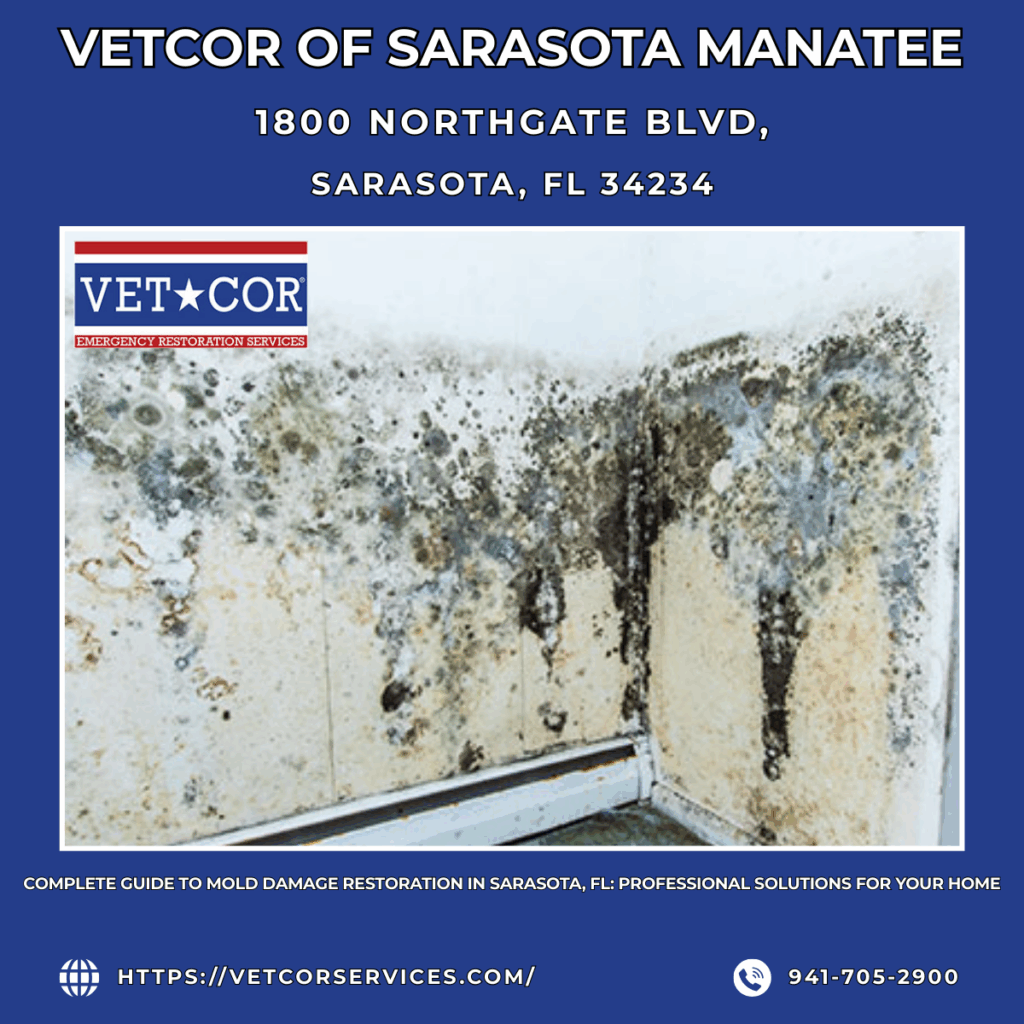
Complete Guide: Preventing Attic Mold in Sarasota Homes Year-Round
Why Mold Prevention is Critical in Sarasota’s Climate
Sarasota’s subtropical climate presents unique challenges for homeowners trying to maintain mold-free environments. With average humidity levels consistently above 60% and temperatures that rarely drop below comfortable ranges for mold growth, prevention becomes the most cost-effective strategy for protecting your home and family. Understanding how to proactively address the conditions that promote mold development can save thousands of dollars in remediation costs and prevent serious health complications.
The Gulf Coast location exposes Sarasota homes to frequent weather patterns that contribute to attic mold problems, including sudden thunderstorms, hurricane seasons, and persistent humidity from nearby water bodies. These environmental factors make year-round vigilance essential for maintaining healthy indoor air quality and structural integrity. Successful mold prevention requires a comprehensive approach that addresses moisture control, ventilation, and regular maintenance specific to Sarasota’s unique climate challenges.
Essential Ventilation Strategies for Sarasota Attics
Proper attic ventilation forms the foundation of effective mold prevention in Sarasota homes. The region’s consistently high humidity levels make it crucial to maintain continuous airflow that prevents moisture accumulation and temperature fluctuations that create condensation. A well-designed ventilation system should provide both intake and exhaust components that work together to create natural air circulation patterns.
Ridge vents installed along the roof’s peak work in combination with soffit vents under the eaves to create a natural convection effect that draws humid air out of the attic space. This system becomes particularly important during Sarasota’s summer months when temperature differentials between the attic and outside air are minimal. Powered exhaust fans can supplement natural ventilation when atmospheric conditions don’t provide sufficient air movement.
The key to successful attic ventilation in Sarasota lies in balancing intake and exhaust capacity. Insufficient intake vents can create negative pressure that draws conditioned air from living spaces, while inadequate exhaust capacity allows humid air to become trapped. Professional assessment can determine the optimal ventilation configuration for your specific roof design and local exposure conditions.
Humidity Control Technologies for Florida Homes
Managing humidity levels represents one of the most effective strategies for preventing attic mold growth in Sarasota’s challenging climate. Whole-house dehumidification systems can work in conjunction with existing HVAC equipment to maintain optimal humidity levels throughout your home, including attic spaces. These systems become particularly valuable during Florida’s wet season when outdoor humidity levels regularly exceed 80%.
Attic-specific dehumidifiers offer targeted moisture control for spaces that experience persistent humidity problems despite adequate ventilation. These units are designed to operate efficiently in the extreme temperature conditions common in Florida attics and can be integrated with existing electrical and drainage systems. Smart humidity monitoring systems provide real-time feedback on moisture levels and can automatically activate dehumidification equipment when predetermined thresholds are exceeded.
Vapor barriers and moisture-resistant insulation materials also play crucial roles in humidity control strategies. Properly installed vapor barriers prevent moisture migration from living spaces into attic areas, while moisture-resistant insulation maintains its effectiveness even in high-humidity conditions. The combination of active dehumidification and passive moisture control creates comprehensive protection against mold-promoting conditions.
Roof Maintenance and Leak Prevention
Sarasota’s frequent severe weather events make proactive roof maintenance essential for preventing the water intrusion that leads to attic mold problems. Regular inspections, particularly after thunderstorms and during hurricane season, can identify potential leak sources before they cause significant moisture damage. Professional roof assessments should include evaluation of shingles, flashing, gutters, and roof penetrations that commonly develop leaks over time.
Preventive maintenance strategies include annual professional inspections, quarterly gutter cleaning, immediate repair of damaged or missing shingles, and regular caulking of roof penetrations. The intense UV exposure in Sarasota can accelerate the deterioration of roofing materials, making more frequent maintenance necessary than in other climates. Investment in high-quality, UV-resistant roofing materials can reduce long-term maintenance requirements and improve leak resistance.
Gutters and downspouts require particular attention in Sarasota’s environment, where frequent rains can overwhelm inadequate drainage systems. Proper sizing, regular cleaning, and strategic placement of downspouts help ensure that rainwater is effectively directed away from the home’s foundation and roof structure. Leaf guards and gutter screens can reduce maintenance requirements while improving drainage efficiency during heavy rainfall events.
HVAC System Considerations for Mold Prevention
Air conditioning systems in Sarasota homes play a dual role in attic mold prevention, both as potential moisture sources and as tools for humidity control. Properly maintained HVAC equipment helps regulate humidity levels throughout the home while preventing the condensation that can occur around ductwork and equipment located in attic spaces. Regular maintenance and professional tune-ups ensure optimal performance and prevent moisture-related problems.
Ductwork insulation becomes particularly important in Sarasota’s climate, where temperature differentials between conditioned air and attic temperatures can create significant condensation potential. Properly insulated ducts prevent moisture formation while improving energy efficiency and system performance. Vapor barriers around ductwork provide additional protection against moisture accumulation in surrounding insulation and structural materials.
Air handler units located in attic spaces require special attention to prevent moisture problems that can lead to mold growth. Proper drainage systems, regular filter changes, and professional maintenance help ensure that these units operate efficiently without creating moisture issues. UV lights installed within HVAC systems can provide additional mold prevention by killing spores before they can establish colonies in ductwork or surrounding areas.
Insulation Best Practices for Mold Prevention
Selecting appropriate insulation materials and installation methods plays a crucial role in preventing attic mold growth in Sarasota homes. Traditional fiberglass insulation can become a breeding ground for mold when exposed to moisture, making moisture-resistant alternatives increasingly popular for Florida applications. Spray foam insulation provides both thermal performance and moisture barrier properties that help prevent mold-promoting conditions.
Proper installation techniques ensure that insulation materials perform as intended while preventing moisture accumulation that can lead to mold problems. Air sealing measures prevent conditioned air from migrating into attic spaces, reducing both energy costs and moisture infiltration. Professional installation ensures that insulation maintains its effectiveness over time and doesn’t create hidden moisture pockets that can support mold growth.
Regular inspection and maintenance of attic insulation help identify potential problems before they lead to mold infestations. Compressed, discolored, or damaged insulation may indicate moisture exposure that requires immediate attention. Professional Mold Damage Restoration services can assess insulation conditions and recommend replacement or remediation when necessary.
Seasonal Maintenance Schedules for Sarasota Homeowners
Developing and following a seasonal maintenance schedule helps ensure that all mold prevention systems continue operating effectively throughout Sarasota’s challenging climate cycles. Spring maintenance should focus on preparing for the upcoming wet season, including comprehensive roof inspections, gutter cleaning, and HVAC system tune-ups. This timing allows for repairs to be completed before severe weather season begins.
Summer maintenance emphasizes monitoring and maintaining ventilation and dehumidification systems during peak humidity periods. Regular checks of attic temperatures, humidity levels, and air circulation help identify potential problems before they lead to mold growth. This season also provides optimal conditions for addressing any ventilation deficiencies or equipment upgrades identified during spring inspections.
Fall preparations focus on weatherproofing and storm readiness, ensuring that all protective systems are functioning properly before hurricane season peaks. Winter maintenance, while less critical in Sarasota’s mild climate, provides opportunities for equipment servicing and planning for the following year’s preventive measures. Professional Mold Damage Restoration specialists can provide customized maintenance schedules based on your home’s specific needs and risk factors.
Professional Monitoring and Assessment Services
Regular professional assessments provide expert evaluation of your home’s mold prevention systems and identify potential improvements or maintenance needs. Professional mold inspectors have specialized equipment and training to detect early signs of moisture problems and mold development that homeowners might miss. These assessments can provide peace of mind and help prevent minor issues from developing into major problems.
Air quality testing and moisture monitoring services offer ongoing surveillance of your home’s conditions, providing early warning of potential mold problems. These services become particularly valuable for homeowners with health sensitivities or those who have experienced previous mold issues. Professional monitoring can identify subtle changes in air quality or moisture levels that indicate developing problems.
Comprehensive home energy audits often reveal moisture and ventilation issues that contribute to mold problems while also identifying opportunities for improved energy efficiency. These assessments can provide integrated solutions that address both comfort and mold prevention concerns. Investment in professional assessment services often pays for itself through prevented remediation costs and improved system efficiency.
Technology Solutions for Smart Mold Prevention
Modern technology offers increasingly sophisticated tools for monitoring and preventing mold growth in Sarasota homes. Smart sensors can continuously monitor temperature, humidity, and air quality conditions in attic spaces, providing real-time alerts when conditions favor mold development. These systems can integrate with home automation platforms to automatically activate ventilation or dehumidification equipment when needed.
Wireless monitoring systems allow homeowners to track attic conditions remotely and receive notifications of potential problems even when traveling. This capability becomes particularly valuable for seasonal residents or those who travel frequently during critical weather periods. Historical data logging helps identify patterns and trends that inform maintenance scheduling and system optimization.
Advanced HVAC controls can automatically adjust system operation based on humidity levels, outdoor conditions, and occupancy patterns to optimize both comfort and mold prevention. These systems learn from usage patterns and weather forecasts to proactively address conditions before they become problematic. Integration with professional Mold Damage Restoration monitoring services provides comprehensive protection and peace of mind.
Cost-Effective Prevention Strategies
Implementing effective mold prevention doesn’t require massive financial investment, but strategic spending on key systems and maintenance provides the best return on investment. Prioritizing ventilation improvements, regular maintenance, and moisture control typically provides more value than expensive emergency remediation projects. Understanding which prevention measures offer the greatest impact helps homeowners allocate resources effectively.
DIY maintenance tasks, such as regular gutter cleaning, visual inspections, and air filter changes, can significantly reduce professional service costs while maintaining system effectiveness. However, technical assessments, equipment installation, and complex repairs should generally be left to qualified professionals to ensure proper performance and safety.
Long-term financial planning for home maintenance should include provisions for mold prevention systems and regular professional services. The cost of prevention typically represents a fraction of the expense associated with major remediation projects, making consistent investment in preventive measures a sound financial strategy. Many prevention measures also provide additional benefits such as improved energy efficiency and indoor air quality that offer ongoing value beyond mold prevention.
Emergency Preparedness for Weather Events
Sarasota’s location makes homes vulnerable to severe weather events that can quickly create conditions favorable for mold growth. Emergency preparedness plans should include provisions for protecting attic spaces from water intrusion during storms and procedures for rapid response if water damage occurs. Having emergency contact information for restoration professionals and temporary protection materials readily available can minimize damage when emergencies occur.
Post-storm inspection protocols help identify potential moisture problems before they lead to mold growth. Understanding what to look for and when to call professionals can prevent minor storm damage from becoming major mold problems. Quick response to any water intrusion becomes critical in Sarasota’s warm, humid climate where mold growth can begin within 24-48 hours of moisture exposure.
Emergency dehumidification and drying equipment can provide temporary protection while permanent repairs are completed. Many restoration companies offer emergency services that include rapid deployment of professional-grade drying equipment and temporary moisture control systems. Having these resources identified and contact information readily available can significantly reduce the risk of mold development following weather-related damage.
Effective mold prevention in Sarasota requires understanding and addressing the unique challenges posed by the local climate while implementing comprehensive strategies that provide year-round protection. Success depends on combining proper system design, regular maintenance, professional assessment, and emergency preparedness into an integrated approach tailored to your home’s specific needs and risk factors.
