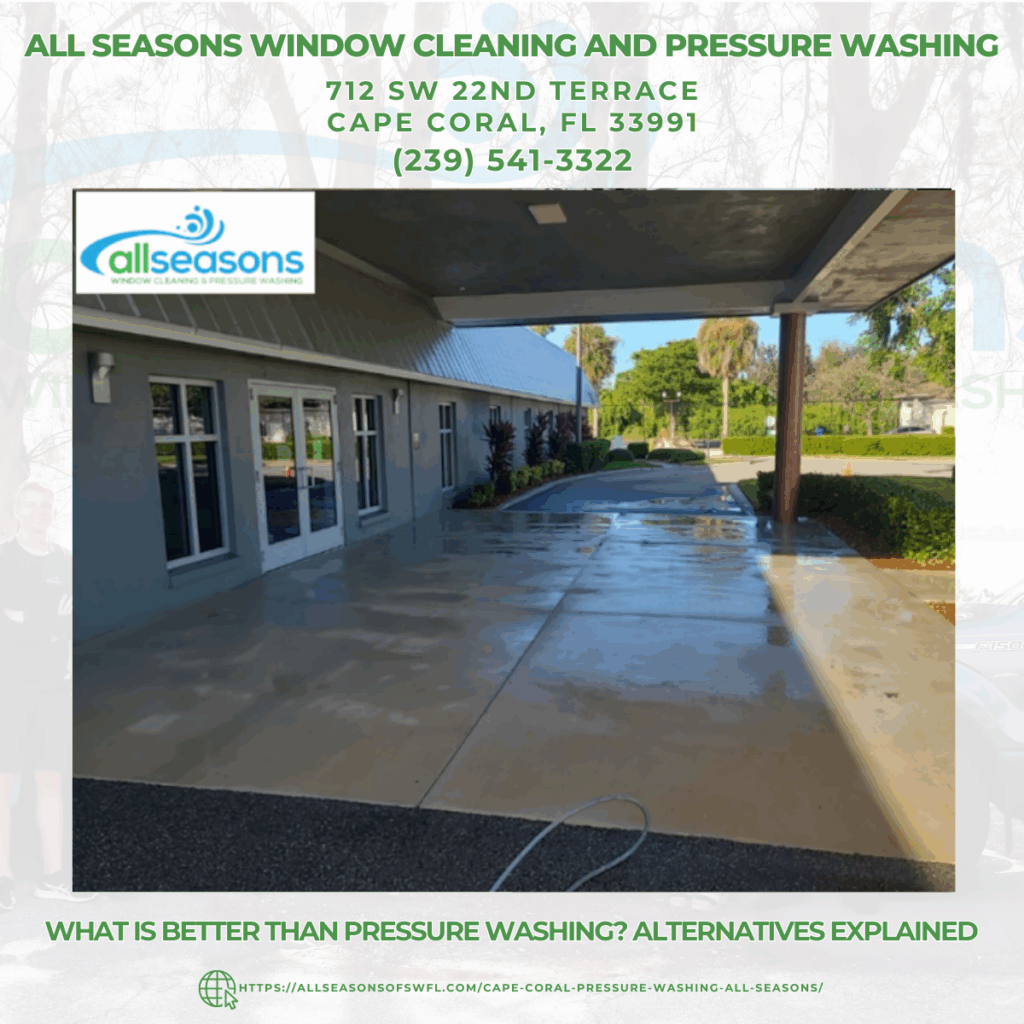
What Is Better than Pressure Washing? Alternatives Explained
Introduction – Why Consider Alternatives to Pressure Washing?
When it comes to exterior cleaning, pressure washing has long been considered the go-to solution for removing dirt, grime, and stains from various surfaces around your home. However, many homeowners and professional cleaners are discovering that alternatives to pressure washing can often provide superior results while minimizing risks and environmental impact.
Pressure washing uses high-pressure water streams to blast away contaminants, but this aggressive approach isn’t always the best choice. The pressure washing downsides include potential surface damage, excessive water consumption, safety hazards, and environmental concerns. Whether you’re dealing with delicate siding, historic surfaces, or simply want a more sustainable cleaning approach, exploring alternatives can lead to better outcomes for your property and peace of mind.
The growing awareness of these limitations has led to the development and refinement of various cleaning methods that can be more effective, safer, and environmentally responsible than traditional high-pressure techniques. Understanding these options empowers you to make informed decisions about maintaining your property’s exterior surfaces.
Common Risks and Drawbacks of Pressure Washing
Before exploring better alternatives, it’s crucial to understand the pressure washing risks that make other methods attractive. Surface damage represents one of the most significant concerns, as excessive pressure can strip paint, gouge wood, crack concrete, damage shingles, and force water behind siding where it can cause mold and structural issues.
The damage from pressure washing often isn’t immediately apparent but can lead to costly repairs down the line. Vinyl siding can crack or warp, wooden decks can splinter, and delicate surfaces like stucco can be permanently scarred. Even concrete, which seems durable, can develop pitting and surface erosion under high pressure.
Water waste is another major drawback, with typical pressure washers consuming 1,500 to 4,000 gallons per hour. This excessive consumption raises environmental concerns and can significantly impact your water bill. Additionally, the runoff often carries cleaning chemicals and contaminants into storm drains and local waterways.
Safety risks include serious injuries from the high-pressure stream, which can cut skin and cause severe wounds. Falls from ladders while operating pressure washers and electrical hazards from improper equipment use add to the danger. These risks make safer alternatives increasingly attractive for both DIY homeowners and professional cleaning services.
Soft Washing vs. Pressure Washing – Which is Better?
What Is Soft Washing?
Soft washing represents a revolutionary approach to gentle exterior cleaning that uses low-pressure water application combined with specialized biodegradable cleaning solutions. This soft washing method typically operates at pressures below 100 PSI, roughly equivalent to a garden hose with a spray nozzle, making it dramatically safer for delicate surfaces.
The process involves applying eco-friendly cleaning solutions that break down dirt, algae, mold, and other contaminants at the molecular level. These solutions do the heavy lifting that high pressure traditionally performed, allowing the gentle rinse to wash away loosened debris without surface damage. The gentle house washing approach is particularly effective for treating organic growth like algae and mildew that traditional pressure washing might only temporarily remove.
Pros and Cons of Soft Washing
The soft washing benefits significantly outweigh traditional pressure washing for most residential applications. Results last 4-6 times longer because the cleaning solutions eliminate organic growth at the root level rather than simply blasting it away. This thorough treatment prevents rapid regrowth, providing better long-term value.
Surface protection is another major advantage, as the gentle approach eliminates the risk of damage to paint, siding, shingles, and other vulnerable materials. The method is also safer for operators and more environmentally responsible when using biodegradable solutions.
However, soft wash drawbacks include higher upfront costs for specialized equipment and cleaning solutions. The process may take longer than pressure washing for heavily soiled surfaces, and some extremely stubborn stains might require additional treatment. Despite these minor limitations, most cleaning professionals and informed homeowners prefer soft washing for its superior results and safety profile.
Eco-Friendly Alternatives to Pressure Washing
Biodegradable Cleaners
Modern biodegradable exterior cleaners have revolutionized green cleaning alternatives by providing powerful cleaning action without environmental harm. These eco-friendly cleaning solutions break down naturally in the environment, reducing the impact on local ecosystems and groundwater.
Oxygen bleach-based cleaners effectively remove organic stains and discoloration while being safe for plants and pets. Enzyme-based solutions target specific contaminants like oil stains and organic matter, breaking them down at the molecular level. These green alternatives often work better than harsh chemicals while supporting environmental sustainability.
Steam Cleaning
Steam exterior cleaning represents the ultimate in no chemical cleaning methods, using superheated water vapor to sanitize and clean surfaces. This approach is particularly effective for removing grease, grime, and killing bacteria and mold spores without any chemical residue.
The high temperature of steam cleaning systems can reach 300°F, making them incredibly effective at breaking down contaminants. This method works exceptionally well on concrete, stone, and metal surfaces, providing thorough sanitization along with cleaning. The only byproduct is water vapor, making it the most environmentally friendly option available.
Manual and Low-Pressure Methods
Sometimes the most effective approach combines traditional scrubbing and brush cleaning techniques with low-pressure rinsing. This method allows for targeted treatment of problem areas while maintaining complete control over the cleaning process.
Soft-bristled brushes, scrapers, and specialized cleaning tools can address specific stains and buildup areas. When combined with appropriate cleaning solutions and gentle rinsing, this approach provides thorough cleaning while eliminating any risk of pressure damage. Though more labor-intensive, manual methods offer precision and safety that mechanical alternatives cannot match.
Surface-Specific Cleaning Alternatives
Roof Cleaning
Roof algae removal without pressure washing has become the industry standard for professional roof cleaning services. The dark stains commonly seen on asphalt shingles are typically caused by algae growth that feeding on limestone granules in the shingles.
Soft washing with zinc or copper sulfate-based solutions effectively eliminates this growth while being gentle on shingle surfaces. This approach prevents the granule loss and potential water infiltration that can result from pressure washing. The results last significantly longer than mechanical cleaning methods because the treatment addresses the root cause of discoloration.
Driveway and Patio Cleaning
Cleaning concrete without pressure washer opens up numerous effective alternatives that can provide superior results. Chemical cleaning with degreasers and concrete cleaners can remove oil stains, rust, and other stubborn contaminants that pressure alone cannot eliminate.
Hot water extraction, similar to carpet cleaning but designed for hard surfaces, can deep clean concrete pores and remove embedded dirt. This method is particularly effective for textured concrete surfaces where contaminants can hide in crevices. The combination of appropriate cleaning solutions and controlled water application often produces better results than high-pressure water alone.
Siding and Deck Cleaning
Safe deck cleaning and vinyl siding cleaning require careful consideration of material sensitivity and environmental impact. Wood decks benefit from specialized wood cleaners that remove gray weathering and prepare surfaces for staining without raising the grain or causing splintering that high pressure can create.
Vinyl siding responds excellently to soft washing techniques using mild detergents and controlled water application. This approach removes dirt, mildew, and chalking without the risk of cracking or forcing water behind the siding. The gentle method also preserves the siding’s protective coating and appearance.
When Pressure Washing Is Still the Best Option
Despite the advantages of alternative methods, there are specific scenarios when to use pressure washing remains the most practical choice. Heavy industrial contamination, paint removal for refinishing projects, and preparation of surfaces for coating applications may require the mechanical action that only high pressure can provide.
Commercial and industrial settings with extremely heavy soiling, grease buildup, or safety requirements may necessitate pressure washer uses where speed and mechanical action are priorities. Concrete surfaces with severe oil staining or graffiti removal projects often benefit from pressure washing when performed by experienced professionals with appropriate equipment and techniques.
Large commercial properties with extensive hard surfaces may also find pressure washing more cost-effective for routine maintenance, provided proper techniques and equipment are employed to minimize environmental impact and surface damage.
How to Choose the Right Cleaning Method for Your Needs
Selecting the optimal exterior cleaning approach requires careful consideration of multiple factors. Surface material, contamination type, environmental sensitivity, and budget all influence the choosing best exterior cleaning method decision.
This homeowner cleaning advice starts with surface assessment: identify the materials to be cleaned and their condition. Painted surfaces, aged siding, and soft materials typically benefit from gentler approaches, while durable surfaces with heavy contamination might handle more aggressive methods.
Consider the contamination type as well. Organic growth responds better to chemical treatment, while mechanical debris might require physical agitation. Environmental factors, including plant proximity, water restrictions, and local regulations, also influence method selection. Finally, evaluate long-term costs, as methods with higher upfront costs often provide better value through longer-lasting results and reduced surface damage.
FAQ – Better Than Pressure Washing
Is soft washing safer than pressure washing?
Yes, soft washing is significantly safer than traditional high-pressure methods. The low-pressure application eliminates the risk of surface damage, water infiltration, and operator injury. The biodegradable cleaning solutions used in soft washing are also safer for surrounding vegetation and groundwater compared to the harsh chemicals sometimes used with pressure washing.
Are there natural cleaning alternatives for home exteriors?
Absolutely! Natural cleaning alternatives include white vinegar solutions for mildew and mineral deposits, baking soda pastes for stain removal, and oxygen bleach for organic stain treatment. Steam cleaning uses only water, making it the most natural option available. These methods can be highly effective while being completely environmentally safe.
Will eco-friendly methods clean as well as pressure washing?
In many cases, eco-friendly methods provide superior cleaning results compared to pressure washing alone. Chemical action from biodegradable cleaners can remove stains that water pressure cannot touch, while soft washing prevents the rapid recontamination that often follows pressure washing. The combination of appropriate cleaning chemistry and gentle application typically produces longer-lasting results.
Which method is best for delicate surfaces?
Soft washing is generally the best choice for delicate surfaces like painted siding, wooden decks, asphalt shingles, and stucco. The low pressure and appropriate cleaning solutions provide thorough cleaning without surface damage. For extremely delicate historical surfaces, manual cleaning with appropriate solutions may be the safest approach.
When should pressure washing be avoided?
Avoid pressure washing on painted surfaces, wooden siding, asphalt shingles, older concrete, stucco, and any surface showing signs of deterioration. Also avoid pressure washing when environmental concerns exist, such as proximity to water sources or sensitive vegetation. If surface damage risk outweighs cleaning benefits, alternative methods should be chosen.
Conclusion – Making Your Exterior Cleaning Choice
The exterior cleaning summary reveals that alternatives to traditional pressure washing often provide superior results with reduced risks and environmental impact. While pressure washing has its place in specific applications, the advancement of soft washing, steam cleaning, and specialized chemical treatments has created better options for most residential cleaning needs.
Your cleaning method decision should prioritize surface safety, environmental responsibility, and long-term results over short-term convenience. The initial investment in proper cleaning methods pays dividends through extended surface life, better appearance retention, and reduced environmental impact.
Whether you choose soft washing for its gentle effectiveness, steam cleaning for its chemical-free approach, or manual methods for precision control, the key is matching the method to your specific needs and circumstances. By understanding these alternatives, you can make informed decisions that protect your property investment while achieving superior cleaning results.
