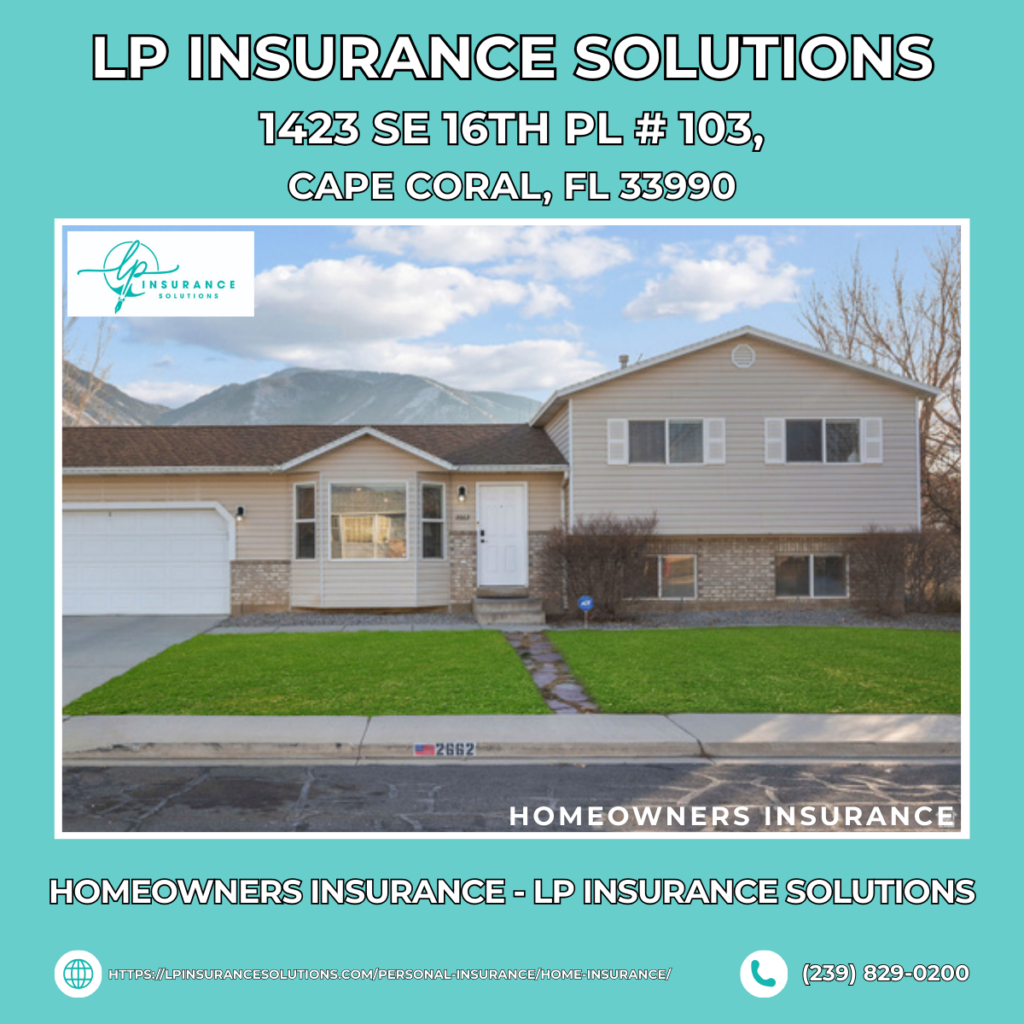
Homeowners Insurance - LP Insurance Solutions
What Is Homeowners Insurance?
Understanding what homeowners insurance explained means starts with recognizing it as a comprehensive protection plan for your property and financial wellbeing. This insurance product combines multiple coverages into one policy, defending against property damage, theft, and legal liability. For most Americans, their home represents their largest financial investment, making this coverage indispensable for protecting that asset and their family’s security.
The importance of this insurance extends beyond just protecting bricks and mortar. It provides financial compensation when unexpected disasters strike, preventing a single event from wiping out years of equity and savings. What does homeowners insurance cover? The answer includes structural damage, personal belongings, liability claims, and even temporary relocation costs when your home is uninhabitable.
Who needs homeowners insurance? Anyone with a mortgage definitely requires it, as lenders mandate coverage to protect their collateral. However, even homeowners who’ve paid off their mortgages should maintain policies to avoid catastrophic financial losses. This protection proves essential whether you own a single-family house, townhome, or condominium.
Types of Homeowners Insurance Coverage
Dwelling Coverage
The cornerstone of types of homeowners insurance is dwelling coverage, which protects your home’s structure against covered perils. This encompasses the house itself, attached structures, and built-in components like cabinets and flooring. When storms, fires, or other disasters damage these elements, your policy funds repairs or complete reconstruction based on your coverage limits.
Dwelling coverage calculations should reflect replacement costs in your area, not your home’s market value or mortgage balance. Construction costs fluctuate regionally and over time, so periodic reassessment ensures adequate protection. This coverage typically excludes land value since earth can’t be destroyed, focusing solely on what sits atop it.
Personal Property Coverage
Beyond the structure, your possessions need protection through personal property coverage. This component insures furniture, appliances, clothing, electronics, and other belongings against theft, damage, or destruction. Coverage extends to items both inside your home and temporarily away from it, such as luggage during travel.
Standard policies limit coverage for certain high-value items like jewelry, art, or collectibles. Homeowners with expensive possessions should consider scheduled personal property endorsements that provide higher limits and broader protection. When documenting belongings for claims, detailed inventories with photos or videos prove invaluable for substantiating losses.
Liability Coverage
Liability insurance shields you from financial ruin when someone is injured on your property or you’re held responsible for property damage or injury. This coverage handles legal defense costs, medical bills, and settlements or judgments against you. Given today’s litigious society and potentially astronomical jury awards, liability protection is critically important.
Standard policies provide $100,000 to $300,000 in liability coverage, but financial advisors often recommend higher limits, especially for wealthier households. Umbrella policies can supplement your base coverage, offering millions in additional protection for relatively low premiums. This safeguard applies whether someone trips on your sidewalk or your child accidentally breaks a neighbor’s window.
Additional Living Expenses
When covered damage renders your home uninhabitable, additional living expenses coverage maintains your lifestyle during repairs. This benefit reimburses hotel stays, restaurant meals, laundry services, and other costs exceeding your normal living expenses. Coverage continues until your home is repaired or you’ve reached your policy’s time or dollar limit.
This component provides crucial financial breathing room during already stressful situations. Without it, homeowners face depleting savings while simultaneously managing mortgage payments and temporary housing costs. Most policies cover ALE for 12-24 months or up to 20-30% of your dwelling coverage amount.
How Much Does Homeowners Insurance Cost?
Factors Affecting Premiums
Multiple variables determine the average homeowners insurance cost for your specific situation. Geographic location significantly impacts pricing—coastal areas face hurricane risks while the Midwest deals with tornadoes, both increasing premiums. Urban crime rates, proximity to fire protection, and local construction costs all factor into your quote.
Your home’s characteristics matter too. Age, construction type, square footage, and condition influence risk assessments. Homes with updated systems, impact-resistant roofing, or storm shutters often qualify for discounts. Your personal factors like credit score, claims history, and selected deductible complete the pricing equation.
The coverage amount you choose directly affects costs—higher limits mean higher premiums. However, underinsuring to save money creates false economy since inadequate coverage leaves you financially vulnerable. Deductible selection offers the most straightforward cost control: higher deductibles reduce premiums but increase out-of-pocket expenses during claims.
Ways to Save on Home Insurance
Numerous strategies help you save on home insurance without sacrificing essential protection. Multi-policy discounts reward bundling home and auto insurance with one carrier, potentially saving 15-25%. Security enhancements like alarm systems, deadbolts, and smart home devices earn safety discounts while actually improving your security.
Maintaining an excellent claims history keeps your premiums low—consider paying minor damages out-of-pocket rather than filing small claims. Annual policy reviews with your agent identify outdated information or missed discount opportunities. Shopping competitors’ rates every few years ensures you’re getting competitive pricing, though consider service quality alongside cost.
Raising your deductible from $500 to $1,000 or higher significantly reduces premiums. Setting aside the difference in a savings account creates an emergency fund for claims while lowering annual costs. Ask about lesser-known discounts for being claim-free, a loyal customer, a retiree, or affiliated with certain professional organizations.
How to Choose the Best Homeowners Insurance
What to Look for in a Policy
Selecting the best homeowners insurance requires evaluating coverage comprehensiveness, company reputation, and cost. Begin by determining appropriate coverage limits based on your home’s replacement cost and belongings’ value. Confirm the policy offers replacement cost coverage rather than actual cash value, which accounts for depreciation.
Examine exclusions carefully—standard policies don’t cover floods, earthquakes, or maintenance issues. Consider whether you need additional endorsements for high-value items, home-based businesses, or specific risks in your area. Evaluate deductible options balancing premium savings against affordable out-of-pocket costs during claims.
Research the insurer’s financial strength through rating agencies to ensure they can pay claims. Review customer satisfaction scores and complaint ratios through your state insurance department. The cheapest policy isn’t always best if the company provides poor service or disputes legitimate claims.
Top Insurance Providers
When choosing homeowners insurance, consider both national carriers and regional companies. Large national insurers offer extensive resources, digital tools, and widespread agent networks. Regional companies may provide more personalized service and better understanding of local risks and building costs.
Evaluate insurers based on financial stability ratings, customer service reviews, claims handling reputation, and coverage options. Companies offering 24/7 claims reporting, online policy management, and extensive contractor networks provide convenience during stressful situations. The ideal provider balances comprehensive coverage, competitive pricing, responsive service, and financial reliability.
Common Homeowners Insurance Myths
Debunking homeowners insurance myths prevents costly misunderstandings. A prevalent misconception suggests policies cover all damage types, but standard coverage excludes floods, earthquakes, and gradual damage like mold or termites. These require separate policies or endorsements.
Many believe homeowners insurance misconceptions about market value coverage—policies actually cover replacement costs, which may differ substantially from your home’s sale price. Another myth claims all personal property is fully covered, but policies impose limits on jewelry, art, and other high-value items requiring additional coverage.
Some assume filing any claim is consequence-free, but multiple claims can raise premiums or cause cancellation. Others believe home-based businesses are automatically covered, though most policies exclude or severely limit business-related losses. Don’t assume your insurance follows you everywhere—while liability extends beyond your property, coverage details vary.
FAQs About Homeowners Insurance
What does homeowners insurance cover?
Homeowners insurance covers structural damage from named perils like fire, windstorms, hail, lightning, and theft. It protects personal belongings, provides liability coverage when others are injured on your property, and pays additional living expenses during displacement. Standard policies exclude floods, earthquakes, routine maintenance, and wear and tear.
How much homeowners insurance do I need?
Your homeowners insurance coverage should equal your home’s replacement cost, not market value. Include enough personal property coverage to replace belongings and liability protection of at least $300,000, preferably $500,000 or more. Create a home inventory and consult with agents to determine precise needs based on your circumstances and assets.
Can I change my homeowners insurance provider?
Absolutely—you can switch homeowners insurance providers anytime, though timing the change with your policy renewal simplifies the process. Compare quotes annually to ensure competitive rates. When switching, start your new policy before canceling the old one to maintain continuous coverage, and notify your mortgage lender of the change immediately.
