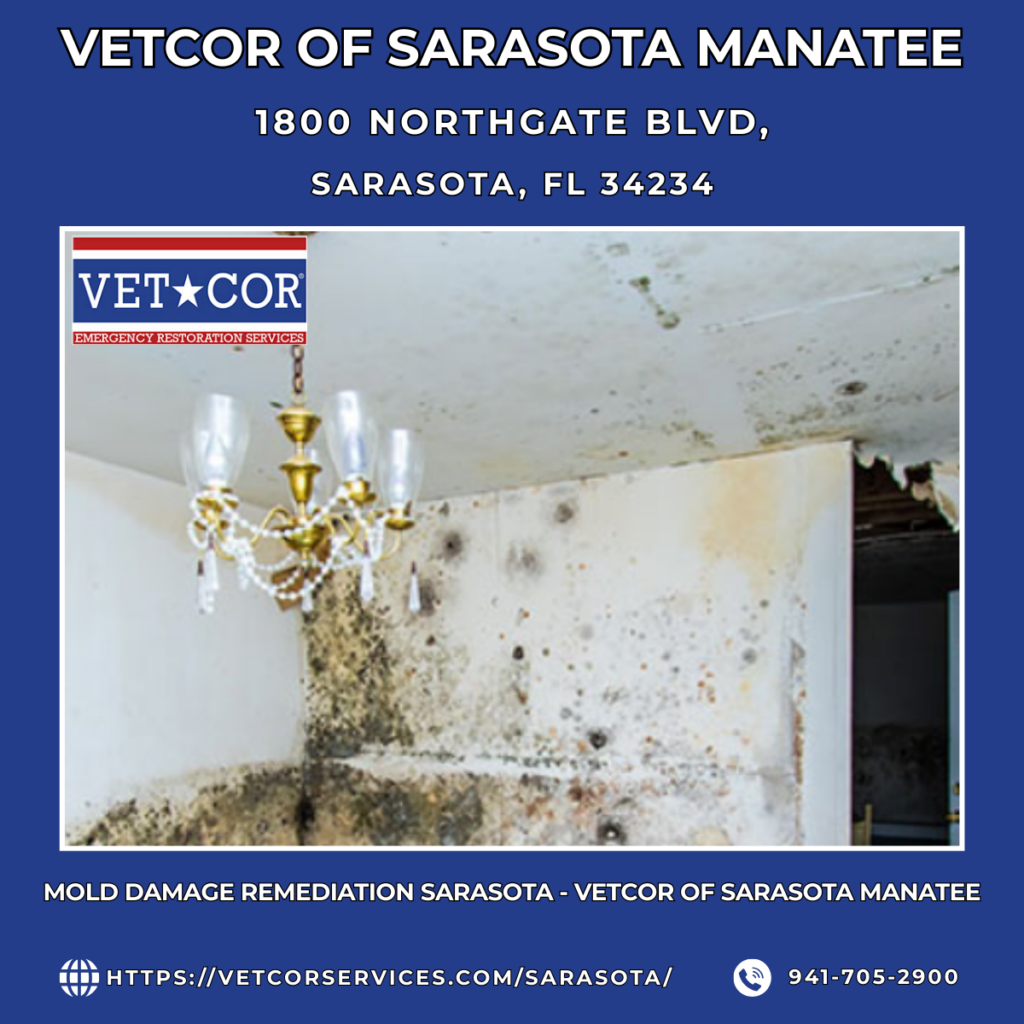
Mold Damage Remediation Sarasota - VetCor of Sarasota Manatee
Introduction to Mold Issues in Sarasota
The subtropical climate of Sarasota presents unique challenges for maintaining mold-free environments in residential and commercial properties. Excessive humidity causes growth post-water damage at an alarming rate, with ideal conditions for fungal colonization existing year-round. Average humidity levels exceeding 70 percent create persistent moisture that penetrates building materials and creates perfect breeding grounds for various mold species. Property owners frequently discover mold problems following tropical storms, hurricane damage, or simple plumbing failures that introduce water into structural cavities. Professional mold remediation Sarasota specialists understand that the region’s climate demands vigilant moisture control and rapid response to water intrusion events. The combination of warm temperatures and high humidity means that mold removal Sarasota services stay consistently busy addressing both emergency situations and chronic moisture problems. Unlike drier climates where occasional moisture events pose minimal risk, Sarasota’s environment accelerates mold establishment from hours to days rather than weeks.
Signs and Health Risks of Mold Damage
Identifying mold damage Sarasota requires attention to both visible indicators and health symptoms experienced by building occupants. Common visual signs include fuzzy or slimy patches in various colors ranging from black and green to white and orange. Texture changes on walls, such as bubbling paint or crumbling drywall, often indicate hidden moisture and mold growth. Black mold symptoms affect individuals differently based on sensitivity levels and exposure duration. Respiratory distress including shortness of breath, persistent coughing, and sinus congestion frequently develop in contaminated environments. Skin irritation manifests as rashes, hives, or generalized itching in sensitive individuals. Cognitive effects like difficulty concentrating, memory problems, and chronic fatigue may indicate prolonged exposure to mycotoxins produced by certain mold species. Inspection needs become critical when occupants report worsening allergy symptoms or when musty odors persist despite regular cleaning. Children and elderly individuals face heightened risks from mold exposure due to developing or compromised immune systems. Professional assessment becomes essential when visible growth covers areas larger than three feet by three feet or when health symptoms correlate with time spent in specific locations.
Our Complete Mold Remediation Process
Comprehensive Mold Damage Remediation Sarasota services follow established protocols that ensure complete eradication and prevent future recurrence. The mold remediation process Sarasota initiates with detailed inspection using advanced diagnostic equipment including thermal imaging cameras that detect temperature variations indicating moisture presence. Air sampling identifies mold species present and establishes baseline contamination levels for post-remediation verification testing. Containment measures prevent cross-contamination by isolating work areas with heavy plastic sheeting sealed with specialized tape. Negative air machines equipped with HEPA filters maintain pressure differentials that prevent airborne spores from migrating to clean areas. Personal protective equipment including respirators, full-body suits, and gloves protect technicians during removal activities. Contaminated materials undergo careful removal and bagging before transport through decontamination chambers. HEPA vacuuming removes settled spores from all surfaces within the containment area. Wire brushing and scrubbing with antimicrobial solutions treat salvageable structural materials. Final clearance testing confirms successful remediation before reconstruction begins.
Water Extraction and Drying
Effective treatment of mold after water damage Sarasota demands immediate moisture removal as the critical first step in comprehensive remediation. Powerful extraction equipment removes gallons of standing water per minute from affected spaces, preventing deeper penetration into porous materials. Strategic placement of air movers creates airflow patterns that maximize evaporation from wet surfaces. Commercial-grade dehumidifiers continuously remove moisture from ambient air, reducing relative humidity to levels that halt mold growth. Moisture mapping throughout the drying process documents progress and identifies stubborn wet spots requiring additional attention. Hidden moisture in wall cavities may require selective demolition to expose wet materials to drying equipment. The drying process prevents regrowth by eliminating the water that mold requires for metabolism and reproduction. Without adequate drying, surviving mold spores remain dormant until moisture levels rise, triggering rapid recolonization. Professional drying typically achieves complete moisture removal within three to seven days depending on materials affected and environmental conditions. Verification with moisture meters ensures all materials reach acceptable dryness levels before reconstruction.
Antimicrobial Treatments
Professional antimicrobial applications form a crucial component of effective Mold Damage Remediation Sarasota programs. These specialized chemicals kill spores on contact and provide residual protection against future colonization attempts. Antimicrobials penetrate porous surfaces to address mold growth within materials rather than only treating visible surface contamination. Application methods including spraying, fogging, and direct application ensure comprehensive coverage of all affected surfaces. The mold cleaning Sarasota process incorporates antimicrobials rated for specific material types to ensure effectiveness without causing damage. Wood treatments differ from those applied to concrete or metal surfaces to account for porosity and chemical compatibility. Encapsulants applied after antimicrobial treatment seal treated surfaces and prevent disturbed spores from becoming airborne during reconstruction. HVAC system treatment prevents ductwork from harboring spores that could recontaminate treated spaces. Multiple antimicrobial applications may be necessary for severe contamination to ensure complete eradication. Professional products demonstrate superior efficacy compared to consumer-grade mold killers available at retail stores.
Residential vs Commercial Mold Services
Residential mold remediation Sarasota addresses unique challenges present in single-family homes, condominiums, and apartments where families live and children play. Technicians prioritize occupant safety by establishing clear communication about containment procedures and any necessary temporary relocation. Work scheduling accommodates family routines to minimize disruption to daily activities. Residential projects commonly address bathroom mold around showers and tubs, kitchen moisture problems near sinks and dishwashers, and attic contamination from roof leaks. Commercial mold remediation tackles larger facilities including office buildings, retail spaces, restaurants, and industrial properties. Business continuity concerns often drive expedited timelines to minimize revenue loss from facility closures. Commercial projects may involve multiple floors, complex building systems, and coordination with facility management teams. Documentation requirements differ significantly, with commercial clients typically requiring detailed reports for insurance purposes, regulatory compliance, and stakeholder communication. Both service types demand certified technicians and proper equipment, but commercial projects often require larger crews and more extensive containment systems due to square footage involved.
Mold Prevention in Sarasota Homes
Proactive strategies to prevent mold Sarasota help property owners avoid costly remediation and protect occupant health through environmental controls. Maintaining indoor relative humidity between 30 and 50 percent using quality dehumidifiers creates conditions inhospitable to mold growth. Installing and regularly using exhaust fans in bathrooms during showers removes moisture-laden air before condensation occurs. Kitchen ventilation eliminates cooking moisture and prevents accumulation on cabinets and ceiling surfaces. Regular HVAC maintenance ensures proper system operation and prevents moisture accumulation in ductwork that can spread spores throughout buildings. Promptly addressing leaks in roofs, windows, pipes, and appliances prevents water intrusion that triggers mold establishment. Proper landscape grading directs rainwater away from foundations, preventing seepage into basements and crawl spaces. Regular gutter cleaning ensures proper drainage and prevents overflow that can saturate walls. Using mold-resistant drywall and paint in moisture-prone areas provides additional protection. Adequate attic ventilation prevents warm, humid air from condensing on cooler surfaces. Monitoring indoor humidity with hygrometers allows proactive dehumidifier operation before moisture levels reach problematic ranges.
Costs for Mold Remediation Services
Multiple factors influence mold removal cost Sarasota, making professional assessment essential for accurate budgeting. Small remediation projects affecting areas under 10 square feet may range from 500 to 2,000 dollars depending on location accessibility and material types involved. Medium-scale projects spanning 10 to 100 square feet typically cost 2,000 to 4,500 dollars including containment, removal, and antimicrobial treatment. Extensive contamination exceeding 100 square feet or involving multiple rooms can reach 5,000 to 15,000 dollars or more. Size and severity factors dramatically impact final costs, with hidden mold behind walls requiring demolition that increases labor and material expenses. Black mold species may necessitate more stringent safety protocols and specialized treatments that elevate costs. HVAC system contamination adds 1,000 to 5,000 dollars to remediation expenses depending on system complexity. Post-remediation testing to verify successful treatment adds 300 to 800 dollars but provides valuable documentation for insurance claims and peace of mind. Some Mold Damage Remediation Sarasota companies offer financing options for extensive projects. Insurance coverage varies widely, with some policies excluding mold entirely while others cover remediation resulting from sudden, accidental water damage events.
Before & After Mold Remediation
Compelling mold remediation before after Sarasota case studies illustrate the remarkable transformations achieved through professional intervention. Documentation typically includes photographs, air quality test results, and moisture readings that quantify improvements. One residential project revealed extensive black mold covering 60 percent of a master bathroom following a slow plumbing leak. Before photos showed severely discolored walls, damaged cabinetry, and visible fungal growth across the ceiling. Air quality testing detected elevated spore concentrations at 15,000 spores per cubic meter compared to outdoor levels of 500 spores per cubic meter. After comprehensive remediation including complete bathroom gutting, antimicrobial treatment, and reconstruction, the space appeared pristine with air quality readings below outdoor ambient levels. A commercial case study documented warehouse contamination affecting over 200 square feet following roof leak damage. Before treatment, visible growth covered walls and merchandise, rendering portions of the facility unusable. Professional remediation restored full functionality within two weeks, with final clearance testing confirming successful treatment. These transformations demonstrate why professional services deliver superior outcomes compared to DIY attempts that often spread contamination or fail to address underlying moisture issues.
