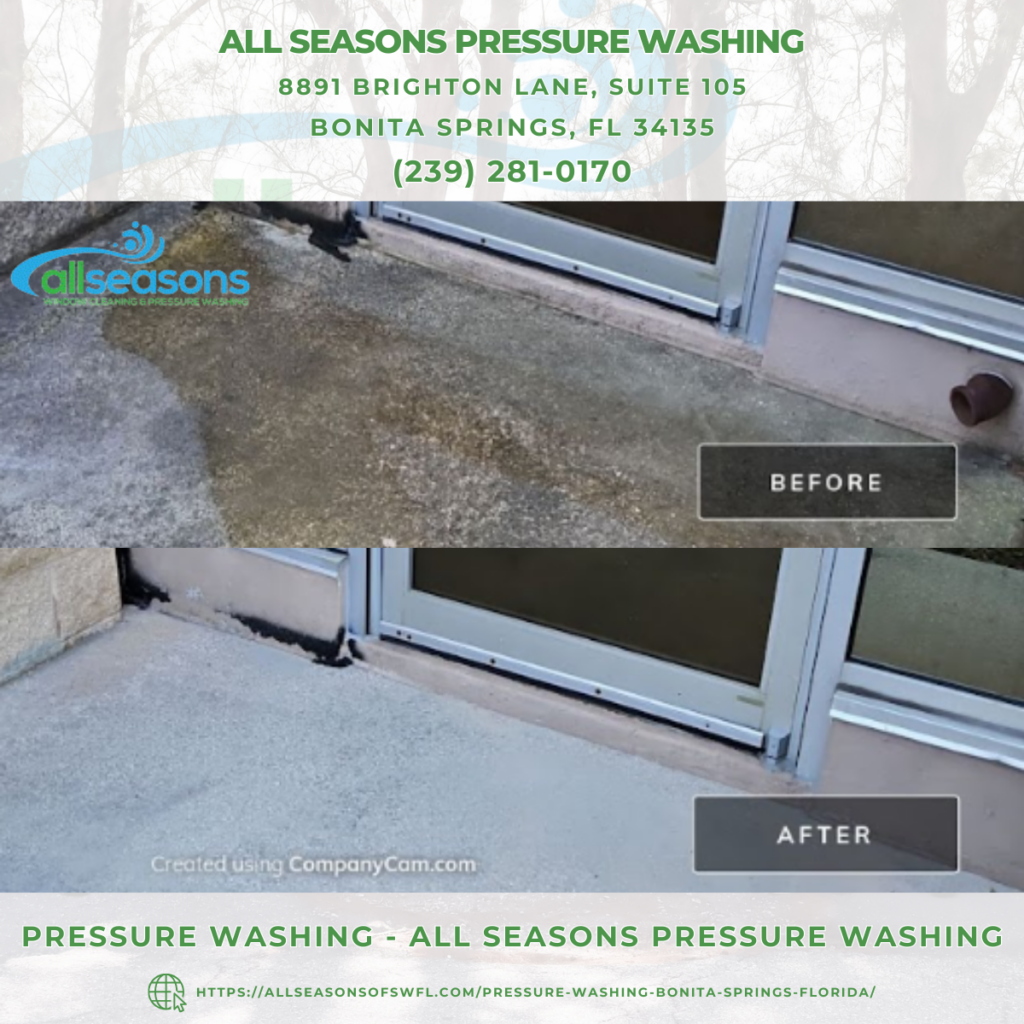
Pressure Washing - All Seasons Pressure Washing
A Homeowner’s Overview of Pressure Washing
Every homeowner faces the challenge of maintaining their property’s exterior appearance and structural integrity. This pressure washing guide provides essential information for pressure washing for homeowners seeking effective solutions to combat dirt, grime, and environmental damage. Understanding the fundamentals of high-pressure cleaning empowers you to make smart choices about when to clean, what methods to use, and whether professional assistance makes sense for your situation. From basic techniques to advanced considerations, this comprehensive overview ensures you have the knowledge needed to keep your property in exceptional condition while maximizing your investment and minimizing potential problems down the road.
Top Benefits of Pressure Washing Your Property
The benefits of pressure washing extend across multiple dimensions of property ownership and home maintenance. First and foremost, regular cleaning dramatically boosts curb appeal, making your home stand out in the neighborhood and creating positive first impressions for visitors and potential buyers. This enhanced appearance directly correlates with increased property value, as homes with well-maintained exteriors consistently appraise higher than comparable properties with neglected facades. Safety represents another crucial benefit—removing slippery algae, mold, and mildew from walkways and decks prevents dangerous falls and creates healthier living conditions by eliminating allergens and contaminants. Pressure washing also serves as preventive maintenance, identifying potential issues like rotting wood or damaged siding before they become expensive repair projects, ultimately saving thousands in renovation costs.
Common Areas That Need Pressure Washing
Driveways and Walkways
These heavily used surfaces bear the brunt of vehicle traffic, foot traffic, and weather exposure, resulting in accumulation of oil stains, rust marks, tire residue, and organic growth. Professional pressure washing removes these stubborn contaminants that regular hosing cannot touch, restoring the clean appearance that welcomes guests and maintains your home’s professional presentation. Proper cleaning also prevents concrete degradation and extends the lifespan of expensive paved surfaces.
Siding and Gutters
Exterior siding materials collect years of atmospheric pollutants, pollen, insect nests, and water stains that diminish your home’s beauty. Different siding types require specific pressure levels and techniques—vinyl withstands moderate pressure, while wood and stucco demand gentler approaches to avoid damage. Gutters accumulate leaves, dirt, and moisture that create perfect breeding grounds for mold and can overflow, causing foundation problems and landscape erosion if left unaddressed.
Decks, Patios, and Fences
Outdoor recreational areas suffer constant exposure to moisture, UV rays, and organic debris that lead to unsightly discoloration and structural weakening. Wood decking requires careful cleaning to remove gray weathering and prepare surfaces for protective stains and sealers that prevent rot. Stone and concrete patios develop stubborn stains from furniture, grills, and plant materials that only pressure washing can effectively remove, while fences need periodic cleaning to maintain their protective and aesthetic functions.
DIY Pressure Washing vs Hiring a Pro
Weighing the merits of DIY pressure washing against professional pressure washing requires honest assessment of your skills, time, and risk tolerance. DIY projects appeal to budget-conscious homeowners, with equipment rentals and purchases ranging from affordable to moderate investment levels. However, inexperience often leads to problems including surface damage from excessive pressure, inconsistent cleaning results, wasted time troubleshooting equipment issues, and potential injuries from mishandling powerful machinery. Professional services eliminate these concerns by providing trained technicians who understand surface-specific requirements, own commercial equipment that completes jobs efficiently, carry insurance protecting you from liability, and guarantee their work quality. Professionals also have access to specialized cleaning solutions and techniques that produce superior results compared to basic rental equipment.
How Often Should You Pressure Wash?
Determining how often to pressure wash depends on environmental factors unique to your location and property characteristics. Standard recommendations suggest annual cleaning for most residential properties in temperate climates, but this frequency adjusts based on specific conditions. Homes surrounded by trees experience more organic debris and may require cleaning every 6-9 months. Properties in humid regions battle constant mold and mildew growth, benefiting from twice-yearly treatments. Coastal locations face salt spray corrosion demanding more frequent attention. Monitor your home’s appearance and clean when you notice visible dirt buildup, green algae streaks, or black mold spots rather than adhering strictly to calendar schedules. High-traffic areas like entryways and garage approaches may need spot cleaning between comprehensive whole-house sessions.
Pressure Washing Safety Tips
Practicing proper pressure washing safety protects both you and your property from harm. Always read equipment manuals thoroughly before operation and understand the relationship between PSI ratings and appropriate applications. Start every project using wide-angle nozzles at low pressure, testing inconspicuous areas before proceeding to visible surfaces. Maintain consistent distance from cleaning surfaces—getting too close causes damage while staying too far reduces effectiveness. Essential protective equipment includes impact-resistant safety glasses, waterproof gloves, non-slip footwear, and long sleeves to guard against spray deflection. Never work alone on large projects, avoid pressure washing in windy conditions that affect control, and stay clear of electrical components, outdoor outlets, and meter boxes. Ladder use while pressure washing creates serious fall hazards and should be avoided whenever possible.
Selecting the Right Pressure Washing Company
Finding qualified pressure washing professionals requires due diligence and careful evaluation of credentials and reputation. Start by verifying current insurance certificates including both general liability and workers’ compensation policies that protect your property and shield you from injury claims. Check for professional affiliations and certifications demonstrating commitment to industry standards and ongoing education. Review multiple sources of customer feedback including Google reviews, Better Business Bureau ratings, and social media recommendations. Request itemized written estimates from at least three companies, comparing not just prices but also scope of work, cleaning methods, and completion timelines. Ask about their experience with your specific surface types, what cleaning agents they use, and how they protect landscaping and windows during the process. Quality companies will gladly provide references, explain their processes in detail, and stand behind their work with satisfaction guarantees.
