Local Pressure Washing Pros in Myrtle Beach
Maintaining your property’s exterior in coastal South Carolina requires more than occasional cleaning—it demands professional expertise and the right equipment. Our comprehensive pressure washing Myrtle Beach SC services cover everything from residential house washing to commercial property maintenance throughout the Grand Strand. We proudly serve homeowners and business owners in Myrtle Beach, North Myrtle Beach, Surfside Beach, Garden City, Pawleys Island, Murrells Inlet, and surrounding communities with proven cleaning solutions that protect and enhance your investment.
As your trusted Myrtle Beach pressure washing company, we understand the unique challenges coastal properties face. Salt air, humidity, sand, and organic growth constantly attack exterior surfaces, requiring specialized cleaning approaches that standard methods can’t provide. Our team combines years of experience with professional-grade equipment to deliver results that not only look exceptional but also extend the life of your siding, concrete, roofing, and other exterior surfaces. Ready to see the difference professional power washing Myrtle Beach can make? Contact us for a free estimate and experience the quality service that sets us apart.
Why Pressure Washing Is Essential in Myrtle Beach’s Coastal Climate
The beautiful coastal environment that attracts millions of visitors to Myrtle Beach each year also creates challenging conditions for property maintenance. Salt-laden ocean breezes deposit corrosive minerals on every exposed surface, accelerating deterioration and causing unsightly staining. The area’s high humidity levels—often exceeding 70% even on sunny days—create ideal conditions for mold, mildew, and algae growth that can colonize siding, roofs, decks, and concrete within months of previous cleaning.
Coastal pressure washing isn’t just about aesthetics; it’s about protecting your investment from the relentless assault of marine environments. Salt air doesn’t discriminate—it attacks paint, corrodes metal fixtures, degrades wood, and even penetrates concrete, causing spalling and cracking over time. Combined with our region’s frequent afternoon thunderstorms and intense summer sun, these conditions create a perfect storm of exterior deterioration.
Professional mold and mildew removal Myrtle Beach services address both visible staining and the root systems that penetrate porous surfaces. Unlike surface cleaning that only treats symptoms, proper pressure washing kills organisms at their source and includes preventative treatments that inhibit regrowth. The goal is to protect your home from salt air while maintaining the beautiful appearance that reflects pride of ownership and preserves property value in our competitive real estate market.
Common Exterior Problems Along the Grand Strand
Walk through any Myrtle Beach neighborhood, and you’ll notice recurring issues that plague coastal properties. Algae on siding Myrtle Beach homes appears as green, brown, or black streaks that spread rapidly in our humid climate. This isn’t just cosmetic—algae actually consumes the materials it grows on, gradually degrading paint, vinyl, and even cement board siding. Left untreated, algae infiltration can void siding warranties and necessitate premature replacement.
Roof staining from Gloeocapsa magma creates those distinctive black streaks visible from the street. This bacterial growth feeds on limestone filler in asphalt shingles, compromising their integrity and reducing their reflective properties, which increases cooling costs during our long, hot summers. Driveways and sidewalks develop slippery concrete cleaning challenges when algae and moss establish themselves in the porous surface, creating hazardous conditions during morning dew or after rain.
Commercial properties face additional challenges—storefronts accumulate exhaust residue, salt spray, and atmospheric pollutants that create a dingy appearance. Faded awnings, stained entry areas, and dirty windows send the wrong message to potential customers. These common problems aren’t inevitable; they’re preventable and reversible with appropriate professional cleaning on a regular maintenance schedule.
Residential Pressure Washing Services
Your home deserves specialized care from professionals who understand coastal property maintenance. Our residential pressure washing Myrtle Beach services are designed specifically for the challenges homeowners face along the Grand Strand. We provide comprehensive house washing that removes years of accumulated grime, biological growth, and atmospheric pollutants, restoring your home’s original beauty and protecting its structural integrity.
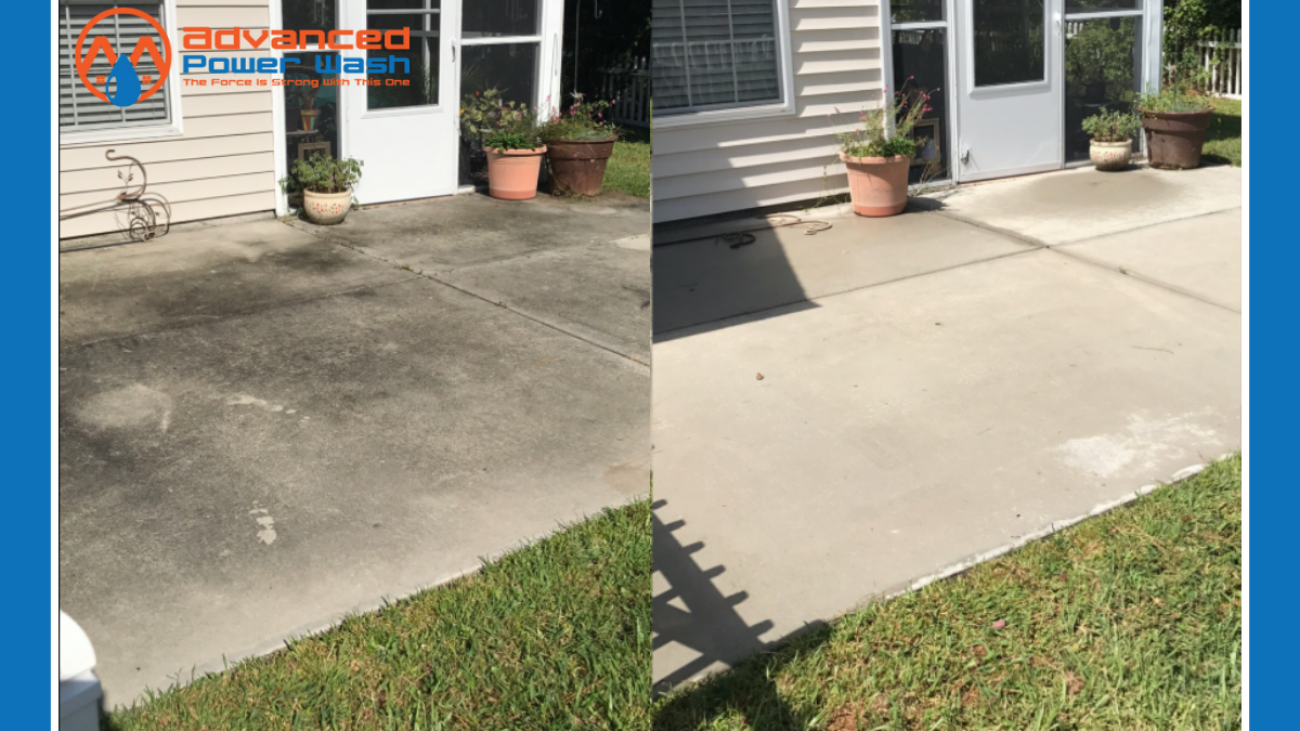
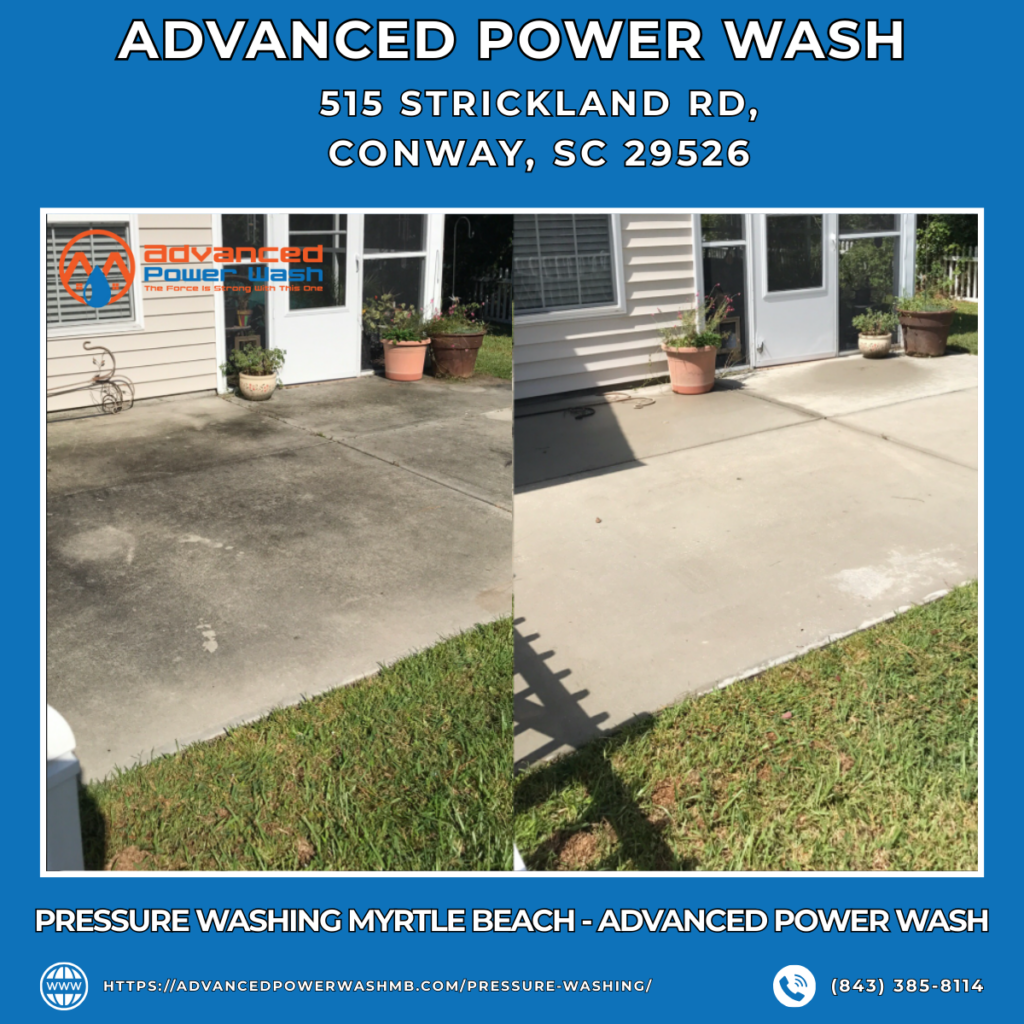
Driveway pressure cleaning is among our most requested services, transforming oil-stained, tire-marked concrete into pristine surfaces that enhance your property’s curb appeal. We understand that residential properties vary widely—from modest beach cottages to expansive waterfront estates—and we customize our approach to match each home’s specific needs, materials, and maintenance goals. Every residential project receives the same attention to detail, whether it’s a basic house wash or a comprehensive exterior restoration.
House Washing and Soft Washing
The difference between good and great house washing Myrtle Beach results often comes down to methodology. Our soft wash house cleaning technique represents the industry gold standard for vinyl siding, painted surfaces, stucco, and EIFS (Exterior Insulation Finishing Systems). Rather than relying solely on water pressure, which can drive moisture behind siding or damage delicate surfaces, soft washing uses carefully formulated cleaning solutions applied at low pressure.
These biodegradable detergents break down dirt, kill organic growth at the cellular level, and rinse away completely, leaving surfaces not just clean but sanitized. The cleaning agents continue working after application, providing residual protection against regrowth that extends the time between cleanings. For homes with architectural details, balconies, decorative trim, or delicate materials, soft washing delivers superior results without the risks associated with high-pressure methods that can strip paint, crack mortar, or force water into wall cavities.
Driveway, Sidewalk, and Concrete Cleaning
Concrete surfaces endure tremendous abuse from vehicles, foot traffic, organic growth, and weather exposure. Our driveway pressure washing service employs commercial-grade surface cleaners—rotating bar systems that deliver uniform cleaning across large areas while containing overspray and eliminating streaking. We address stubborn oil stains with heated water and specialized degreasers that penetrate deep into concrete pores, lifting contaminants that have been embedded for years.
Sidewalk cleaning Myrtle Beach properties require addresses both aesthetics and safety concerns. Algae-covered sidewalks create slip hazards, particularly in shaded areas or during morning hours when dew makes them treacherously slippery. Many homeowners associations have specific standards for concrete maintenance, and neglected walkways often result in violation notices. Our cleaning process not only removes visible staining but also eliminates the biological growth that causes discoloration and hazardous surfaces. Post-cleaning sealing options provide additional protection and make future maintenance significantly easier.
Roof Washing and Gutter Cleaning
Roof maintenance ranks among the most important yet frequently neglected aspects of home care. Our roof washing Myrtle Beach service specializes in gentle, effective cleaning methods that eliminate black streaks, moss, and lichen without damaging shingles. We use soft wash techniques specifically formulated for different roofing materials—asphalt shingles require different treatment than tile or metal roofs.
The black streaks that mar so many roofs aren’t just ugly; they’re Gloeocapsa magma bacteria feeding on the limestone in shingle composition. This biological attack reduces shingle lifespan, retains heat-absorbing moisture, and diminishes reflective properties that keep homes cooler. Professional cleaning kills these organisms and removes their staining without the aggressive pressure washing that can dislodge protective granules or void manufacturer warranties.
Gutter cleaning services complement roof washing by ensuring proper water management. Clogged gutters cause water to back up under shingles, overflow onto fascia boards, and cascade down siding, causing staining and potential structural damage. We remove all debris, flush downspouts, and clean the exterior gutters to eliminate those characteristic “tiger stripe” stains that detract from your home’s appearance.
Commercial Pressure Washing in Myrtle Beach
In the competitive Myrtle Beach business environment, your property’s appearance directly impacts customer perceptions and your bottom line. Professional commercial pressure washing Myrtle Beach services ensure that retail locations, hotels, restaurants, office buildings, and multi-tenant properties maintain the pristine appearance that attracts customers, tenants, and positive reviews.
Commercial properties experience accelerated soiling due to higher traffic volumes, extended operating hours, and greater exposure to vehicle exhaust, salt spray, and atmospheric pollutants. HOA pressure washing for condominium communities and planned developments requires coordination with property managers, sensitivity to resident schedules, and thorough work that satisfies demanding community standards. Storefront power washing revitalizes business facades, removes graffiti, and eliminates the weathered appearance that can make even well-maintained properties look neglected.
We understand that commercial cleaning can’t disrupt business operations, which is why we offer flexible scheduling including early morning, evening, and weekend appointments. Our commercial clients include shopping centers, hotels, restaurants, medical facilities, car dealerships, and property management companies who trust us to maintain their properties’ professional appearance year-round.
Restaurants, Hotels, and Vacation Rentals
The hospitality industry faces unique exterior maintenance challenges that demand specialized solutions. Restaurant pressure washing addresses grease buildup on dumpster pads, food stains on loading areas, gum on sidewalks, and the general grime that accumulates around busy food service operations. We use commercial-grade hot water systems and FDA-approved degreasers that meet health department standards while delivering the spotless results your establishment requires.
Hotel exterior cleaning encompasses everything from entrance canopies and valet areas to pool decks, parking garages, and guest walkways. In Myrtle Beach’s vacation rental market, property appearance directly correlates with booking rates and review scores. Our quick-turnaround cleaning services between guest stays ensure each new arrival sees a property that looks freshly maintained. We clean outdoor furniture, remove salt residue from railings and light fixtures, restore deck and balcony surfaces, and address the specific concerns that generate positive guest feedback and repeat bookings.
Storefronts, Parking Lots, and Walkways
High-traffic commercial areas require robust cleaning solutions that can handle heavy soiling while meeting environmental regulations. Our parking lot pressure washing service uses industrial equipment capable of cleaning large areas efficiently while reclaiming water and managing runoff according to stormwater management requirements. Clean parking lots enhance safety through improved line visibility, reduce slip-and-fall liability, and create positive first impressions for customers arriving at your business.
Storefront cleaning Myrtle Beach services focus on customer-facing areas where appearance matters most—building facades, entry areas, sidewalk dining spaces, window surrounds, and awnings. We remove bird droppings, spider webs, water stains, exhaust residue, and the general atmospheric pollution that dulls commercial buildings. Regular scheduled maintenance contracts provide consistent appearance while spreading costs predictably throughout the year, making budgeting easier and ensuring your property always looks its best regardless of season or weather conditions.
Our Pressure Washing Methods and Equipment
Professional results require professional tools and expertise. Our team utilizes both high-pressure and soft wash pressure washing methods, selecting the appropriate approach based on surface type, soiling level, and client objectives. High-pressure cleaning excels at concrete restoration, graffiti removal, and heavily soiled industrial surfaces where aggressive action is needed. Soft washing protects delicate materials like painted wood, vinyl siding, architectural details, and roof shingles from damage while delivering superior cleaning and longer-lasting results.
Our professional pressure washing equipment inventory includes hot and cold water pressure washers, commercial surface cleaners for uniform results on flat areas, telescoping wands for safe second-story access without ladders, and an extensive selection of specialized nozzles that adjust spray patterns for different applications. We invest in commercial-grade equipment that delivers consistent performance, reduces job time, and allows our technicians to work safely and efficiently. Safe pressure washing methods include protecting landscaping, testing cleaning solutions on inconspicuous areas first, and maintaining proper technique to prevent damage around windows, doors, and delicate architectural features.
Safe Cleaning for Every Surface
Material science matters in professional cleaning. Different surfaces require different approaches, and our experienced technicians understand how to adjust water pressure, temperature, and chemical formulations for optimal results on each material. Safe pressure washing begins with accurate surface identification and selection of appropriate cleaning protocols.
Wood deck cleaning Myrtle Beach requires gentle pressure settings, specialized wood brighteners that restore natural color, and attention to grain direction to prevent splintering or surface damage. Vinyl siding responds best to soft washing with detergents specifically formulated to break down organic growth without harming the material or fading colors. Stucco and EIFS demand low-pressure techniques to avoid forcing water behind the surface, which can cause catastrophic moisture problems. Concrete and pavers handle higher pressures but still require skilled technique to avoid etching, surface damage, or disturbing polymeric joint sand.
Our technicians receive comprehensive training in surface-specific cleaning methods, ongoing education about new techniques and products, and field experience that develops the judgment needed to deliver safe, effective results on every project. When you choose our Pressure Washing Myrtle Beach services, you’re getting true professionals who understand the science behind the cleaning.
Pricing, Estimates, and Service Packages
Transparent pricing builds trust, which is why we provide detailed estimates that clearly explain what’s included and how costs are calculated. Understanding pressure washing prices Myrtle Beach requires considering several variables: property size measured in square feet, the current condition and level of soiling, surface accessibility and any special access requirements, the specific surfaces being cleaned, and whether any special treatments or additional services are requested.
A straightforward house wash on a 1,500-square-foot ranch home costs considerably less than a comprehensive exterior package including house, driveway, walkways, deck, fence, and roof treatment on a 3,000-square-foot two-story property with extensive landscaping. Our free pressure washing estimate process includes an on-site evaluation where we assess your specific needs, identify any concerns or special requirements, take measurements, and provide a detailed written quote with absolutely no obligation.
We offer seasonal pressure washing packages designed to maintain your property year-round at discounted rates compared to individual service calls. Many homeowners choose our spring renewal package to remove winter grime followed by our fall preparation package that readies homes for holiday visitors. Commercial clients often prefer monthly or quarterly maintenance contracts that keep properties consistently pristine while providing budgeting predictability. Volume discounts are available for multi-unit properties, commercial complexes, and HOA community-wide services.
Whether you’re preparing to list your home for sale, maintaining a vacation rental between bookings, restoring curb appeal after storm damage, or ensuring your business projects professionalism, our Pressure Washing Myrtle Beach team delivers exceptional results at fair prices. Contact us today to schedule your free estimate and join the thousands of satisfied customers who trust us to protect and beautify their coastal properties.